 ✨ AI Generated
Shin-Yakushi-ji Temple
Japanese: 新薬師寺
Nara City, Nara
This information was written by AI and may contain mistakes. Please check official sources for opening hours, fees, and other details before you go.
Found a mistake? Let us know with “✏️ Something's wrong” on this spot's screen in asobot →
🎧 Audio guide(1:07)
In short
Shin-Yakushi-ji Temple is a temple of the Kegon sect founded in 747 by Empress Komyo to pray for the recovery of Emperor Shomu from illness. Housed in the main hall (Hondo), a structure from the Nara period, are the seated statue of the principal image, Yakushi Nyorai, and the surrounding standing statues of the Twelve Heavenly Generals (Juni Shinsho). The main hall and the principal image are National Treasures, and the standing statues of the Twelve Heavenly Generals are also National Treasures, except for one replacement made in the Showa period.
- Principal Image on a Circular Dais: In the center of the main hall stands a large circular dais on which a 1.91-meter-tall seated statue of Yakushi Nyorai sits.
- Standing Statues of the Twelve Heavenly Generals: Surrounding the principal image, twelve generals sculpted from clay stand facing outward. They are said to be the oldest and among the largest Twelve Heavenly General statues in Japan.
- Simple Main Hall of the Tenpyo Era: Featuring an irimoya-zukuri (hip-and-gable) style and a hongawarabuki (traditional tiled) roof, the main hall is regarded as an excellent example of simple, ancient Buddhist architecture.
History and Highlights
Shin-Yakushi-ji Temple was founded in March 747 (Tenpyo 19) by Empress Komyo. It was established to pray for the healing of Emperor Shomu's illness. At that time, it was also called Kozen-Yakushi-ji Temple or Koyaku-ji Temple.
At the time of its founding, the golden hall (Kondo) was a grand hall with nine bays across its front, enshrining seven statues of Yakushi Nyorai. However, the golden hall collapsed in a severe storm in 962. Excavations revealed that the site of the golden hall is located about 150 meters west and slightly south of the current main hall, within the grounds of Nara University of Education, and was an elongated building spanning approximately 60 meters east to west.
Later, a hall situated on elevated ground in the eastern part of the precincts eventually became the main hall. This main hall is a building from the Nara period and is a National Treasure. Built in the irimoya-zukuri style with a hongawarabuki roof, it is considered a fine example of a simple ancient Buddhist hall. In the Kamakura period, the South Gate (Nanmon), Jizo-do Hall, and Bell Tower (Shoro) were built, establishing the temple's current appearance centered on the main hall. The South Gate, Jizo-do, and Bell Tower are designated as national Important Cultural Properties.
Points for Appreciation and Experience
- Seated Statue of Yakushi Nyorai: In the center of the main hall is a large circular dais made of earth covered with plaster, upon which the principal image, the seated statue of Yakushi Nyorai, sits. Created between the late Nara period and the early Heian period, it measures 1.91 meters in height and features impressively large eyes. Six small seated statues of Yakushi Nyorai are attached to its halo, which together with the principal image represent the "Seven Buddhas of Medicine" (Shichibutsu Yakushi).
- Standing Statues of the Twelve Heavenly Generals: Surrounding the principal image, the Twelve Heavenly Generals stand facing outward. They are created using the sozo technique, in which earth and clay are shaped and molded. One statue is a replacement made in the Showa period, while the other 11 date from the Tenpyo era and are National Treasures. It is also said that they were originally moved here from Iwabuchi-dera Temple, which was at the foot of Mt. Takamado. General Bazara stands 162 cm tall and has black glass balls embedded in his eyes.
- Guardian Deities of the Zodiac: The Twelve Heavenly Generals are said to each command 7,000 soldiers. Later, they became associated with the twelve signs of the Chinese zodiac and worshipped as zodiac guardian deities. Try looking for the general associated with your birth year.
Tips for Exploring
The floor of the main hall is paved with tiles. Once inside, take your time walking around the circular dais to observe and compare the expressions of the 12 statues one by one.
Every year on January 8 and April 8, the Yakushi Keka service is held to praise the virtues of Yakushi Nyorai, repent sins, and pray for world peace. Within the grounds, there is also a monument inscribed with a poem by Aizu Yaichi.
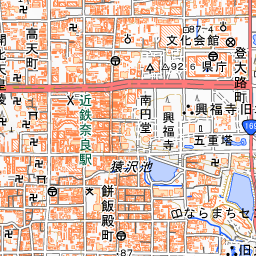
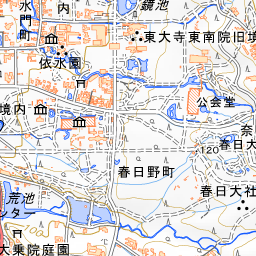
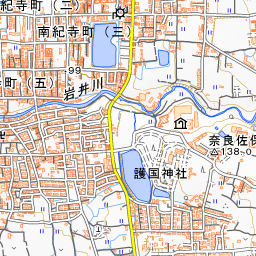
It is about a 10-minute walk after getting off the bus at Wariishicho. About 50 meters to the southwest is the Irie Taikichi Memorial Museum of Photography Nara City, and about 300 meters to the northwest is the Former Shiga Naoya Residence. Walking about 730 meters southeast brings you to Byakugo-ji Temple.

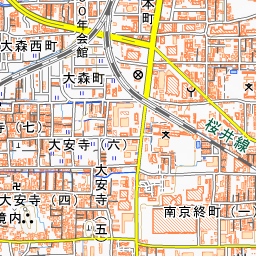
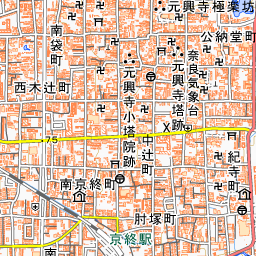
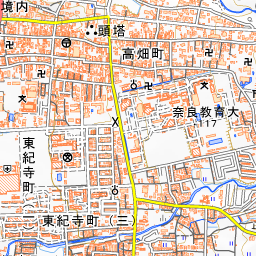
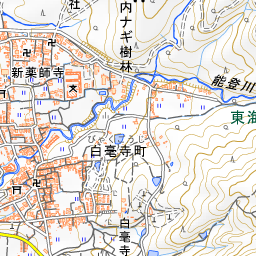
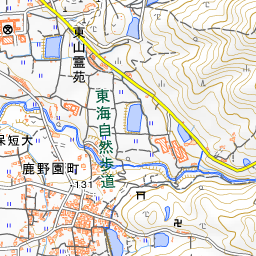
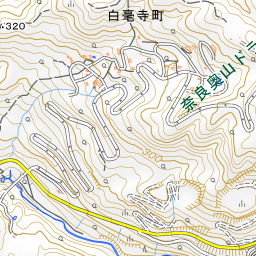
Spot location © OpenStreetMap contributors (ODbL)
Open in Google MapsGuides that include this spot (1)
Use asobot while you walk
- See where you are on the map and find spots nearby
- Listen to the guide's audio in course order, one after another (with subtitles)
- Walk to the next spot while following the map
Open on your phone
Scan to open this spot in asobot on your phone.