 ✨ AI Generated
Enjo-ji Temple
Japanese: 円成寺
Nara City, Nara
This information was written by AI and may contain mistakes. Please check official sources for opening hours, fees, and other details before you go.
Found a mistake? Let us know with “✏️ Something's wrong” on this spot's screen in asobot →
🎧 Audio guide(1:11)
In short
Enjo-ji Temple is a temple of the Shingon Sect Omuro Branch located roughly midway along the Yagyu Kaido trail. It is known for its National Treasure seated statue of Dainichi Nyorai, recognized as the earliest surviving work by Unkei, as well as the National Treasure Kasuga-do and Hakusan-do Shrines, which are considered the oldest surviving examples of Kasuga-zukuri shrine architecture. Below the main hall and the two-story gate, a Pure Land style garden designated as a Place of Scenic Beauty stretches out.
- Dainichi Nyorai Seated Statue by Unkei: Created under the guidance of his father, Kokei, over approximately 11 months, and dedicated in 1176.
- Kasuga-do and Hakusan-do: Two small tutelary shrines standing side by side to the east of the main hall, dating back to the early Kamakura period.
- Pure Land Style Garden: A garden centered on a pond, where in autumn the trees surrounding the pond turn vibrant colors and reflect on the water's surface.
History and Highlights
Enjo-ji Temple is a temple of the Shingon Sect Omuro Branch located in Ninnikusen-cho, Nara City. Its mountain name is Ninnikusen, and its principal image is Amida Nyorai.
According to temple tradition, it is said to have been founded in 756 by Ganjin's disciple Koro under the imperial decree of Emperor Shomu. However, there are no relics or archaeological remains from the Nara period within the grounds. Historically, it is believed to have begun in 1026 when Myozen enshrined the Eleven-Headed Kannon. Later, Kanpen from Ninna-ji Temple in Kyoto founded the Ninnikusen school, a branch of Shingon Esoteric Buddhism, and the temple flourished.
In 1466, buildings such as the main hall and pagoda were destroyed by fire, but the principal image was carried out to safety. Reconstruction began promptly; in 1467, the principal image was welcomed into the new main hall, and the two-story gate was later completed. The tutelary Kasuga-do and Hakusan-do shrines are believed to have escaped this fire.
Appreciation and Experience Highlights
- Seated Statue of Dainichi Nyorai: A National Treasure known as the earliest surviving work by Unkei. An ink inscription on the pedestal indicates that it was created under the guidance of his father, Kokei, over approximately 11 months, and dedicated in 1176. Carved from Japanese cypress using the yosegi-zukuri (joined-wood technique), it features gyokugan (crystal eyes) and forms the chiken-in (wisdom fist mudra). Originally the principal image of the Tahoto pagoda, it was relocated to the Soo-den hall, allowing visitors to view it at close range.
- Kasuga-do and Hakusan-do: Two small tutelary shrines standing side by side to the east of the main hall, both designated as National Treasures. Dating from the early Kamakura period, they are regarded as the oldest surviving examples of Kasuga-zukuri shrine architecture. It is said that in 1228, during the rebuilding of Kasuga Shrine, older shrine halls were transferred here to serve as tutelary shrines.
- Main Hall and Seated Statue of Amida Nyorai: The main hall, rebuilt in the Muromachi period, is an Important Cultural Property. The principal image, a seated statue of Amida Nyorai, is also an Important Cultural Property, displaying an elegant form that reflects the Jocho Style of the late Heian period. The four pillars of the main hall are decorated with richly colored paintings depicting the Raigo (welcoming descent) of the Twenty-Five Bodhisattvas playing musical instruments and dancing.
Visiting Tips
Take a bus from JR or Kintetsu Nara Station, get off at "Ninnikusen," and walk for 2 minutes. Since buses run infrequently, check the return schedule beforehand.
First, view the elevated two-story gate and main hall from the edge of the pond. The garden, designated as a Place of Scenic Beauty, is said to have been constructed at the end of the Heian period and combines the Pure Land style with the shuyu-shiki (boating style). As a temple garden, it is a rare surviving example in Japan. In autumn, the trees around the pond change color and reflect on the water's surface. In the height of summer, bellflowers bloom in front of the main hall.
From Nara Park, the Yagyu Kaido hiking trail is well developed. Enjo-ji Temple sits roughly midway along this route. Yagyu-no-Sato is approximately 5.4 kilometers to the northeast.
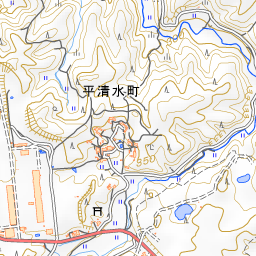

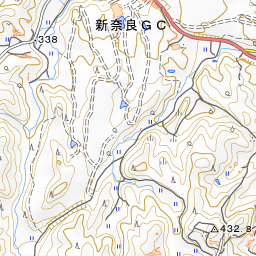
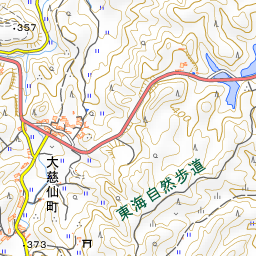
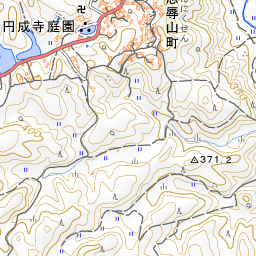
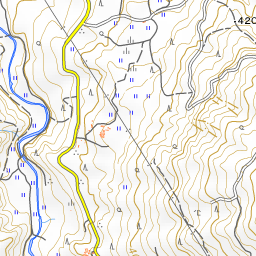
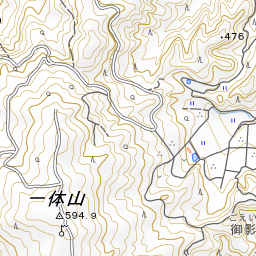
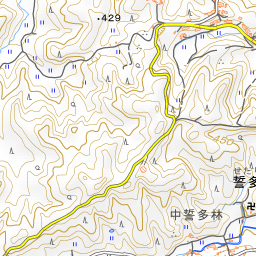
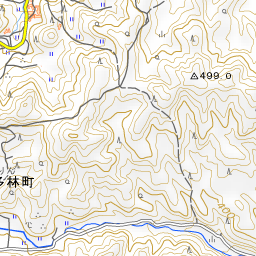
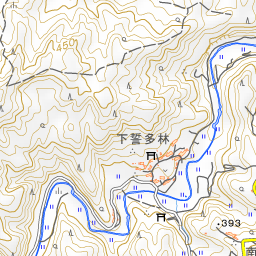
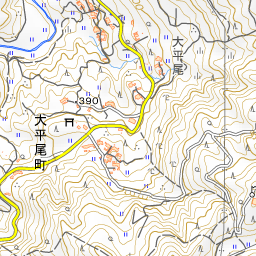
Spot location © OpenStreetMap contributors (ODbL)
Open in Google MapsGuides that include this spot (1)
Use asobot while you walk
- See where you are on the map and find spots nearby
- Listen to the guide's audio in course order, one after another (with subtitles)
- Walk to the next spot while following the map
Open on your phone
Scan to open this spot in asobot on your phone.