 ✨ AI Generated
Kosho-ji Temple
Japanese: 興聖寺
Uji, Kyoto
This information was written by AI and may contain mistakes. Please check official sources for opening hours, fees, and other details before you go.
Found a mistake? Let us know with “✏️ Something's wrong” on this spot's screen in asobot →
🎧 Audio guide(1:07)
In short
Kosho-ji Temple is a Soto Zen temple in Uji with the mountain name Mt. Buttoku. It began in 1233, when Zen Master Dogen founded it in Fukakusa, Fushimi, and the temple considers itself the oldest Soto Zen training monastery. In 1648, Nagai Naomasa, lord of Yodo Castle, revived it on the site of the Asahi tea garden in Uji.
- Kotozaka and the Ryugu-zukuri Sanmon gate: This approach was named because the murmuring of the water flowing on both sides sounded like the notes of a koto harp, and it is one of the Twelve Scenic Views of Uji. At the top of the slope stands a Sanmon gate in the Ryugu-zukuri style, built in 1844. In autumn, the maples on both sides turn red and form a tunnel
- Tenarai Kannon: A wooden standing statue of Sho Kannon from the mid-Heian period, enshrined in the Shidoden hall. Its right big toe is slightly lifted, expressing the intention to rush at once to relieve people's suffering
- The Hatto's nightingale floor and blood ceiling: The Hatto, said to have been built using remnants of Fushimi Castle, has a nightingale floor hallway that creaks when you walk on it, and a blood ceiling on which parts of handprints and footprints remain
History and Highlights
Kosho-ji Temple is a Soto Zen temple with the mountain name Mt. Buttoku. It began in 1233 when Zen Master Dogen, who had returned from China, founded it in Fukakusa, Fushimi. The temple considers itself the oldest Soto Zen training monastery.
After Zen Master Dogen moved to Echizen, Kosho-ji Temple declined due to the Onin War and fires of warfare. In 1633, Nagai Naomasa, who took over as lord of Yodo Castle, lamented its abandonment. In 1648, he invited Zen Master Bannan Eiju as the restorative founder to revive Kosho-ji Temple on the site of the Asahi tea garden in Uji. Naomasa, who was also a tea master, is said to have built at least three teahouses during his time.
Walking along the Uji River, a large stone pillar engraved with "First Training Monastery Founded by Soto Zen Patriarch Master Dogen" appears. Passing through the stone main gate, the approach known as "Kotozaka" stretches straight ahead. It was named because the murmuring of the streams flowing on both sides of the slope sounded like the notes of a koto harp, and it is counted as one of the Twelve Scenic Views of Uji. At the top of the slope stands a Sanmon gate built in 1844 in the Ryugu-zukuri (dragon palace) architectural style, which is a designated Tangible Cultural Property of Uji City.
Highlights and Experiences
- The Hatto's Nightingale Floor and Blood Ceiling: The Hatto (Dharma Hall), the main building of the temple, is said to have been built using remnants of Fushimi Castle. Notable highlights include the "nightingale floor" hallway that creaks when walked upon, and the "blood ceiling" on which traces of handprints and footprints remain.
- Tenarai Kannon: The wooden standing statue of Sho Kannon from the mid-Heian period enshrined in the Shidoden hall is affectionately known as "Tenarai Kannon," as it is said to have once been enshrined at the historic site of "Tenarai" in the Uji Chapters of The Tale of Genji. The statue's right big toe is slightly lifted, expressing the intention to rush immediately to relieve the suffering of the people.
- The Evening Bell of Kosho and Chasen-zuka: The inscription on the bell in the bell tower was authored by Hayashi Razan, a Confucian scholar of the early Edo period, and is counted as one of the Twelve Scenic Views of Uji as "The Evening Bell of Kosho." At the top of Kotozaka on the left stands the "Chasen-zuka" (Tea Whisk Mound), where a memorial service for tea whisks gathered from across the country is held every October during the Tea Festival.
Tips for Visiting
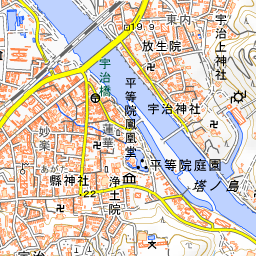
It is about a 15-minute walk from Uji Station on the Keihan Uji Line, and about a 25-minute walk from Uji Station on the JR Nara Line. The Kame-ishi (Turtle Rock) seen in the river in front of the stone gate is said to have once been part of Naomasa's teahouse garden, and the name of one of his teahouses, "Kanryu-tei," remains in the nearby Kanryu-bashi Bridge. Kotozaka is famous for autumn foliage, and in autumn, the maples on both sides of the gentle slope turn red, forming a tunnel. Consider visiting together with Ujigami-jinja Shrine, Uji-jinja Shrine, and Eshin-in Temple.
Use asobot while you walk
- See where you are on the map and find spots nearby
- Listen to the guide's audio in course order, one after another (with subtitles)
- Walk to the next spot while following the map
Open on your phone
Scan to open this spot in asobot on your phone.