 ✨ AI Generated
Hase-dera Temple
Japanese: 長谷寺
Sakurai, Nara
This information was written by AI and may contain mistakes. Please check official sources for opening hours, fees, and other details before you go.
Found a mistake? Let us know with “✏️ Something's wrong” on this spot's screen in asobot →
🎧 Audio guide(1:06)
In short
Hase-dera Temple is the head temple of the Buzan sect of Shingon Buddhism, located in Hase, Sakurai City. It is the eighth temple along the Saigoku 33 Kannon Pilgrimage, and because it is adorned with seasonal blossoms throughout the year, it is known as the "Temple of Flowers." Inside the National Treasure Main Hall, which extends out over the mountainside, stands an Eleven-headed Kannon Bodhisattva exceeding 10 meters in height. The current Main Hall was built in 1650 (Keian 3) by order of Tokugawa Iemitsu.
- Large Wooden Kannon: The principal image stands 1,018 cm tall, making it one of the largest wooden Kannon statues in Japan.
- 399-Step Noboriro: A covered stone stairway known as the Noboriro, with 399 steps, continues from the Niomon Gate up to the Main Hall.
- Temple of Flowers: In spring, 7,000 peonies across 150 varieties bloom, and the cherry blossoms have long been considered a famous site on par with Yoshino.
History and Highlights
The official name of Hase-dera Temple is Buzan Kagura-in Hase-dera, and its mountain name (sango) is Mt. Buzan. This region was celebrated in the Man'yoshu poetry anthology as "secluded Hatsuse" (komoriku no Hatsuse), and the temple was historically also referred to as Hatsuse-dera.
According to the temple's account of its origins, in 686 (Shucho 1), Priest Domyo enshrined the Bronze Plaque of the Lotus Sutra Transformation Tableau (Doban Hokke Sessozu) belonging to Emperor Tenmu on the western hill. Later in 727 (Jinki 4), Priest Tokudo created the Eleven-headed Kannon Bodhisattva on the eastern hill under the imperial decree of Emperor Shomu. Priest Tokudo is said to be the person who founded the Saigoku 33 Kannon Pilgrimage, and Hase-dera Temple has been called the fundamental sacred site of the 33 temples. Today, it serves as the head temple of the Buzan sect of Shingon Buddhism and is the eighth temple of the Saigoku 33 Kannon Pilgrimage.
The principal image, the standing statue of the Eleven-headed Kannon Bodhisattva, has been rebuilt several times after repeated fires. The present statue was sculpted in 1538 (Tenbun 7) and measures 1,018 cm in height, ranking among the largest wooden Kannon statues in Japan. Holding a monk's staff (shakujo) in the right hand and a water vase in the left while standing upon a square base of great rock (daibanjaku), this iconography is called the "Hase-dera style."
The Main Hall housing the principal image is a grand structure built in the kakezukuri (overhang) style protruding from the slopes of Mount Kohase, and is designated as a National Treasure. The present Main Hall was built in 1650 (Keian 3) by order of Tokugawa Iemitsu. The 399-step Noboriro extends from the Niomon Gate to the Main Hall. It began in 1039 (Choryaku 3), when Nakatomi no Nobukiyo, a priest of Kasuga-taisha Shrine, built it in gratitude for the recovery of his child from illness. The five-story pagoda within the grounds was erected in 1954 (Showa 29), making it the first five-story pagoda built in Japan after World War II.
Viewing and Experience Points
- Ascending the Noboriro: The Noboriro is divided into three sections: upper, middle, and lower corridors. Hase-style hanging lanterns are suspended along the lower and middle sections.
- The Main Hall Stage: From the open-air stage of the Main Hall, visitors can take in a panoramic view of the temple grounds that make beautiful use of the natural undulating terrain.
- Touching Kannon's Feet: During designated periods in spring and autumn, visitors can enter the chamber where the Kannon statue stands and touch its feet. Because many worshippers have touched them over the years, the gold leaf on that particular section has worn away.
Walking Tips
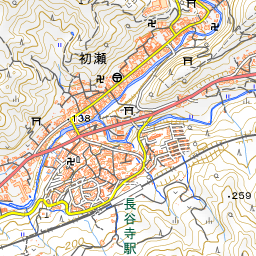
The temple is about a 15-minute walk from Hase-dera Station on the Kintetsu Osaka Line. From Sakurai Station, served by both Kintetsu and JR, it is about a 10-minute walk after getting off at the "Hase-dera Sandoguchi" stop on the Nara Kotsu bus. At the Niomon Gate at the entrance of the Noboriro, look up to see the tablet reading "Hase-dera." The calligraphy was brushed by Emperor Go-Yozei. The Motohase-dera Temple located on the grounds gets its name because Priest Domyo built a monastery there following the imperial vow of Emperor Tenmu. In spring, 7,000 peonies of 150 varieties burst into bloom. There is a temple legend that the seeds of these peonies were among the treasures sent by Lady Mezu, the consort of a Tang emperor. The cherry blossoms have long been regarded as a famous destination rivaling Yoshino. In autumn, the Yashiho Hill, considered a famous autumn foliage spot since the Man'yo era, also turns vibrant with colors.
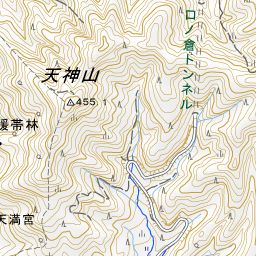
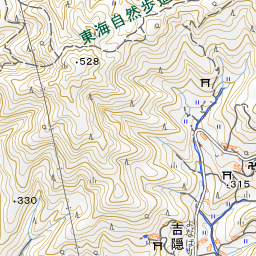
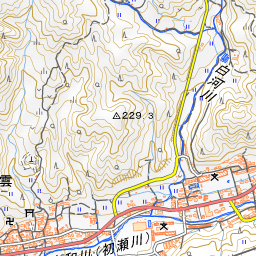
Spot location © OpenStreetMap contributors (ODbL)
Open in Google MapsGuides that include this spot (1)
Use asobot while you walk
- See where you are on the map and find spots nearby
- Listen to the guide's audio in course order, one after another (with subtitles)
- Walk to the next spot while following the map
Open on your phone
Scan to open this spot in asobot on your phone.