 ✨ AI Generated
Ano
Japanese: 賀名生
Gojo, Nara
This information was written by AI and may contain mistakes. Please check official sources for opening hours, fees, and other details before you go.
Found a mistake? Let us know with “✏️ Something's wrong” on this spot's screen in asobot →
🎧 Audio guide(1:09)
In short
Ano is a valley along the lower reaches of the Niu River in Gojo City, where a temporary palace of the Southern Court was established during the Nanboku-cho period (Period of Northern and Southern Courts). The Hori Residence (Site of the Ano Imperial Palace) is said to have served as the imperial palace for three emperors: Go-Murakami, Chokei, and Go-Kameyama. Nearby, the Ano Plum Grove stretches across the area with 20,000 plum trees. A tale related to the wishes of the Southern Court is handed down regarding the origin of the place name.
- Hori Residence: Its thatched main building and imposing kabuki-mon gate are Important Cultural Properties, and a framed plaque reading "Ano Imperial Palace" hangs on the gate.
- Origin of the Place Name: It is said that the name changed from "Anafu" to "Kanafu", and was later rewritten with the characters now used for Ano.
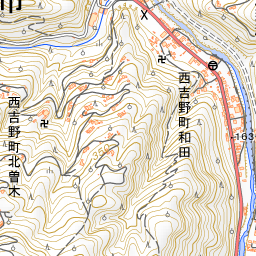
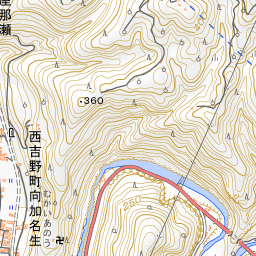
- Ano Plum Grove: Plum trees stretch across the Kitasogi hills, covering them from the foot to midway up the slopes.
History and Highlights
Ano is a valley along the lower reaches of the Niu River. It is known as the location where a temporary palace of the Southern Court was established during the Nanboku-cho period.
At the end of the first year of Engen (1336), Emperor Go-Daigo, having been driven out of Kyoto by Ashikaga Takauji, stopped here on his way to Yoshino. The local samurai Hori Magotaro Nobumasu offered him hospitality. In 1348, after the temporary palace in Yoshino was attacked by the army of Ko no Moronao, Emperor Go-Murakami fled to Ano and designated it as his temporary palace. In 1352, unable to enter Kyoto, he returned here bringing with him captured retired emperors of the Northern Court.
It is passed down that the residence of Hori Magotaro Nobumasu subsequently became the imperial palace for Emperors Go-Murakami, Chokei, and Go-Kameyama. However, there are differing theories regarding the exact location of the temporary palace, and it has not been definitively confirmed. In 1392, Emperor Go-Kameyama returned to Kyoto, and the Northern and Southern Courts were reunified.
A story from this era also remains connected to the place name. The area was originally called "Anafu," but Emperor Go-Murakami renamed it "Kanafu" with characters conveying his hopes. When the Ashikaga clan submitted to the Southern Court in 1351, the name was changed once more out of joy that the wish had been fulfilled. These are the characters still used for Ano today. They were read "Kanau," but during the Meiji period the pronunciation was restored to "Ano," close to the original sound.
Points for Appreciation and Experience
- Plaque of the Ano Imperial Palace: An imposing kabuki-mon gate stands in front of the thatched-roof residence. On the gate hangs a framed plaque inscribed with "Ano Imperial Palace," written by Yoshimura Torataro of the Tenchugumi.
- Heirlooms of the Hori Family: Passed down in the Hori family are an imperially bestowed Hinomaru (sun-disc) flag, a hitoyogiribue (single-node bamboo flute), and an ekirei (station bell). At the adjacent History and Folklore Museum, visitors can learn about the history and daily life of Nishiyoshino.
- Ano Plum Grove: Twenty thousand plum trees extend across the Kitasogi hills, seeming to cover them from the base to midway up the slope. The blossoming season is from late February to late March.
Walking Tips
From JR Gojo Station, it takes about 19 minutes by Nara Kotsu bus, followed by about a 1-minute walk after getting off at "Anowada-kitaguchi." The Hori Residence is a structure still owned by descendants and has been operating as an accommodation facility and restaurant since 2019. It is recommended to view the plaque on the gate first before taking in the thatched main house.
On a small hill overlooking the site of the imperial palace lies the grave of Kitabatake Chikafusa, who was active as a central figure of the Southern Court. He passed away in 1354. Gojo Shinmachi is about 6.1 km to the north-northwest in a straight line.




Use asobot while you walk
- See where you are on the map and find spots nearby
- Listen to the guide's audio in course order, one after another (with subtitles)
- Walk to the next spot while following the map
Open on your phone
Scan to open this spot in asobot on your phone.