 ✨ AI Generated
Nigatsu-do Hall
Japanese: 二月堂
Nara City, Nara
This information was written by AI and may contain mistakes. Please check official sources for opening hours, fees, and other details before you go.
Found a mistake? Let us know with “✏️ Something's wrong” on this spot's screen in asobot →
🎧 Audio guide(1:01)
In short
Nigatsu-do Hall is a National Treasure hall facing west on a sloped cliff to the east of the Great Buddha Hall at Todai-ji Temple. The hall is known for "Omizutori" (Shuni-e), which announces the arrival of spring in Nara, and the current building was rebuilt in the 9th year of Kanbun (1669).
- View from the Stage: When you step onto the stage, you can look out over the large roof of the Great Buddha Hall and the Nara Basin directly in front of you.
- Shuni-e (Omizutori): A Buddhist ceremony that began in the 4th year of Tenpyo-shoho (752) and has been passed down without ever being interrupted. Currently, the main rites are observed from March 1 to 14.
- Robensugi (Roben's Cedar): A Japanese cedar in front of the hall, with a legend that the young Roben was carried off by an eagle and left behind in the tree.
History and Highlights
The name Nigatsu-do originates from the fact that Shuni-e was held in the second month of the lunar calendar. It is said to have been founded by Jitchu, a senior disciple of High Priest Roben (Roben Sojo). Although the hall escaped fire disasters in the 4th year of Jisho (1180) and the 10th year of Eiroku (1567), it was destroyed by a fire that broke out in the inner sanctuary (naijin) during the Shuni-e rituals in the second month of the 7th year of Kanbun (1667). The current building was rebuilt in the 9th year of Kanbun (1669) and was designated a National Treasure in the 17th year of Heisei (2005).
Facing west on a sloped cliff to the east of the Great Buddha Hall, its open front and the worship hall (raido) are built in the kake-zukuri (overhang) style. It is a large structure measuring seven bays (ken) across the front and ten bays deep.
The official name of Shuni-e is "Juichimen Keka Hoyo." Daily transgressions are repented before the principal image, the Eleven-faced Kannon (Juichimen Kanzeon Bosatsu). Jitchu began it in the 4th year of Tenpyo-shoho (752), reaching its 1,275th time in the 8th year of Reiwa (2026). Even when Todai-ji Temple lost most of its large temple complex twice, it was passed down without ever being interrupted as an "unfaltering practice" (futai no gyoho). The whole of Todai-ji Temple is introduced in the spot "Todai-ji Temple."
Points for Appreciation and Experience
- View from the Stage: When you step onto the stage, you can look out over the large roof of the Great Buddha Hall and the Nara Basin directly in front of you. It is a view where you can see from downtown Nara to Mount Ikoma. At night, amid the glow of toro lanterns and hanging paper lanterns, you can enjoy a night view overlooking the urban area of Nara.
- Otaimatsu Torches and Omizutori: Omizutori is an event that heralds spring in Nara. The main rites run from March 1 to 14. Large pine torches are lit every night to guide the monks performing their ascetic practices. Acolytes carrying large torches as long as 6 meters run around the stage, scattering sparks over the heads of worshippers. Late at night on the 12th (around 1:30 a.m. on the 13th), "Omizutori" is performed, drawing fragrant water (okozui) from a well called Wakasai.
- Robensugi and the Origin of Omizutori: At the Robensugi cedar in front of the hall, a legend remains that Roben, the first head priest (betto) of Todai-ji Temple, was snatched by an eagle when he was young and left in the tree. Regarding the origin of Omizutori, it is told that the deity Oniu Myojin of Wakasa, who arrived late because he was catching fish, caused pure water to gush forth beside the hall and offered it to Kannon.
Walking Tips
After enjoying the view from the stage, try walking down the stone stairs. The Omizutori procession goes down the stone stairs, offers prayers at the Kojo-jinja Shrine along the way, and reaches the Akaiya. The well is inside this building, and only those with assigned duties may enter. Continuing further down leads to the Ura-sando (rear approach). It is a quiet path flanked by earthen walls, and following it brings you to the back of the Great Buddha Hall and toward Shosoin. Please refrain from photography inside the hall and from using tripods around the main hall, including on the stage. Please also refrain from pointing cameras at worshippers performing ohyakudo (a devotion of walking back and forth a hundred times).

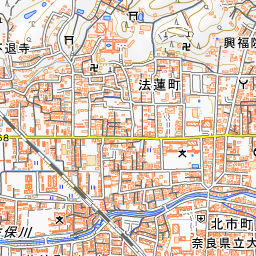
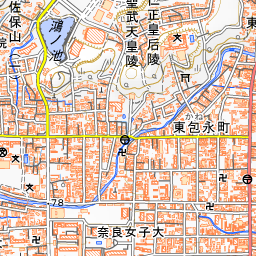
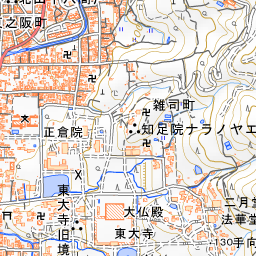
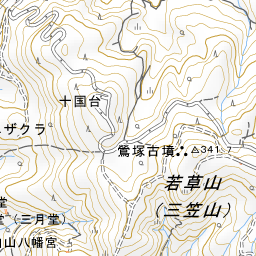
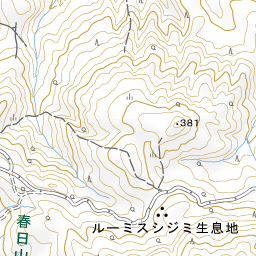

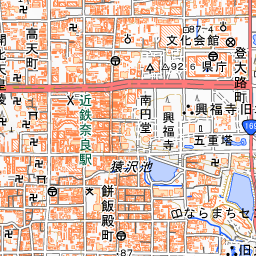
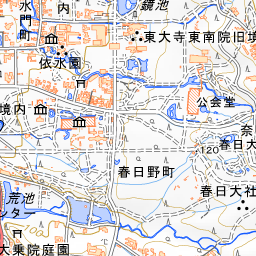
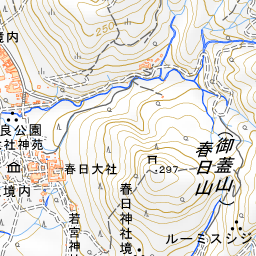
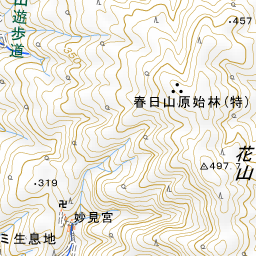
Spot location © OpenStreetMap contributors (ODbL)
Open in Google MapsGuides that include this spot (2)
Use asobot while you walk
- See where you are on the map and find spots nearby
- Listen to the guide's audio in course order, one after another (with subtitles)
- Walk to the next spot while following the map
Open on your phone
Scan to open this spot in asobot on your phone.