 ✨ AI Generated
Reputed Tomb of Wani
Japanese: 史跡 伝王仁墓
Hirakata, Osaka
This information was written by AI and may contain mistakes. Please check official sources for opening hours, fees, and other details before you go.
Found a mistake? Let us know with “✏️ Something's wrong” on this spot's screen in asobot →
🎧 Audio guide(1:12)
In short
A place said to be the tomb of Scholar Wani (Wani Hakase), who is believed to have crossed from Baekje on the Korean Peninsula to Japan during the Kofun period and introduced Chinese characters and Confucianism; it is a historic site of Osaka Prefecture. In 1731 (Kyoho 16), the Kyoto Confucian scholar Namikawa Seisho advised that a natural stone once called the "Oni Grave" be revered as Wani's tomb, and a stone monument reading "Tomb of Scholar Wani" was erected. In 1938 (Showa 13), it was designated a prefectural historic site.
- Natural Stone and Stone Monuments: Behind the natural stone regarded as the grave stands a tombstone. What remains today is a commemorative monument inscribed "Tomb of Scholar Wani" erected in 1827 (Bunsei 10)
- Kudaramon Gate: A tile-roofed gate built by volunteers from both Japan and South Korea as a center of Japan-Korea exchange
- Rose of Sharon (Mugunghwa): In front of the tomb, the Rose of Sharon, the national flower of South Korea, is planted
History and Highlights
The Reputed Tomb of Wani is a designated historic site of Osaka Prefecture, said to be the burial site of Scholar Wani (Wani Hakase), who is believed to have crossed from Baekje on the Korean Peninsula to Japan during the Kofun period and introduced Chinese characters (kanji) and Confucianism. According to the Kojiki (Records of Ancient Matters), Wanikishi, or Scholar Wani, arrived from Baekje during the reign of Emperor Ojin, around the late 4th to early 5th century, bringing with him ten volumes of the Analects of Confucius and one volume of the Thousand Character Classic (Senjimon).
In this area, there was once a natural stone called the "Oni Grave," which was believed to have miraculous healing powers for toothaches and ague (malarial fevers). In 1616, Doshun, a monk of a temple in Kinya Village, claiming to be a descendant of Wani, authored the Wani Funbyo Raichoki and recorded that "Oni Grave" was a corruption of "Wani Grave." In 1731, Kyoto Confucian scholar Namikawa Seisho, based on Doshun's writings, advised the local feudal lord to revere this stone as Wani's tomb, leading to the erection of a stone monument reading "Tomb of Scholar Wani." In this way, the Oni Grave was transformed into the Tomb of Wani.
In the Meiji period, Wani was honored as an ancestral figure of culture and education who came to Japan and served the emperor, leading to efforts to renovate and expand the tomb grounds and attempts to establish a shrine. In 1938, it was designated a prefectural historic site, and today it is visited by many people as a center for Japan-Korea cultural exchange.
Viewing and Experience Highlights
- Natural Stone and Stone Monuments: Behind the natural stone regarded as the grave stands a tombstone. What remains today is a commemorative monument inscribed "Tomb of Scholar Wani" erected in 1827.
- Kudaramon Gate: This tile-roofed gate was built by volunteers from both Japan and South Korea as a symbol of cultural exchange between the two nations. It was donated by the Korea-Japan Cultural Friendship Association and the Japan-Korea Cultural Friendship Association.
- Rose of Sharon (Mugunghwa): In front of the tomb, the Rose of Sharon, the national flower of South Korea, is planted.
Walking Tips
It is about a 15-minute walk southeast from Nagao Station on the JR Gakkentoshi Line. Wani Park, located about 500 meters to the southwest, is a general park named after this tomb, but please note that it is in a different location from the Reputed Tomb of Wani. In the same city of Hirakata lies the Kudara-dera Temple Site, a Special Historic Site considered to be the remains of the clan temple built by the Kudara no Konikishi clan during the Nara period, allowing you to retrace the history of early immigrants together.


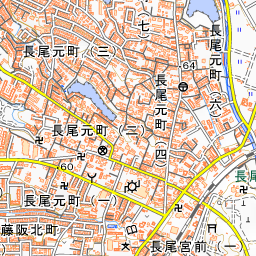


Spot location © OpenStreetMap contributors (ODbL)
Open in Google MapsUse asobot while you walk
- See where you are on the map and find spots nearby
- Listen to the guide's audio in course order, one after another (with subtitles)
- Walk to the next spot while following the map
Open on your phone
Scan to open this spot in asobot on your phone.