 ✨ AI Generated
Tomonoura
Japanese: 鞆の浦
Fukuyama, Hiroshima
This information was written by AI and may contain mistakes. Please check official sources for opening hours, fees, and other details before you go.
Found a mistake? Let us know with “✏️ Something's wrong” on this spot's screen in asobot →
🎧 Audio guide(1:04)
In short
Tomonoura is a port town at the southern tip of the Numakuma Peninsula that flourished from ancient times as a "port for awaiting favorable tides" (shiomachi-no-minato), where ships waited for the tidal currents to change. Around the harbor, merchant townhouses from the Edo period remain together with temples, shrines, stone walls, and port facilities, and in 2017 the area was selected as a national Important Preservation District for Groups of Traditional Buildings. In 2018, it was also certified as Japan Heritage.
- Touring the Port Facilities: Tomonoura is said to be the only place left in Japan where all five facilities indispensable to early modern ports still exist together: the Joyato Stone Lantern, the gangi, the hato (stone pier), the former site of a tadeba, and the former site of a funabansho
- Sakamoto Ryoma and the Iroha Maru Incident: In 1867, the Kaientai's ship Iroha Maru collided with a Kishu Domain ship and sank, and Ryoma and his comrades negotiated with the Kishu Domain in Tomo. An Edo-period earthen storehouse near the Joyato Stone Lantern is now used as an exhibition museum for the Iroha Maru
- The View Praised by Korean Envoys: During the Edo period, the Joseon missions stayed at Fukuzen-ji Temple's Taichoro Hall and praised the view of the islands from there as "Nitto Daiichi Keisho," the most beautiful scenery in Japan
History and Highlights
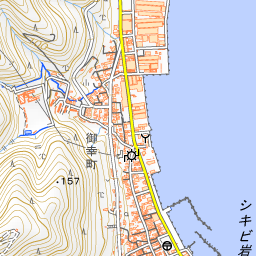
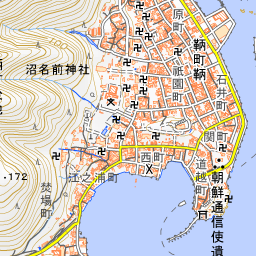
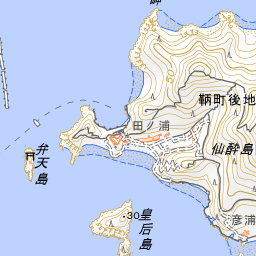
Tomonoura is a port town located at the southern tip of the Numakuma Peninsula. Situated nearly in the center of the Seto Inland Sea, it is where tides flowing from the east and west meet and then recede. Because of this, it flourished from ancient times as a "port for awaiting favorable tides" (shiomachi-no-minato), where ships waited for the tidal currents to change. In Japan's oldest poetry anthology, the Man'yoshu, there are eight poems composed about Tomonoura, showing that it was already used as a port during the Man'yo period.
In the port, Edo-period harbor facilities still remain today, including the Joyato Stone Lantern, gangi (stepped stone wharves), hato (stone piers), the former site of a tadeba (ship hull repair and care area), and the former site of a funabansho (port guardhouse). It is said that Tomonoura is the only place left in Japan where all five of these facilities, indispensable to early modern ports, still exist together. Surrounding the harbor, merchant townhouses dating back to the Edo period remain intact alongside temples, shrines, stone walls, and port structures. In 2017, the area was selected as a national Important Preservation District for Groups of Traditional Buildings. In 2018, it was also certified as a Japan Heritage story under the title "Japan's Foremost Early Modern Port Town Embraced by the Evening Calm of Seto."
Viewing and Experience Highlights
- Touring the Port Facilities: The port's symbol, the Joyato Stone Lantern, is among the largest remaining harbor stone lanterns from the Edo period in Japan. Stretching out at its base is the gangi, a stepped stone landing area with a total length of approximately 150 meters. The Joyato Stone Lantern, gangi, and pier are introduced in detail in the entry for "Joyato Stone Lantern."
- Sakamoto Ryoma and the Iroha Maru Incident: In 1867, the Iroha Maru, a ship operated by Sakamoto Ryoma and the Kaientai, collided with the Kishu Domain's ship Meiko Maru and sank. Ryoma and his comrades held negotiations with the Kishu Domain in Tomo, ultimately securing a large compensation settlement. An Edo-period earthen storehouse near the Joyato Stone Lantern is now used as an exhibition museum for the Iroha Maru.
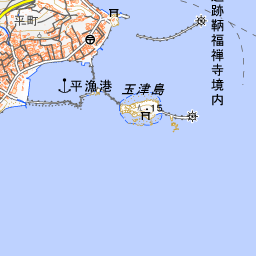
- The View Praised by Korean Envoys: During the Edo period, members of the Joseon missions (Korean Envoys) stayed at Fukuzen-ji Temple's Taichoro Hall, where they praised the view of the islands as "Nitto Daiichi Keisho" (the most beautiful scenery in Japan). Islands such as Sensuijima Island and Bentenjima Island are designated as a national Place of Scenic Beauty under the name "Tomo Park," and the entire area is part of Setonaikai National Park. Taichoro Hall and Sensuijima Island are introduced under "Fukuzen-ji Temple" and "Sensuijima Island."
Walking Tips
The townscape is filled with grand merchant residences and cozy townhouses, featuring whitewashed storehouses, namako (latticed plaster) walls, and mazelike narrow alleys. Exploring on foot is highly recommended. The Ota Family Residence (a former brewery of Tomo's specialty liquor, Homeishu), Io-ji Temple looking down over the town, and Nunakuma-jinja Shrine (also known as Tomo Gion-gu) are also each introduced in their respective entries. At dusk, the Joyato Stone Lantern and the harbor scenery take on a distinctly different, captivating atmosphere.
Guides that include this spot (1)
Use asobot while you walk
- See where you are on the map and find spots nearby
- Listen to the guide's audio in course order, one after another (with subtitles)
- Walk to the next spot while following the map
Open on your phone
Scan to open this spot in asobot on your phone.