 ✨ AI Generated
Kyoto Imperial Palace
Japanese: 京都御所
Kamigyo Ward, Kyoto
This information was written by AI and may contain mistakes. Please check official sources for opening hours, fees, and other details before you go.
Found a mistake? Let us know with “✏️ Something's wrong” on this spot's screen in asobot →
🎧 Audio guide(1:12)
In short
The Kyoto Imperial Palace was the residence of former emperors, located within Kyoto Gyoen National Garden. It served as the home of successive emperors for approximately 500 years, from 1392, when the Northern and Southern Courts were reunified, until 1869 (Meiji 2). Most of the surviving buildings were constructed in 1855 (Ansei 2).
- Shishinden Hall: The main hall where important ceremonies such as imperial enthronements were conducted, regarded as the most prestigious building in the palace grounds. A large-scale renovation project spanning about 9 years begins in October 2026 (Reiwa 8), and the 18 steps of the front staircase will also be temporarily removed
- Seiryoden Hall: The palace that served as the everyday residence of the Emperor. The building constructed in 1855 (Ansei 2) as a reconstruction of the Heian-period imperial palace still stands today
- Kogosho: The site where the "Kogosho Conference" was held after the return of political power to the emperor (Taisei Hokan), deciding to order Tokugawa Yoshinobu to surrender his official court rank and territories
History and Highlights
Kyoto Imperial Palace was the residence of former emperors, located within Kyoto Gyoen National Garden. When the capital was moved to Heian-kyo, the Dairi (imperial palace) was situated about 2 kilometers west of its current location. Emperor Kogon was the first to reside at the present site, holding his enthronement ceremony here in 1331. It became the official imperial residence in 1392 following the reunification of the Northern and Southern Courts, and served as the home of successive emperors for approximately 500 years until 1869.
Most of the surviving buildings were constructed in 1855. Shishinden Hall, the main building, was built in the classical style of the Heian period and is regarded as the most prestigious building in the palace grounds. To the northwest of Shishinden Hall stands Seiryoden Hall, which served as the Emperor's residence, while palaces such as Kogosho line the eastern side facing the pond garden (Ike-no-niwa).
Viewing and Experience Highlights
- Shishinden Hall: The main hall where important ceremonies such as imperial enthronements were conducted. A white gravel courtyard (Nantei) spreads before it, with the "Sakon no Sakura" (cherry tree) planted to the east of the front staircase and the "Ukon no Tachibana" (citrus tree) to the west.
- Seiryoden Hall: Situated to the northwest of Shishinden Hall, this palace served as the everyday residence of the Emperor. The current building was constructed in 1855 as a reconstruction of the Heian-period imperial palace.
- Kogosho and Ike-no-niwa Garden: Kogosho and the Ogakumonjo (study hall) face the pond garden on the eastern side. Kogosho is the historic site where the "Kogosho Conference" was held on December 9 in the 3rd year of the Keio era (January 3, 1868), discussing the treatment of the Tokugawa clan after the return of political power to the emperor (Taisei Hokan) and deciding to order Tokugawa Yoshinobu to surrender his official court rank and territories. The current building was reconstructed in 1958 after being destroyed by fire in 1954.
Tips for Visitors
The palace is about a 5-minute walk from Imadegawa Station on the Karasuma Subway Line. Kyoto Gyoen National Garden, which surrounds the palace, is a national garden (kokumin koen) that can be freely entered at any time; sites within the garden such as the Kan'in-no-miya Residence Site, Shusui-tei Teahouse, and Hamaguri-gomon Gate are introduced under "Kyoto Gyoen National Garden." Note that Shishinden Hall will undergo a large-scale renovation project spanning about 9 years starting in October 2026; to erect a temporary protective roof, the 18 steps of the front staircase will also be temporarily removed. As visiting days and admission hours for the palace are subject to change, it is advisable to check the announcements from the Imperial Household Agency before your visit.


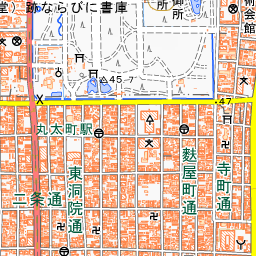


Spot location © OpenStreetMap contributors (ODbL)
Open in Google MapsGuides that include this spot (1)
Use asobot while you walk
- See where you are on the map and find spots nearby
- Listen to the guide's audio in course order, one after another (with subtitles)
- Walk to the next spot while following the map
Open on your phone
Scan to open this spot in asobot on your phone.