 ✨ AI Generated
Mizuma-dera Temple
Japanese: 水間寺
Kaizuka, Osaka
This information was written by AI and may contain mistakes. Please check official sources for opening hours, fees, and other details before you go.
Found a mistake? Let us know with “✏️ Something's wrong” on this spot's screen in asobot →
🎧 Audio guide(1:14)
In short
A Bekkaku Honzan (special head temple) of the Tendai sect, with the mountain name Ryukokuzan. Its principal image is Sho Kanzeon Bosatsu, and affectionately known as "Mizuma Kannon Temple," it attracts deep faith as a Kannon that wards off evil. According to temple tradition, it is said to have been founded in 744 (Tenpyo 16) by Gyoki under the imperial order of Emperor Shomu. It was burned down in 1585 (Tensho 13) during Toyotomi Hideyoshi's attack on Negoro, and the current main hall was rebuilt in 1827 (Bunsei 10) through a donation by Okabe Nagachika, the lord of the Kishiwada Domain.
- Three-Story Pagoda: Rebuilt in 1834 (Tenpo 5), this pagoda is the only three-story pagoda in Osaka Prefecture that was constructed before the Meiji period. A highlight is the carvings of the twelve zodiac animals on the kaerumata (struts) beneath the eaves of the first tier, and along with the main hall, it is designated as a cultural property of Kaizuka City
- Risho-no-Zeni and Aizen-do Hall: Ihara Saikaku's Nippon Eitaigura features a story about the "Risho-no-Zeni" (coins of grace) of Mizuma-dera Temple. Aizen-do Hall, which enshrines Aizen Myo'o, the deity of matchmaking, has been chosen as a "Lovers' Sanctuary," associated with the legend of the love between Onatsu and Seijuro
- Senbon Mochitsuki: An intangible folk cultural property designated by Kaizuka City, held on January 2nd and 3rd of the New Year. It is said to have originated when, to celebrate the appearance of Kannon, sixteen youths pounded mochi (rice cakes) with a thousand wooden sticks to the rhythm of songs and offered them to the principal image
History and Highlights
Mizuma-dera Temple is a Bekkaku Honzan (special head temple) of the Tendai sect, with the mountain name Ryukokuzan. Its principal image of worship is Sho Kanzeon Bosatsu. Affectionately known as "Mizuma Kannon Temple," it attracts deep faith as a Kannon that wards off evil. According to temple tradition, it is said to have been founded in 744 (Tenpyo 16) by Gyoki under the imperial order of Emperor Shomu.
The temple's origin tale recounts the following story: When Emperor Shomu fell ill, he received a dream oracle that Kanzeon Bosatsu would appear to the southwest of the capital, and he ordered Gyoki to search for the Buddhist statue. When Gyoki reached the land of Mizuma, sixteen youths guided him into a ravine, where an elderly, white-haired man atop a giant rock handed him the statue and ascended into heaven as a dragon.
The temple once prospered with as many as 150 sub-temples, but in 1585 (Tensho 13), it was burned down because it sided with the Negoro forces during Toyotomi Hideyoshi's attack on Negoro. The current main hall was rebuilt in 1827 (Bunsei 10) through a donation by Okabe Nagachika, the lord of the Kishiwada Domain, and is an imposing structure with a double-layered, traditional tiled roof.
Viewing and Experience Highlights
- Three-Story Pagoda: Rebuilt in 1834 (Tenpo 5), this pagoda is the only three-story pagoda in Osaka Prefecture that was constructed before the Meiji period. A key highlight is the carvings of the twelve zodiac animals found on the kaerumata (struts) beneath the eaves of the first tier. Along with the main hall, it is designated as a cultural property of Kaizuka City.
- Risho-no-Zeni and Aizen-do Hall: In Ihara Saikaku's Nippon Eitaigura, a story about the "Risho-no-Zeni" (coins of grace) of Mizuma-dera Temple is featured. Aizen-do Hall, which enshrines Aizen Myo'o—the deity of matchmaking—was chosen as a "Lovers' Sanctuary" associated with the legend of the love between Onatsu and Seijuro, and the graves of the two are built next to the front garden.
- Senbon Mochitsuki: On January 2nd and 3rd of the New Year, "Senbon Mochitsuki," an intangible folk cultural property designated by Kaizuka City, is held. It is said to have originated when sixteen youths pounded mochi (rice cakes) with a thousand wooden sticks to the rhythm of songs and offered them to the principal image to celebrate the appearance of Kannon.
Tips for Exploring
Take the Mizuma Railway from Kaizuka Station on the Nankai Main Line, get off at the final stop, Mizuma-Kannon Station, and walk for about 10 minutes through the Mizuma Shopping Arcade. Designed with visitors to Mizuma-dera Temple in mind, the station building of Mizuma-Kannon Station features a stupa-style exterior and is a national Registered Tangible Cultural Property. The temple grounds extend from east to west in a beautiful temple complex bordered by rivers; besides the main hall and the three-story pagoda, there is Gyoki-do Hall, which enshrines Gyoki and is the oldest of the halls on the grounds. Koon-ji Temple, known for its National Treasure Kannon-do Hall, is located about 800 meters to the east and can be visited together.


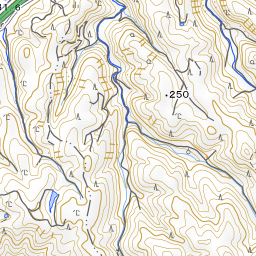
Spot location © OpenStreetMap contributors (ODbL)
Open in Google MapsGuides that include this spot (1)
Use asobot while you walk
- See where you are on the map and find spots nearby
- Listen to the guide's audio in course order, one after another (with subtitles)
- Walk to the next spot while following the map
Open on your phone
Scan to open this spot in asobot on your phone.