 ✨ AI Generated
Horin-ji Temple
Japanese: 法輪寺
Nishikyo Ward, Kyoto
This information was written by AI and may contain mistakes. Please check official sources for opening hours, fees, and other details before you go.
Found a mistake? Let us know with “✏️ Something's wrong” on this spot's screen in asobot →
🎧 Audio guide(1:05)
In short
A Shingon sect temple located halfway up Mount Arashiyama, affectionately known as "Saga-no-Kokuzo-san." Its origins date back to 713 (Wado 6), when the priest Gyoki built halls and pagodas under the imperial decree of Empress Genmei, and in 868 (Jogan 10), the temple's name was changed to Horin-ji. It is mentioned in Sei Shonagon's The Pillow Book (Makura no Soshi) as one of Kyoto's representative temples.
- Views from the Observation Stage: From the observation platform known as the stage (butai) to the right of the main hall, visitors can take in a panoramic view of Sagano, including Togetsukyo Bridge, and see as far as the mountains of Higashiyama and the Kyoto cityscape
- Jusan-mairi: A ceremony in which boys and girls who have turned thirteen years old by the traditional counting method visit to seek wisdom from Kokuzo Bosatsu. The pilgrimage period runs from March 13 to May 13 in spring, and during October and November in autumn
- Dendengu Shrine and Hari-kuyo: Midway up the stone steps, Dendengu Shrine, a guardian shrine that protects electricity and radio waves, is enshrined. In the Hari-kuyo (memorial service for needles) held every year on February 8 and December 8, needles that have worked until then are stuck into konjac to let them rest and receive memorial prayers
History and Highlights
Horin-ji Temple is a Shingon sect Buddhist temple located halfway up Mount Arashiyama, affectionately known as "Saga-no-Kokuzo-san." Its origins date back to 713 (Wado 6), when the priest Gyoki built halls and pagodas under the imperial decree of Empress Genmei; it was initially named Mokujozan Kazunoi-dera. Later, Dosho, a senior disciple of Kukai, is said to have perceived Kokuzo Bosatsu (Akasagarbha Bodhisattva) on the day he completed one hundred days of the Kokuzo Gumonji-ho ascetic training, and enshrined a carved statue of that figure as the principal image. In 868 (Jogan 10), the temple's name was changed to Horin-ji. Dosho is also handed down as the priest who built the original bridge that became Togetsukyo Bridge.
It is mentioned in Sei Shonagon's The Pillow Book (Makura no Soshi) as one of Kyoto's representative temples, and the blessings of its principal image are also depicted in the Konjaku Monogatarishu. Most of the buildings were lost in the Kinmon Incident of 1864 (Genji 1). The main hall was rebuilt in 1884 (Meiji 17), and by 1914 (Taisho 3), structures such as the temple gate were restored, leading to its present appearance.
Viewing and Experience Highlights
- Views from the Observation Stage: To the right of the main hall is an observation platform known as the stage (butai). It commands a panoramic view of Sagano, including Togetsukyo Bridge, and overlooks the mountains of Higashiyama and the Kyoto cityscape. To the left of the main hall stands a tahoto pagoda, and in front of the main hall is a pair of stone statues of an ox and a tiger, reflecting the fact that Kokuzo Bosatsu is the guardian deity for those born in the Year of the Ox and the Year of the Tiger.
- Jusan-mairi: A ceremony in which boys and girls who have turned thirteen years old by the traditional counting method visit to seek wisdom from Kokuzo Bosatsu. It is said to have originated when Emperor Seiwa, who ascended the throne at a young age, held a memorial service at this temple at thirteen years of age by traditional count. The pilgrimage period runs from March 13 to May 13 in spring, and during October and November in autumn. Tradition holds that if one looks back toward the temple on Togetsukyo Bridge on the way home, the wisdom one has received will be lost.
- Dendengu Shrine and Hari-kuyo: Midway up the stone steps, Dendengu Shrine, a guardian shrine that protects electricity and radio waves, is enshrined. After the Myojo-sha shrine, which originated in the era of Dosho, burned down in the Kinmon Incident, it was newly enshrined as Dendengu Shrine in 1956 (Showa 31). In the Hari-kuyo (memorial service for needles) held every year on February 8 and December 8, needles that have worked until then are stuck into konjac to let them rest and receive memorial prayers.
Walking Tips
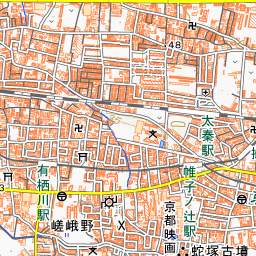
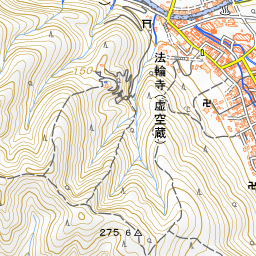
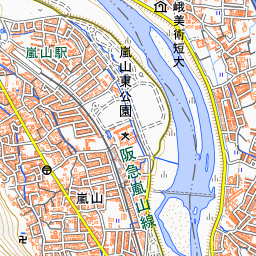
It is about a 5-minute walk from Hankyu Arashiyama Station. Passing through the temple gate, walking up the stone steps, and going past Dendengu Shrine, the main hall comes into view directly ahead. Togetsukyo Bridge is about 320 meters to the north, Arashiyama Park Nakanoshima Area is about 240 meters to the northeast, and Arashiyama Monkey Park Iwatayama is about 160 meters to the northwest.
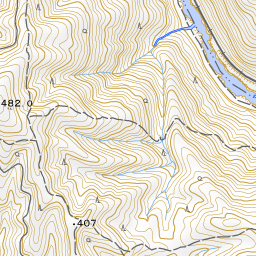
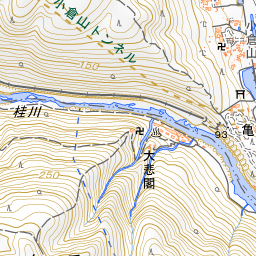
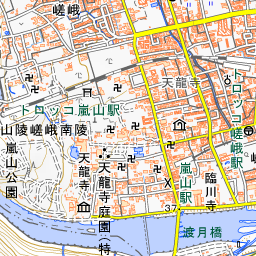
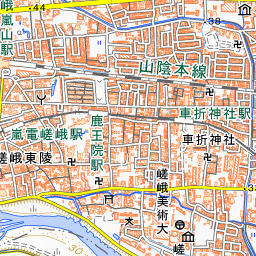
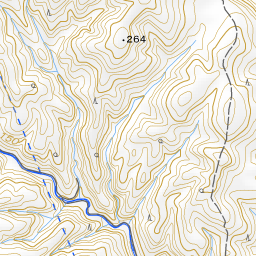
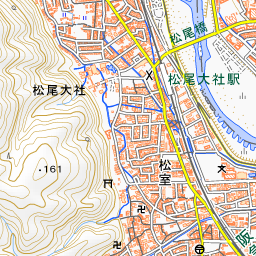

Spot location © OpenStreetMap contributors (ODbL)
Open in Google MapsGuides that include this spot (1)
Use asobot while you walk
- See where you are on the map and find spots nearby
- Listen to the guide's audio in course order, one after another (with subtitles)
- Walk to the next spot while following the map
Open on your phone
Scan to open this spot in asobot on your phone.