 ✨ AI Generated
Jurin-ji Temple
Japanese: 十輪寺
Nishikyo Ward, Kyoto
This information was written by AI and may contain mistakes. Please check official sources for opening hours, fees, and other details before you go.
Found a mistake? Let us know with “✏️ Something's wrong” on this spot's screen in asobot →
🎧 Audio guide(1:04)
In short
An ancient Tendai sect temple in a quiet mountain village in Oharano, known as a temple for praying for conception and safe childbirth. It is said to have begun in 850 (Kasho 3), when Emperor Montoku enshrined Enmeijizo Bosatsu to pray for the safe delivery of his consort. Because temple legend holds that Ariwara no Narihira spent his later years at this temple, it is also called "Narihira-dera."
- Horen-style Main Hall: A Tangible Cultural Property of Kyoto Prefecture built in 1750, with a rare roof modeled after the roof of a horen palanquin. The principal image, a hidden Buddha, is unveiled every year on August 23
- Sanpo Fukan Garden and Narihira-zakura: A courtyard whose view changes depending on how one views it, where a weeping cherry tree about 200 years old covers the tiled roof of the corridor like a canopy
- Narihira's Salt Kiln: On the mountain behind lies a stone salt kiln reproducing the kiln Narihira is said to have used, and every year on November 23, the salt-boiling pastime is reenacted at the Shiogama Purification Festival
History and Highlights
Jurin-ji Temple is an ancient Tendai sect temple located in a quiet mountain village in Oharano at the foot of the Nishiyama mountains, and is known as a temple for praying for conception and safe childbirth. It is said to have begun in 850 (Kasho 3), when Emperor Montoku enshrined Enmeijizo Bosatsu (Enmei Ksitigarbha Bodhisattva) to pray for the safe delivery of his consort, Fujiwara no Akirakeiko. The prayer was answered, and the child born later ascended to the throne as emperor. The principal image, Jizo Bosatsu, is said to have been carved by Saicho (Dengyo Daishi), who founded the Tendai sect. After burning down during the Onin War, it was rebuilt during the Kanbun era by the aristocratic Kazannoin family and became their family temple (bodaiji). According to temple legend, the Heian period poet Ariwara no Narihira spent his later years at this temple, and it is also called "Narihira-dera."
Viewing and Experience Highlights
- Horen-style Main Hall: Built in 1750, the main hall is a Tangible Cultural Property designated by Kyoto Prefecture. Its curved roof is of a rare design called the horen-gata (phoenix-palanquin style), modeled after the roof of a horen, a palanquin used by imperial court dignitaries. The principal image, a hidden Buddha (hibutsu), is unveiled every year on August 23.
- Sanpo Fukan Garden and Narihira-zakura: The courtyard between the main hall and the living quarters (kuri) is said to have been designed by Tsunemasa, the 27th head of the Kazannoin family. It is called the "Sanpo Fukan Garden" because the view changes slightly depending on how one views it—whether standing, sitting, or lying down. The weeping cherry tree in the courtyard, known as the "Narihira-zakura" and estimated to be around 200 years old, drapes its branches over the tiled roof of the corridor in spring, covering it like a canopy. In the Narihira Palace, court-style sliding-door paintings (fusuma-e) of the Heian period have been restored.
- Narihira's Salt Kiln: From the sloped path behind the main hall, you can look out over the roof of the main hall and the Narihira-zakura. Along the slope stands a stone pagoda said to be Narihira's grave, and on the mountain behind lies a stone salt kiln (shiogama), reproducing the kiln that Narihira is said to have used when living here. Heian period aristocrats boiled seawater down into salt to enjoy the scent and imagery of the sea. Every year on November 23 at the Shiogama Purification Festival, this salt-boil pastime is reenacted.
Walking Tips
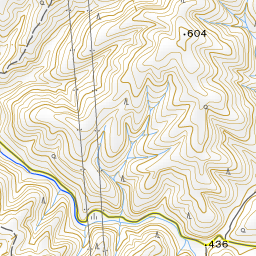
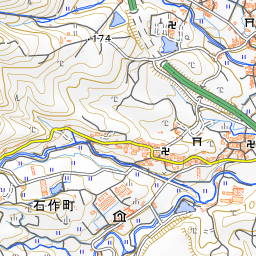
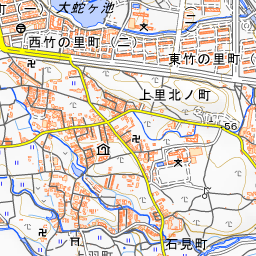
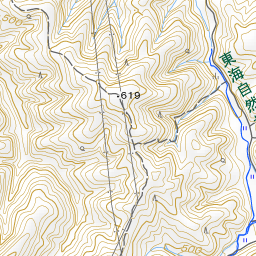
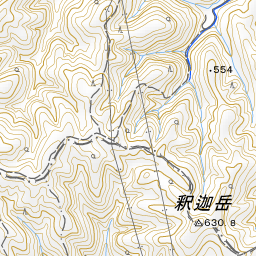
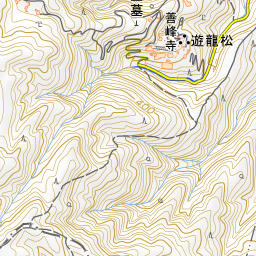
Jurin-ji Temple is a famous spot for early-blooming cherry blossoms, and in autumn, the "Narihira Maple" in front of the main hall also takes on color. By bus, it is about a 20-minute walk from the "Oharano Shogakko-mae" city bus stop, or about 30 minutes from the "Haigata" Hankyu bus stop. Oharano-jinja Shrine is about 1.7 kilometers to the north, and Yoshimine-dera Temple is about 1.3 kilometers to the west-southwest, allowing visitors to tour them along with the other shrines and temples of Oharano.


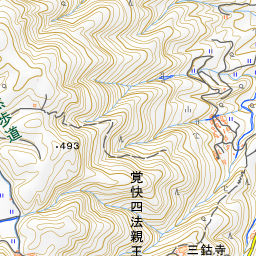
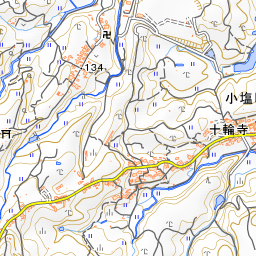
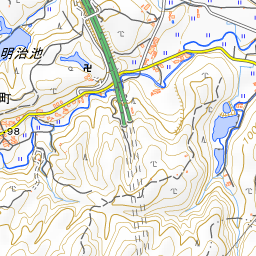
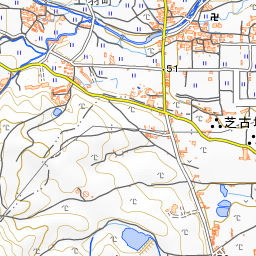
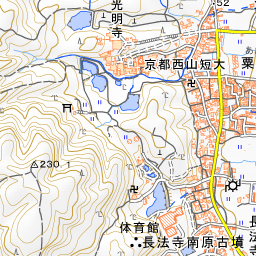
Spot location © OpenStreetMap contributors (ODbL)
Open in Google MapsUse asobot while you walk
- See where you are on the map and find spots nearby
- Listen to the guide's audio in course order, one after another (with subtitles)
- Walk to the next spot while following the map
Open on your phone
Scan to open this spot in asobot on your phone.