 ✨ AI Generated
Hamadera Park
Japanese: 浜寺公園
Nishi Ward, Sakai, Osaka
This information was written by AI and may contain mistakes. Please check official sources for opening hours, fees, and other details before you go.
Found a mistake? Let us know with “✏️ Something's wrong” on this spot's screen in asobot →
🎧 Audio guide(1:07)
In short
An Osaka prefectural park spanning Nishi Ward in Sakai City and Takaishi City, established by a Dajokan (Grand Council of State) decree in December 1873 (Meiji 6), and one of the oldest parks in Japan. It was once a scenic spot of white sand and green pines called "Takashi-no-Hama Beach," and the establishment of the park is considered to have been prompted when Okubo Toshimichi lamented the felling of pines at the beginning of the Meiji period and composed a poem, which brought an immediate halt to the felling.
- Pine Grove of the 100 Selected Pine Groves of Japan: A pine grove selected as one of the "100 Fine Pine Groves of Japan to Pass on to the 21st Century," where you can walk under the pines that shield you from sunlight. Inside the park, there is also a monument inscribed with a poem by Yosano Akiko
- Rose Garden: A stroll-style garden that arranges roses within the original landscape of Japan's mountains and fields, with varieties ranging from wild species to modern roses. The flowers bloom in spring from early May to early June, and in autumn from early October to early November
- Traffic Amusement Park: It features go-karts and a children's train, and the Hankai Tramway Mo 121 type streetcar and a D51 steam locomotive, affectionately known as "Degoichi," are also preserved and exhibited
History and Highlights
Hamadera Park is an Osaka prefectural park spanning Nishi Ward in Sakai City and Takaishi City. Established by a Dajokan (Grand Council of State) decree in December of the 6th year of Meiji (1873), it is one of the oldest parks in Japan. It covers 75.1 hectares, including the Senboku Rinkai Green Space.
This area was once called "Takashi-no-Hama Beach" and was a scenic spot of white sand and green pines celebrated in poetry anthologies such as the Man'yoshu and Kokin Wakashu. The place name Hamadera is said to have originated when Daiyu-ji Temple, built during the Shohei era under Emperor Go-Murakami, came to be known as "Hama-no-tera" (Temple on the Beach). The pine grove was originally planted on the west side of the Kishu Kaido Road to protect the fields to the east. At the beginning of the Meiji period, the grove was sold off by the government, and 1,791 pine trees were felled. Passing by, Okubo Toshimichi lamented the scene and composed a poem, which brought an immediate halt to the felling. This is considered to be what led to the establishment of the park.
After the Nankai Electric Railway began service in 1897 and a beach resort opened in 1906, the park became popular among people throughout the Kansai region. After World War II, it was requisitioned by the U.S. military, many pine trees were felled, and it temporarily ceased functioning as a park, but it was renovated after being returned in 1958. After the beach resort was closed due to land reclamation, a swimming pool complex—said at the time to be the largest in the Orient—was completed in 1963 in its place.
Sights and Experiences
- Pine Grove of the 100 Selected Pine Groves of Japan: The pine trees in Hamadera Park are selected as one of the "100 Fine Pine Groves of Japan to Pass on to the 21st Century." Many paths inside the park are paved and flat, allowing visitors to stroll under the pines that shield them from sunlight. Inside the park, there is also a monument inscribed with a poem by Yosano Akiko.
- Roses in a Japanese Countryside Setting: the Rose Garden: Opened in 1991, the Rose Garden is a stroll-style garden that arranges roses within the original landscape of Japan's mountains and fields. It features varieties ranging from wild species to modern roses, as well as a waterwheel and a rest house designed in the style of a traditional Japanese farmhouse. The flowers bloom in spring from early May to early June, and in autumn from early October to early November.
- Transportation and Railway Fun at the Traffic Amusement Park: Opened in 1965, the Traffic Amusement Park features go-karts and a children's train operating on a 760-meter course with slopes and curves. The Hankai Tramway Mo 121 type streetcar and a D51 steam locomotive, affectionately known as "Degoichi," are also preserved and exhibited.
Walking Tips
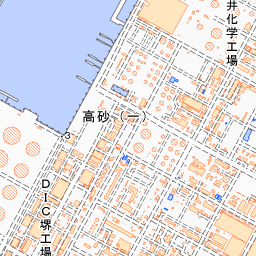
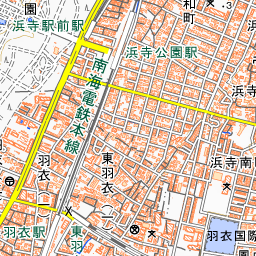
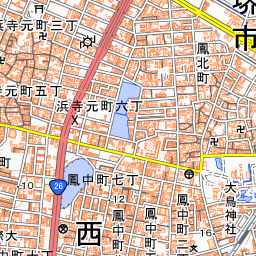
The park spreads out right in front of Hamaderakoen Station on the Nankai Main Line and Hamadera-ekimae Station, the terminus of the Hankai Tramway. It is also about 450 meters northwest of Hagoromo Station on the Nankai Main Line and Higashi-Hagoromo Station on the JR Hagoromo Line. Because the Hankai Tramway runs through downtown Sakai to Hamadera-ekimae Station, you can also tour it together with spots along the line, such as Nanshu-ji Temple.
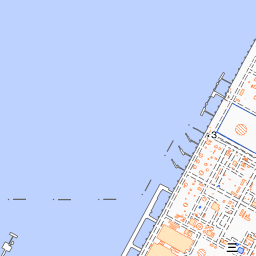
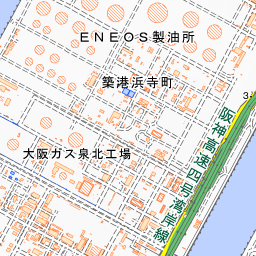

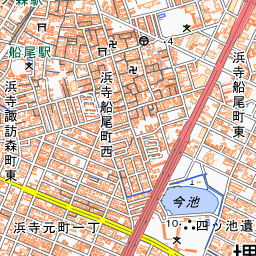


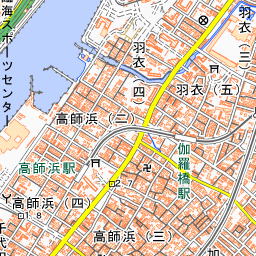
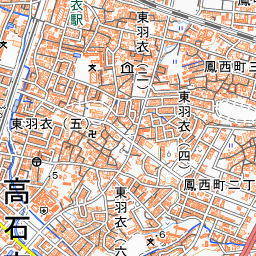
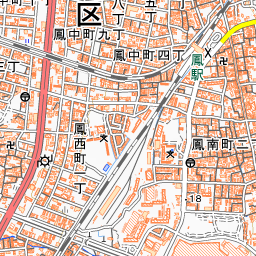
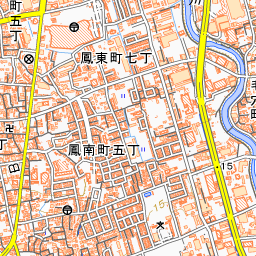
Spot location © OpenStreetMap contributors (ODbL)
Open in Google MapsGuides that include this spot (1)
Use asobot while you walk
- See where you are on the map and find spots nearby
- Listen to the guide's audio in course order, one after another (with subtitles)
- Walk to the next spot while following the map
Open on your phone
Scan to open this spot in asobot on your phone.