 ✨ AI Generated
Azusami Tenjin-ja Shrine
Japanese: 阿豆佐味天神社
Tachikawa, Tokyo
This information was written by AI and may contain mistakes. Please check official sources for opening hours, fees, and other details before you go.
Found a mistake? Let us know with “✏️ Something's wrong” on this spot's screen in asobot →
🎧 Audio guide(1:01)
In short
Azusami Tenjin-ja Shrine was founded in the early Edo period as the guardian shrine for the Sunagawa Shinden reclamation settlement. Within its grounds, it enshrines Tachikawa Suitengu Shrine, a guardian deity for safe childbirth and fertility, and Kokage-jinja Shrine, which is widely known as the "Cat-Returning Shrine" (Neko-kaeshi Jinja).
- The Cat-Returning Shrine: Kokage-jinja Shrine enshrines the deity of sericulture. Because cats catch mice—the natural enemy of silkworms—cats are revered here as protective spirits. The nickname was coined by the jazz pianist Yamashita Yosuke.
- Tadaima Neko (I'm Home Cat): A stone statue of a cat on the shrine grounds. The shrine advises visitors to stroke it gently.
- Tachikawa Suitengu Shrine: Many people visit to pray on the Day of the Dog (Inu no Hi) and for the Shichi-Go-San festival.
History and Highlights
Azusami Tenjin-ja Shrine was founded in 1629 (Kanei 6) as the village's protective deity during the agricultural land reclamation of Sunagawa. It is said that the development of Sunagawa Shinden began around where the Itsukaichi Kaido highway and the Zanbori River intersected. The deities were welcomed from the Shikinaisha (a shrine listed in ancient registries) Azusami Tenjin-ja Shrine located in what is now Mizuho Town. The two enshrined deities are Sukunahikona-no-Mikoto, the god of medicine, health, and wisdom, and Amenokoyane-no-Mikoto, the god of literature and the arts.
Tachikawa Suitengu Shrine, an auxiliary shrine on the grounds, has long been revered as a guardian deity for safe childbirth and fertility. Kokage-jinja Shrine, another auxiliary shrine, is dedicated to the deity of sericulture. From the late Edo period, the Sunagawa area thrived in cultivating mulberry saplings and sericulture. In 1860, the deity was welcomed from the foot of Mount Tsukuba, garnering deep faith from sericultural farmers. As mice are natural predators of silkworms, cats became revered as protective deities.
The name "Cat-Returning Shrine" was coined by the jazz pianist Yamashita Yosuke. Living in Tachikawa City, Yamashita prayed at this shrine when his pet cat went missing, and the cat is said to have returned home. After he shared this story in an essay published in 1987, many cat lovers began to visit. It is noted that the piano piece "Etenraku," offered by Yamashita in gratitude for his cat's return, plays within the shrine grounds.
Highlights for Viewing and Experiencing
- Tadaima Neko: A stone cat statue on the shrine grounds. Glass beads are embedded in its eyes, and it is said to look like the eyes of a real cat. Be sure to stroke it gently.
- Cat Ema (Votive Plaques): In front of Kokage-jinja Shrine, many ema depicting a calico cat looking back are hung. The shrine has also received reports that cats returned safely after their owners wrote wishes on these ema.
- Honden (Main Hall): Regarded as the oldest wooden building in Tachikawa City, it is designated as a Tangible Cultural Property of the city along with its munafuda (ridge plaque). Take time to admire the carvings of dragons and lions.
Tips for Exploring
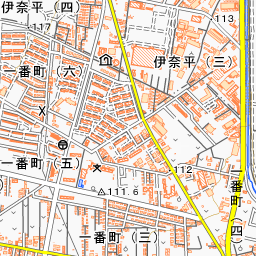
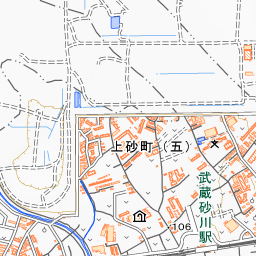
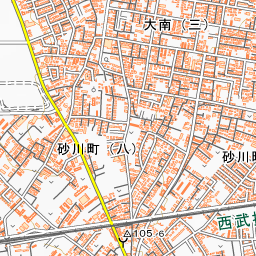
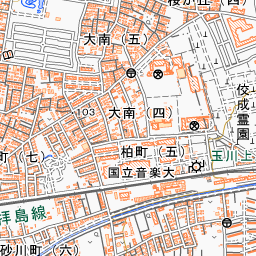
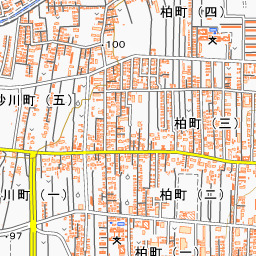
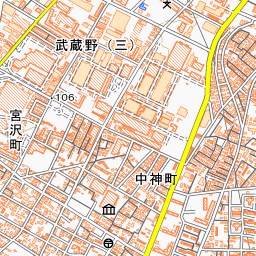
From the North Exit of JR Tachikawa Station, take a Tachikawa Bus bound for "Mitsufuji" or "Hakonegasaki Station" for about 15 minutes, and get off at "Sunagawa Yonban"; the shrine is right there. The shrine is located along the Itsukaichi Kaido highway. According to the shrine's visiting guidelines, purify your hands and mind at the chozuya (water ablution pavilion), then proceed to the main sanctuary straight ahead, followed by Kokage-jinja Shrine beside it. Afterward, receive an ema at the shrine office, hang it up, and stroke the stone cat statue. Other auxiliary shrines such as Yakumo-jinja and Tenjin-ja are also located on the grounds. Pets are not allowed on the grounds, so even when praying for a cat, only the owner should visit.
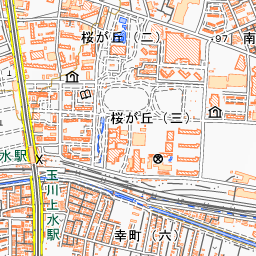
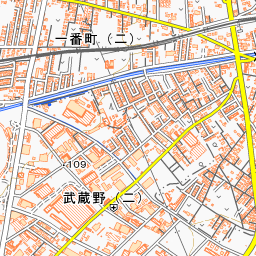
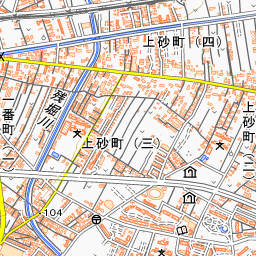
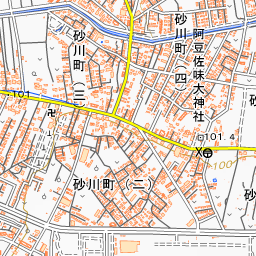

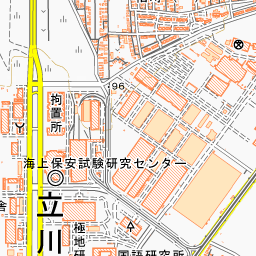
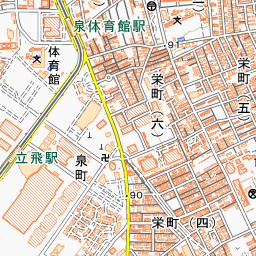
Spot location © OpenStreetMap contributors (ODbL)
Open in Google MapsUse asobot while you walk
- See where you are on the map and find spots nearby
- Listen to the guide's audio in course order, one after another (with subtitles)
- Walk to the next spot while following the map
Open on your phone
Scan to open this spot in asobot on your phone.