 ✨ AI Generated
Shoman-in Temple / Aizen-do Hall
Japanese: 勝鬘院・愛染堂
Tennoji Ward, Osaka
This information was written by AI and may contain mistakes. Please check official sources for opening hours, fees, and other details before you go.
Found a mistake? Let us know with “✏️ Something's wrong” on this spot's screen in asobot →
🎧 Audio guide(1:13)
In short
A temple said to have originated as the Seyaku-in, one of the four welfare facilities (Shikain), built when Prince Shotoku founded Shitenno-ji Temple in 593 (the first year of Empress Suiko's reign). The principal image of the Main Hall (Kondo) is Aizen Myo'o, known for blessings in matchmaking and marital harmony. As devotion to Aizen Myo'o spread, the entire temple came to be known as "Aizen-do Hall," and it is still affectionately referred to today as "Aizen-san."
- Tahoto Pagoda: A 22-meter-tall pagoda rebuilt in 1597 (Keicho 2) by Toyotomi Hideyoshi after burning down during Oda Nobunaga's Ishiyama campaign. As the oldest wooden structure in Osaka City, it is designated as a National Important Cultural Property
- Aizen Katsura: A large katsura tree with a Chinese trumpet vine wound around it. Because it looks like a man and a woman nestled together, it is revered as a sacred tree for romantic fulfillment and marital harmony. It is known as the tree that served as the model for Kawaguchi Matsutaro's novel Aizen Katsura
- Aizome Sacred Water (Aizome no Reisui): Sacred spring water that wells up within the grounds. Drinking it is said to bestow charm and grant blessings such as finding a good match
History and Highlights
Shoman-in Temple is traditionally said to have originated as the Seyaku-in, one of the four welfare facilities (Shikain) founded by Prince Shotoku in 593 (the first year of Empress Suiko's reign) when he built Shitenno-ji Temple. The Seyaku-in was a welfare facility dedicated to cultivating medicinal herbs and dispensing them to people according to their illnesses, and was constructed at the northwestern corner of Shitenno-ji Temple, at the current site of Aizen-do Hall. It is said that Prince Shotoku later gave lectures on the Srimala Sutra (Shoman-gyo) at this location, leading to the name Shoman-in.
The principal image of the Main Hall (Kondo) is Aizen Myo'o, widely known for blessings in matchmaking and marital harmony. As devotion to Aizen Myo'o spread, the entire temple complex came to be known as "Aizen-do Hall," and it is still affectionately referred to today as "Aizen-san."
The Tahoto pagoda on the grounds was rebuilt in 1597 by Toyotomi Hideyoshi after burning down during Oda Nobunaga's Ishiyama campaign. Designated as a National Important Cultural Property, it is the oldest wooden structure in Osaka City. The Main Hall was reconstructed in 1618 by Tokugawa Hidetada, the second Tokugawa shogun, and is designated as a Tangible Cultural Property by Osaka Prefecture.
Viewing and Experience Points
- Tahoto Pagoda: Standing 22 meters tall, the pagoda houses an image of Dainichi Daisho Kongo-son, said to have been commissioned by Hideyoshi to pray for victory in battle, as well as wall paintings of the Twelve Heavenly Deities (Juni-ten) and pillar paintings. The kaerumata (struts) feature carvings of the twelve signs of the Chinese zodiac.
- Aizen Katsura: Located at the back on the right after passing through the Yakuimon gate, this large katsura tree is said to be several hundred years old. Because the Chinese trumpet vine climbing around it resembles a man and a woman embracing, it is revered as a sacred tree for romantic fulfillment and marital harmony. It is also known as the inspiration for Kawaguchi Matsutaro's novel Aizen Katsura.
- Aizome Sacred Water (Aizome no Reisui): Drinking the spring water that wells up within the grounds is said to bestow charm and grant blessings such as finding a good match. In the past, dyers also worshipped here, believing that fabric dyed using this water achieved superior color.
Strolling Tips
The temple is about a 2-minute walk from Shitennoji-mae Yuhigaoka Station on the Osaka Metro Tanimachi Line. Held annually from June 30 to July 2, the Aizen Festival is one of Osaka's Three Great Summer Festivals, and the images of Aizen Myo'o and Dainichi Daisho Kongo-son are specially unveiled to the public only during these three days. A parade of hoekago (palanquins) is also held on the first day, June 30. Exploring the temple together with Oe-jinja Shrine just to the west, Kuchinawazaka Slope about 240 meters to the northwest, and Shitenno-ji Temple about 490 meters to the southeast offers a leisurely way to experience the temple town of Yuhigaoka.
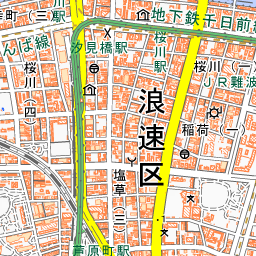
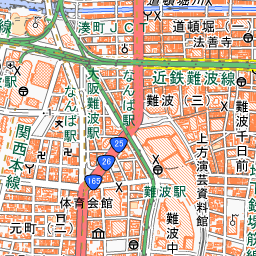
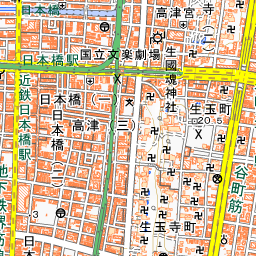
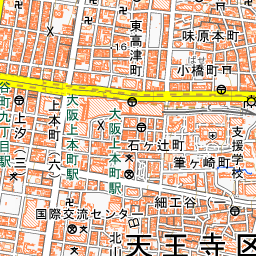


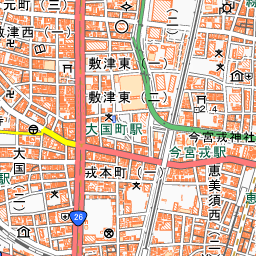
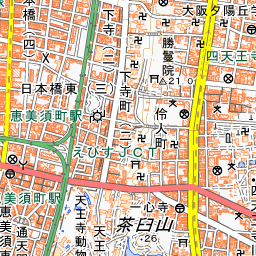
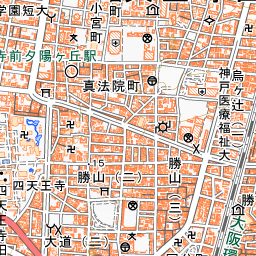
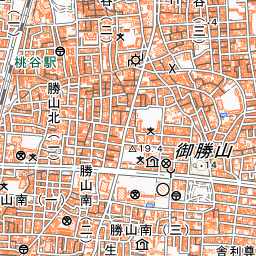
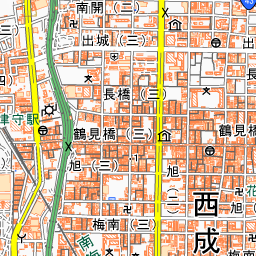

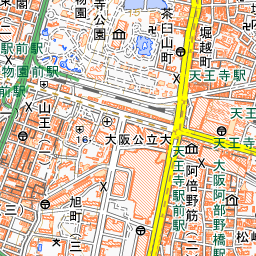

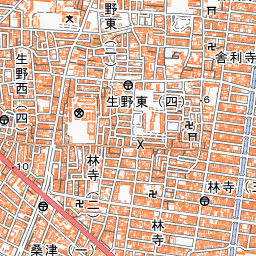
Spot location © OpenStreetMap contributors (ODbL)
Open in Google MapsGuides that include this spot (1)
Use asobot while you walk
- See where you are on the map and find spots nearby
- Listen to the guide's audio in course order, one after another (with subtitles)
- Walk to the next spot while following the map
Open on your phone
Scan to open this spot in asobot on your phone.