 ✨ AI Generated
Eisan-ji Temple
Japanese: 栄山寺
Gojo, Nara
This information was written by AI and may contain mistakes. Please check official sources for opening hours, fees, and other details before you go.
Found a mistake? Let us know with “✏️ Something's wrong” on this spot's screen in asobot →
🎧 Audio guide(1:10)
In short
Eisan-ji Temple is a temple of the Buzan sect of Shingon Buddhism, overlooking the Yoshino River in Gojo City. It is said to have been founded in the 3rd year of Yoro (719) by Fujiwara no Muchimaro, and it flourished as the family temple of the Southern Branch of the Fujiwara clan. Both its Octagonal Hall from the Nara period and its temple bell from the Heian period are National Treasures.
- Octagonal Hall: It is said to have been built by Muchimaro's son, Nakamaro, to mourn his father. Its construction is estimated to have taken place between the 4th and 8th years of Tenpyo-hoji (760–764).
- One of the Three Renowned Bells of the Heian Period: A temple bell inscribed with the date 17th year of Engi (917). Along with the bells of Jingo-ji Temple in Kyoto and Byodoin Temple in Uji, it is known as one of the "Three Renowned Bells of the Heian Period."
- Otonashi River: The Yoshino River flowing directly below the temple is also called the "Otonashi River" (Soundless River), and a legend related to Kobo Daishi is passed down at the temple.
History and Highlights
Eisan-ji Temple is a temple that overlooks the Yoshino River, which is also called the Otonashi River. Its mountain name (sango) is Gakushosan, and its principal image is Yakushi Nyorai. In ancient times, it was called Sakiyama-dera Temple. It is said to have been founded in the 3rd year of Yoro (719) by Fujiwara no Muchimaro, and it flourished greatly as the family temple of the Southern Branch of the Fujiwara clan until the Kamakura period.
The most well-known structure within the grounds is the National Treasure Octagonal Hall. It is said to have been built by Muchimaro's son Nakamaro to mourn him. Its construction is estimated between the 4th and 8th years of Tenpyo-hoji (760–764), and it is also valuable because its year of construction can be almost precisely identified. Along with the Yumedono of Horyu-ji Temple, it is considered a precious surviving example of an octagonal hall from the Nara period. While octagonal when viewed from the outside, the inner core (moya) is square, with four octagonal pillars serving as the structural keystone.
The temple bell in the bell tower is also a National Treasure. From its inscription, it is known to have been cast in the 17th year of Engi (917), and the inscriptions on its four faces are said to have been composed by Sugawara no Michizane and calligraphed by Ono no Michikaze. Originally, it was a bell at Docho-ji Temple in Yamashiro. During the Nanboku-cho period, the temple served as a temporary palace (angu) for Emperors Go-Murakami, Chokei, and Go-Kameyama of the Southern Court, and is designated as a National Historic Site as the Site of the Eisan-ji Temporary Palace. At the end of the Sengoku period, all temple buildings except for the Octagonal Hall are said to have been destroyed by fire.
Viewing and Experience Points
- Roof of the Octagonal Hall: Before its dismantling and repair in the 44th year of Meiji (1911), it had a thatched roof. The current tiled roof is an estimated restoration done during that repair.
- Paintings of the Octagonal Hall: On the interior pillars, Onjo Bodhisattvas playing musical instruments are depicted, and heavenly beings (hiten) as well as birds with human faces are painted on the penetrating tie beams. Although flaking is severe, they are designated as an Important Cultural Property separately from the building as paintings from the Nara period. Going inside is permitted only during the special viewing periods when the hall is opened: from April 25 to the last Sunday of May, and from October 25 to the last Sunday of November.
- Stone Lantern: Standing in front of the main hall, this Important Cultural Property bears an inscription from the 7th year of Koan (1284). Called the "Eisan-ji style lantern," it has a height of 243 centimeters.
Walking Tips
From JR Gojo Station, it is about a 25-minute walk along a mostly flat road, covering a distance of about 2.1 km. By bus, take a bus from Gojo Bus Center, get off at "Eisanji-guchi," and walk for about 10 minutes, though buses run infrequently.
After touring the grounds, take a look at the Yoshino River. According to a legend handed down at the temple, long ago, when Kobo Daishi was undergoing ascetic training here, he was bothered by the sound of the river; he chanted sutras, threw his brush, and prayed for the sound to stop. The river's sound then completely ceased, which is said to be how it got the name "Otonashi River." Gojo Shinmachi is about 2.6 km in a straight line to the west-southwest, and Kongo-ji Temple is about 2.1 km in a straight line to the southwest.
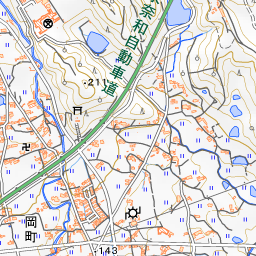
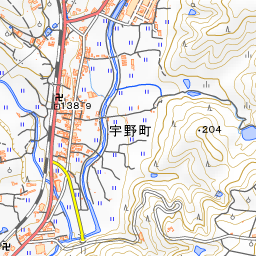
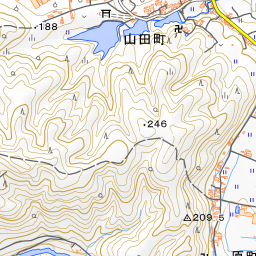
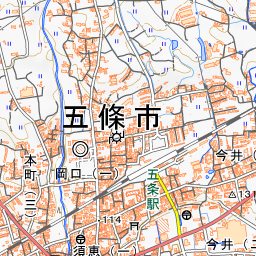

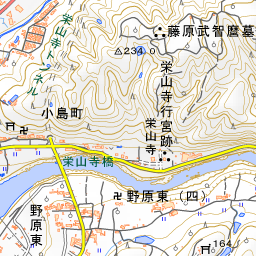
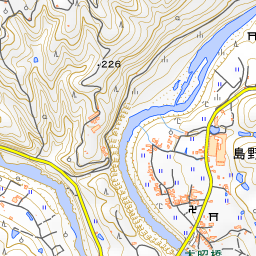
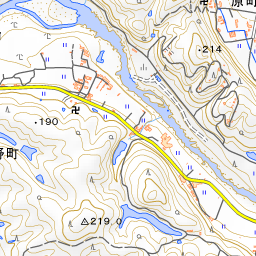
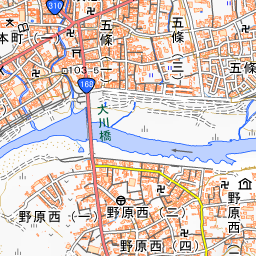
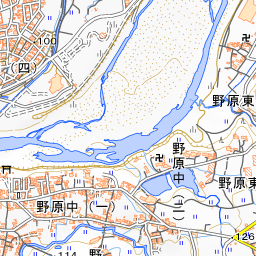

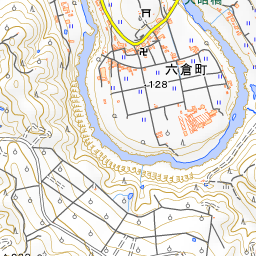
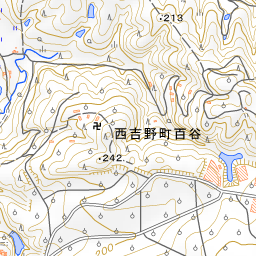
Spot location © OpenStreetMap contributors (ODbL)
Open in Google MapsGuides that include this spot (1)
Use asobot while you walk
- See where you are on the map and find spots nearby
- Listen to the guide's audio in course order, one after another (with subtitles)
- Walk to the next spot while following the map
Open on your phone
Scan to open this spot in asobot on your phone.