 ✨ AI Generated
Ishibutai Kofun Burial Mound
Japanese: 石舞台古墳
Asuka Village, Nara
This information was written by AI and may contain mistakes. Please check official sources for opening hours, fees, and other details before you go.
Found a mistake? Let us know with “✏️ Something's wrong” on this spot's screen in asobot →
🎧 Audio guide(1:03)
In short
Ishibutai Kofun Burial Mound is one of Japan's largest square burial mounds (hōfun), located in Shimanosho, Asuka Village, and designated as a Special Historic Site of Japan. The earthen mound no longer remains, and it is known for the exposed, massive ceiling stones of its stone burial chamber. While the person buried here has not been definitively identified, Soga no Umako is considered the most likely candidate.
- Exposed Megaliths: The stone chamber was built by stacking over 30 megaliths, with an estimated total weight of approximately 2,300 tons.
- Inside the Stone Chamber: You can step inside the stone chamber to experience the scale of the megaliths firsthand.
- Part of a World Heritage Site: It is one of the components of the "Ancient Capitals of Asuka and Fujiwara," inscribed as a UNESCO World Heritage site in 2026.
History and Highlights
Ishibutai Kofun Burial Mound is an Asuka period tumulus located in Shimanosho, Asuka Village. As a square tumulus known as a "hōfun," it is among the largest in Japan. It has been designated as a Special Historic Site of Japan, and is also one of the components of the "Ancient Capitals of Asuka and Fujiwara" inscribed as a World Heritage site in 2026.
The stone chamber is the room where the deceased was interred. Normally covered with an earthen mound, such chambers are not visible from the outside, but here the mound is no longer present. The ceiling portion of the stone chamber is completely exposed. The name Ishibutai (meaning "stone stage") comes from how the massive ceiling stones resemble a stage. It was already known as a sightseeing spot during the Edo period.
The stone chamber was constructed by stacking more than 30 massive stones, with the total weight estimated at approximately 2,300 tons. These gigantic rocks are believed to have been transported from the foot of Tonomine, in the upper reaches of the Fuyuno River near the mound.
Excavations conducted by Kyoto University and Nara Prefecture in 1933 and 1935 revealed its overall structure. The base of the earthen mound was enclosed by a square earthen rampart, with a moat located outside it.
Although the person buried here has not been identified, Soga no Umako is considered the leading candidate. The Nihon Shoki records that Umako was buried in "Momohara-no-haka." It is said that this Momohara-no-haka may indeed be Ishibutai Kofun Burial Mound.
Viewing and Experience Points
- Massive Ceiling Stones: Of the two stones covering the ceiling, the southern stone weighs approximately 77 tons. Stand inside the stone chamber and look up at the stone above your head.
- Burial Chamber and Passage: The inner chamber, the genshitsu (burial chamber), measures about 7.7 meters in length, 3.4 meters in width, and 4.8 meters in height. The sendō (entrance passage) leading to the burial chamber has lost its ceiling stones.
- Mt. Nijo Beyond the Flatland: Spreading out in front of the mound is the flatland where Asuka Palace once stood, with Mt. Nijo visible in the distance. Located to the west, Mt. Nijo is said to have been revered since ancient times as the boundary between this world and the afterlife.
Walking Tips
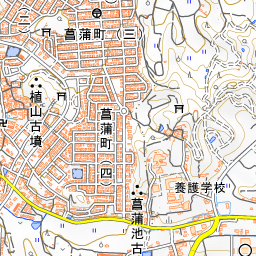
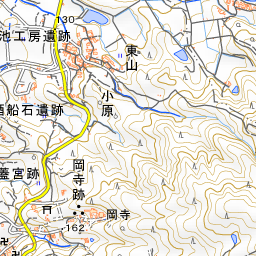
It is about a 5-minute walk from the "Ishibutai" bus stop. The burial mound was built utilizing the slight slope at the foot of the mountain and sits on ground slightly higher than the flatland where Asuka Palace once stood. The surrounding area is the Ishibutai area of Asuka Historical National Government Park, featuring a lawn square that makes use of the terraced paddy terrain. There are several sets of stairs within the grounds, so it is not possible to enter the stone chamber in a wheelchair. Nearby are Oka-dera Temple, about 570 meters to the north-northeast, and Tachibana-dera Temple, about 830 meters to the west-northwest. For a walking route exploring ancient stone monuments, one option is to start from Asuka Station, visit Saru-ishi Stone, Oni-no-Setchin, Kame-ishi Stone, and Tachibana-dera Temple before reaching this site, and then continue onward to Sakafune-ishi Ruins.

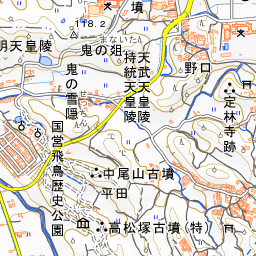
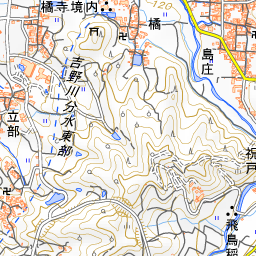
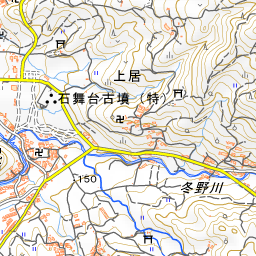
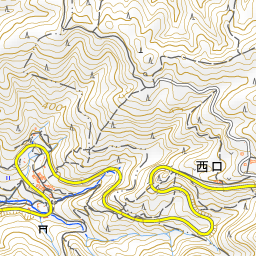
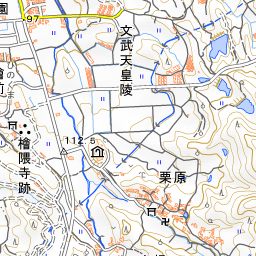
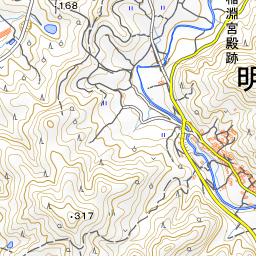
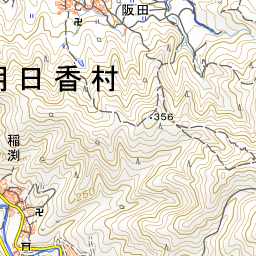
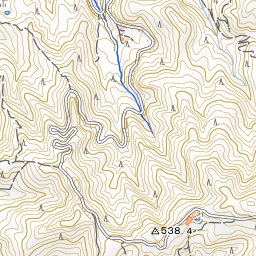
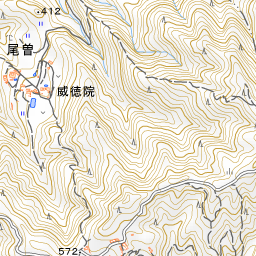
Spot location © OpenStreetMap contributors (ODbL)
Open in Google MapsGuides that include this spot (2)
- A First Bicycle Trip in Asuka: From Takamatsuzuka Kofun Burial Mound to Kame-ishi Stone, Tachibana-dera Temple, Ishibutai Kofun Burial Mound, and Asuka-dera Temple
- Eastern Foothills of Asuka: From the Man'yo Culture Complex to Oka-dera Temple, Ishibutai Kofun Burial Mound, and the Inabuchi Rice Terraces
Use asobot while you walk
- See where you are on the map and find spots nearby
- Listen to the guide's audio in course order, one after another (with subtitles)
- Walk to the next spot while following the map
Open on your phone
Scan to open this spot in asobot on your phone.