 ✨ AI Generated
Genko-an Temple
Japanese: 源光庵
Kita Ward, Kyoto
This information was written by AI and may contain mistakes. Please check official sources for opening hours, fees, and other details before you go.
Found a mistake? Let us know with “✏️ Something's wrong” on this spot's screen in asobot →
🎧 Audio guide(1:11)
In short
Genko-an Temple, formally known as Yohozan Hojurin Genko-an, is a temple of the Soto Zen sect. It was founded in 1346 (Jowa 2) by National Master Tetto Kokushi, and it became a Soto sect temple after Zen Master Manzan Dohaku restored it in 1694 (Genroku 7).
- Window of Enlightenment and Window of Delusion: In the main hall, the circular "Window of Enlightenment" expresses the spirit of Zen and perfect harmony, and the square "Window of Delusion" expresses the four and eight sufferings of birth, aging, sickness, and death
- Blood Ceiling: The ceiling of the main hall is said to be a remnant of Fushimi Castle. The stains are considered to be the marks left in 1600 (Keicho 5), when Torii Mototada and his party, who fought at Fushimi Castle, fell in battle and the remaining members took their own lives. The temple offers memorial services for these people
- Karesansui Garden: Behind the main hall lies a karesansui (dry landscape) garden that uses the Kitayama mountains as borrowed scenery, and particularly many people visit during the autumn foliage season
History and Highlights
Genko-an Temple, formally known as Yohozan Hojurin Genko-an, is a temple of the Soto Zen sect. It was founded in 1346 by National Master Tetto Kokushi, the second-generation head of the Rinzai sect's Daitoku-ji Temple. Although it was originally a Rinzai sect temple, in 1694 Zen Master Manzan Dohaku, the 27th head of Daijo-ji Temple in Kaga, became the head priest and restored the temple; from then on, it became a temple of the Soto sect. Zen Master Manzan dedicated his life to "restoring the lineage"—correcting the transmission of dharma within the Soto sect, which had fallen into disorder—and is also hailed as the restorer of the Soto sect.
The present main hall was constructed in 1694 through a donation by Nakada Seika Koji, a wealthy merchant from Kanazawa who was a devout follower of Zen Master Manzan. It enshrines the principal image, Shakyamuni Buddha, flanked by the venerables Ananda and Mahakasyapa. To the west of the main hall, the Reishi Kanzeon is also enshrined, which is said to have been obtained by Zen Master Manzan deep in the mountains of Ujitawara in 1681.
Viewing and Experience Points
- Window of Enlightenment and Window of Delusion: The main hall features the circular "Window of Enlightenment" and the square "Window of Delusion." The round shape expresses the spirit of "Zen and perfect harmony," with the circle representing the vast universe. The square shape symbolizes "human life," expressing the four and eight sufferings of birth, aging, sickness, and death. Behind the main hall lies a karesansui (dry landscape) garden that uses the Kitayama mountains as borrowed scenery, and particularly many people visit during the autumn foliage season.
- Blood Ceiling: The ceiling of the main hall is known as the "blood ceiling," said to be an architectural remnant of Fushimi Castle. In July of 1600, Torii Mototada, a retainer of Tokugawa Ieyasu, and his party fought against the forces of Ishida Mitsunari at Fushimi Castle; these stains are considered to be the marks left when they fell in battle and the remaining members took their own lives. The temple offers memorial services for these people and also conducts a memorial service for Torii Mototada and his party on the middle days of the spring and autumn equinoxes.
- Kaisan-do and Chigo-i Well: The Kaisan-do (Founder's Hall) on the north side of the main hall was built in 1719; also called the Fukko-do, it houses a wooden statue of Zen Master Manzan. At the Chigo-i well in the western valley of the grounds, a legend remains that when people suffered from a water shortage, a dragon living in a pond appeared in the dream of Tetto Kokushi in the form of a child and revealed that water would spring forth from the western valley.
Walking Tips
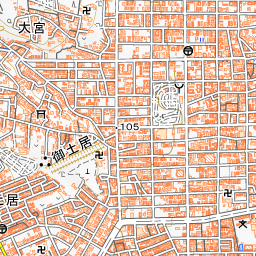
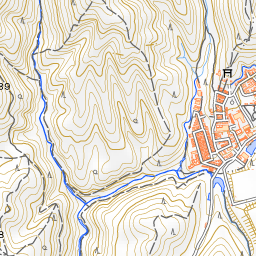
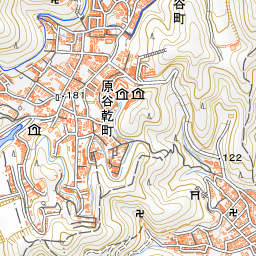
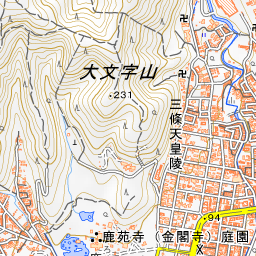
It is about a 1-minute walk after getting off at the "Takagamine Genkoan-mae" Kyoto City Bus stop. Because it becomes crowded during the autumn foliage season, the temple asks visitors to refrain from arriving by car. Nearby are Koetsu-ji Temple, associated with Hon'ami Koetsu, and Josho-ji Temple, associated with Yoshino Tayu, each introduced as separate spots.
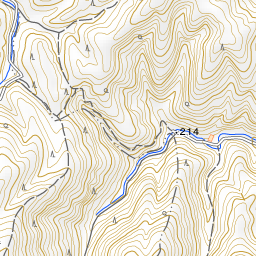
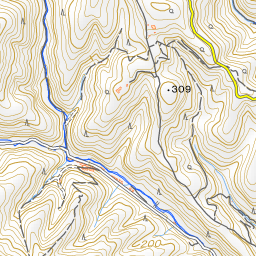
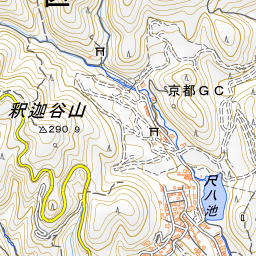
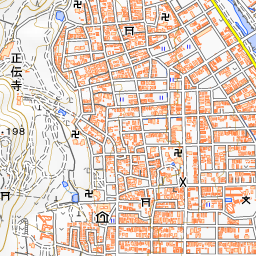
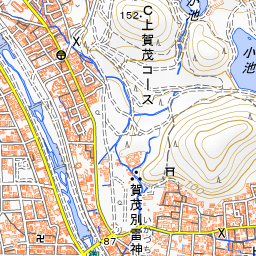

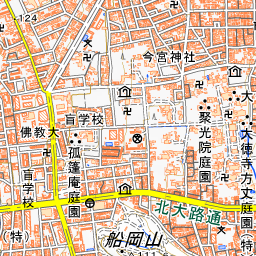
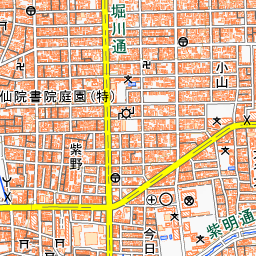
Spot location © OpenStreetMap contributors (ODbL)
Open in Google MapsGuides that include this spot (1)
Use asobot while you walk
- See where you are on the map and find spots nearby
- Listen to the guide's audio in course order, one after another (with subtitles)
- Walk to the next spot while following the map
Open on your phone
Scan to open this spot in asobot on your phone.