 ✨ AI Generated
Asuka-dera Temple
Japanese: 飛鳥寺
Asuka Village, Nara
This information was written by AI and may contain mistakes. Please check official sources for opening hours, fees, and other details before you go.
Found a mistake? Let us know with “✏️ Something's wrong” on this spot's screen in asobot →
🎧 Audio guide(1:00)
In short
Asuka-dera Temple is Japan's oldest full-scale Buddhist temple, built upon the vow of Soga no Umako. Its principal image, a bronze seated statue of Shakyamuni Buddha affectionately known as the "Asuka Daibutsu," is designated as an Important Cultural Property of Japan. Although the original buildings from its founding were lost to fire, the seated position of the Asuka Daibutsu has remained unchanged since the temple's founding.
- Asuka Daibutsu: A joroku (standard Buddhist scale) seated statue of Shakyamuni Buddha about 2.7 meters high, attributed to Kuratsukuri no Tori.
- Remains of the Grand Temple: Excavations revealed that the complex originally featured a layout where a central pagoda was surrounded by three Golden Halls within a cloister.
- Iruka's Head Tomb (Iruka no Kubizuka): A gorinto (five-tiered stone stupa) located on the west side of the temple, associated with the legend that the severed head of Soga no Iruka flew to this spot.
History and Highlights
Soga no Umako vowed to build Asuka-dera Temple in 588, and it was completed in 596. It was also called Hoko-ji or Gango-ji. Artisans invited from the ancient Korean kingdom of Baekje took part in its construction, and it was also Japan's first building with a tiled roof. The founding of Asuka-dera sparked the successive construction of Buddhist temples, shifting the symbols of political power from burial mounds (kofun) to temples.
Excavations conducted from 1956 to the following year revealed its layout at the time of construction. Golden Halls stood to the north, east, and west of the central pagoda, all enclosed by corridors. The temple grounds spanned 300 meters north to south and 200 meters east to west.
The temple also served as a stage for political events. Prince Naka no Oe and Nakatomi no Kamatari are said to have first met beneath a zelkova tree west of the temple during a game of kemari (ancient football). During the Isshi Incident of 645, Prince Naka no Oe barricaded himself in this temple after assassinating Soga no Iruka.
In 718, following the relocation of the capital to Heijo-kyo, the temple was moved to Nara and became Gango-ji Temple. The temple that remained in Asuka came to be called Moto-Gango-ji. After burning down due to a lightning strike in 1196, it rapidly declined. Today, it is a temple known as Ango-in of the Buzan sect of Shingon Buddhism, housing the Asuka Daibutsu in its main hall, which was rebuilt in the Edo period. The site of Asuka-dera Temple is a National Historic Site, and its Asuka-period remains were inscribed as a UNESCO World Heritage site in 2026 under the name "Ancient Capitals of Asuka and Fujiwara."
Viewing and Experience Points
- Face of the Asuka Daibutsu: A joroku seated bronze statue of Shakyamuni Buddha approximately 2.7 meters high, attributed to Kuratsukuri no Tori. Because of repeated fires and restorations, only a small part of the face and hands retains its original appearance from the time of creation. It is said to have been crafted in either 606 or 609.
- The Location of the Great Buddha: Excavations revealed that the Asuka Daibutsu sits on the site of the former Central Golden Hall (Chu-kondo). Inside the main hall, visitors can face the statue, which remains in the exact spot where it was originally placed at the time of the temple's founding.
- Iruka's Head Tomb: A gorinto stone stupa on the west side of the temple. Legend says that the head of Soga no Iruka, assassinated in the Isshi Incident, flew all the way here. The stone stupa itself is believed to have been erected during the Kamakura period or the Nanboku-cho period.
Travel Tips
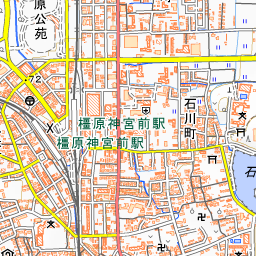
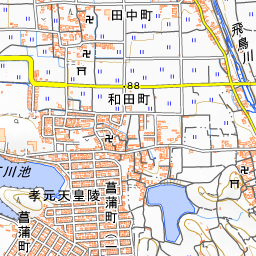
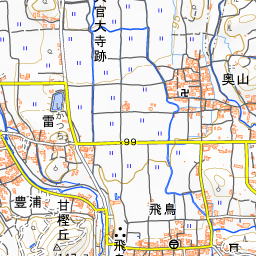
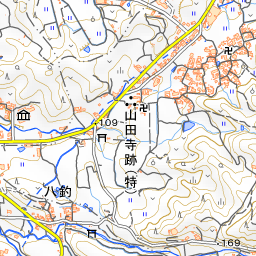
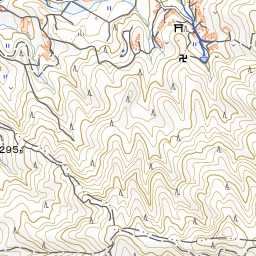
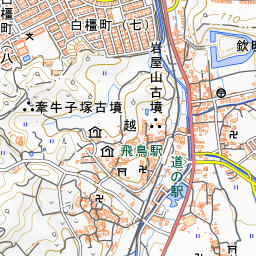
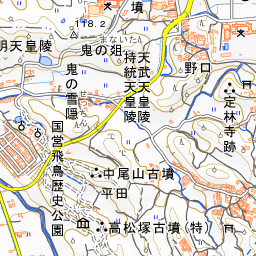
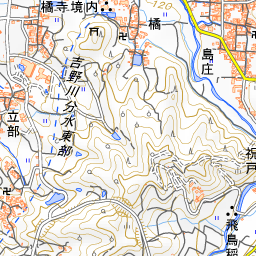
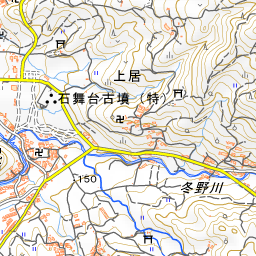
It is just steps away from the "Asuka Daibutsu" bus stop. A recommended route is to worship the Asuka Daibutsu in the main hall and then head out to the west side of the temple to visit Iruka's Head Tomb. Nearby attractions include the Asuka Mizuochi Ruins about 260 meters to the northwest, Amakashi Hill about 430 meters to the west-northwest, Asukaniimasu-jinja Shrine about 260 meters to the east-northeast, and the Nara Prefecture Complex of Man'yo Culture about 250 meters to the southeast. The Asuka Palace Site lies about 590 meters to the south. If you wish to extend your walk, you can visit the Ishibutai Kofun Burial Mound, which is widely considered to be the tomb of Soga no Umako.

Spot location © OpenStreetMap contributors (ODbL)
Open in Google MapsGuides that include this spot (2)
Use asobot while you walk
- See where you are on the map and find spots nearby
- Listen to the guide's audio in course order, one after another (with subtitles)
- Walk to the next spot while following the map
Open on your phone
Scan to open this spot in asobot on your phone.