 ✨ AI Generated
Hochigai-jinja Shrine
Japanese: 方違神社
Sakai Ward, Sakai, Osaka
This information was written by AI and may contain mistakes. Please check official sources for opening hours, fees, and other details before you go.
Found a mistake? Let us know with “✏️ Something's wrong” on this spot's screen in asobot →
🎧 Audio guide(1:14)
In short
A shrine known for its deity who protects against directional misfortunes (hosai-yoke), affectionately called "Hochigai-san." It sits at the boundary of three provinces, Settsu, Kawachi, and Izumi, and because the area was considered a pure land without direction, belonging to none of the provinces, visitors from across the country have come since ancient times to the deity who wards off misfortunes caused by unfavorable directions. The shrine buildings were lost to war damage in 1945 (Showa 20) and rebuilt in 1948 (Showa 23).
- Purified Sand and Chimaki: It has long been believed that stepping onto the soil of Hochigai-jinja Shrine naturally results in katatagae. The purified sand (osuna) is sprinkled at places such as the four corners of a home's property for cleansing, and the chimaki is not for eating, but is an amulet consisting of clay wrapped in komo leaves. The Chimaki Festival is held every year on May 31
- Kurogane Holly Tree: Standing beside the approach to the shrine is a kurogane holly (kuroganemochi), an evergreen tree that grows in warm regions, designated as a Natural Monument of Osaka Prefecture
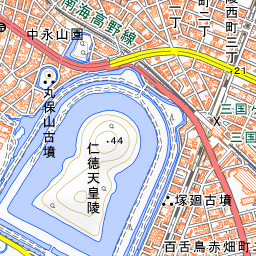
- Neighboring Hanzei-tenno-ryo Kofun Burial Mound: The shrine is located next to Hanzei-tenno-ryo Kofun Burial Mound (Tadeiyama Kofun Burial Mound). It is one of the three imperial mausoleums of Mozu (Mozu Sanryo) and a component of the World Cultural Heritage site
History and Highlights
Hochigai-jinja Shrine is known for its deity who protects against directional misfortunes (hosai-yoke). It is affectionately called "Hochigai-san."
Because the shrine grounds sit at the boundary of three ancient provinces—Settsu, Kawachi, and Izumi—the area was also called "Mikuniyama" or "Mikunigaoka" and was sung of in the Manyoshu (Collection of Ten Thousand Leaves). The name "Sakai" is also said to derive from this boundary of three provinces. Because the area was considered a pure land without direction, belonging to none of the provinces, visitors from across the country have come since ancient times to pray to the deity who wards off misfortunes caused by unfavorable directions. Many people also visit following the custom of katatagae, in which a traveler heads toward another direction first before departing when their desired destination lies in an unlucky direction.
According to the shrine's tradition, it began in the 8th year of Emperor Sujin's reign (90 BCE) when Susanoo-no-kami was enshrined by imperial decree. Legend also holds that Empress Jingu offered clay wrapped in komo (wild rice) leaves as a chimaki and prayed for protection from directional misfortune. In the Nara period, it flourished as an important hub where people and horses came and went, and during the Heian period, it is said that travelers on the Kumano Pilgrimage visited to pray for safe journeys. The shrine buildings were lost to war damage in 1945 and rebuilt in 1948.
Points for Viewing and Experiencing
- Purified Sand and Chimaki: It has long been believed that merely stepping onto the soil of Hochigai-jinja Shrine naturally results in katatagae. The purified sand (osuna) is sprinkled at the four corners of a home's property for cleansing. The chimaki is not for eating, but is an amulet consisting of clay wrapped in komo leaves; the Chimaki Festival is held every year on May 31.
- Kurogane Holly Tree: Standing beside the approach to the shrine is a kurogane holly (kuroganemochi), an evergreen tree that grows in warm regions, designated as a Natural Monument of Osaka Prefecture.
- Neighboring Hanzei-tenno-ryo Kofun Burial Mound: The shrine is located next to Hanzei-tenno-ryo Kofun Burial Mound (Tadeiyama Kofun Burial Mound). It is one of the three imperial mausoleums of Mozu (Mozu Sanryo) and a component of the World Cultural Heritage site.
Walking Tips
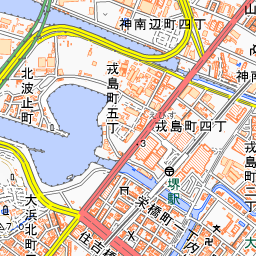
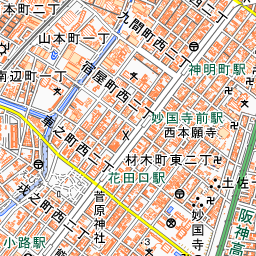
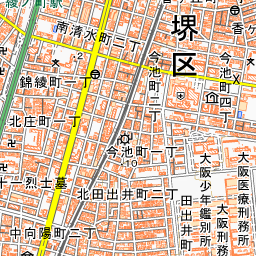
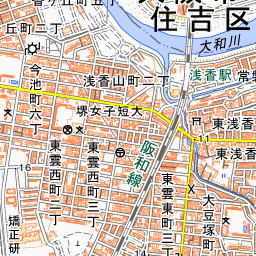
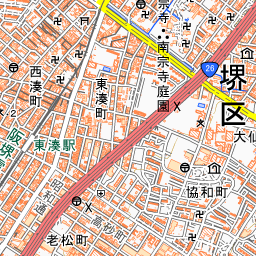
It is about a 5-minute walk from the North-East Exit of Sakaihigashi Station on the Nankai Koya Line, and about a 15-minute walk from Sakaishi Station on the JR Hanwa Line.
Approximately 680 meters to the southwest is Sakai City Hall High-Rise Building Observation Lobby, and about 860 meters to the northwest is Myokoku-ji Temple. Heading about 1.5 kilometers to the south brings you to Daisen Kofun Burial Mound (Nintoku-tenno-ryo Kofun Burial Mound).
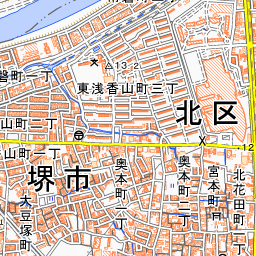


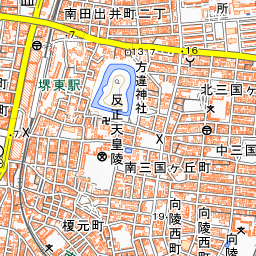
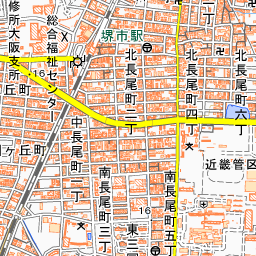
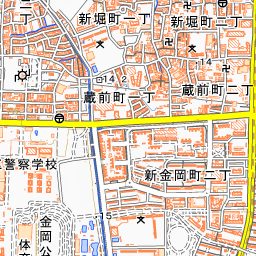
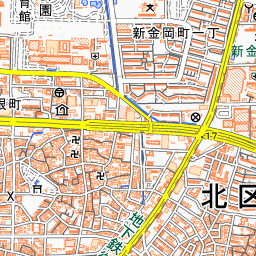
Spot location © OpenStreetMap contributors (ODbL)
Open in Google MapsUse asobot while you walk
- See where you are on the map and find spots nearby
- Listen to the guide's audio in course order, one after another (with subtitles)
- Walk to the next spot while following the map
Open on your phone
Scan to open this spot in asobot on your phone.