 ✨ AI Generated
Joyato Stone Lantern
Japanese: 常夜燈
Fukuyama, Hiroshima
This information was written by AI and may contain mistakes. Please check official sources for opening hours, fees, and other details before you go.
Found a mistake? Let us know with “✏️ Something's wrong” on this spot's screen in asobot →
🎧 Audio guide(1:01)
In short
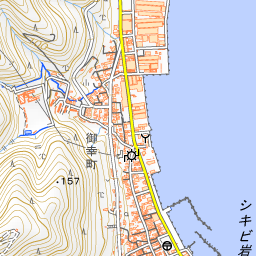
The Joyato Stone Lantern is a large stone lantern standing on the west side of Tomo Port, at the southern edge of the "gangi" stepped landing, and is widely cherished as the symbol of Tomonoura. Built in 1859 during the Ansei era, it served as a lighthouse. It is one of the largest Edo-period harbor stone lanterns remaining in Japan.
- Curvature of the Umbrella and the Sacred Jewel: The upward curve of the umbrella-shaped stone cap and the beautiful shape of the hoju (sacred jewel) resting on the apex have long been loved as symbols of Tomo
- Gangi: A stepped landing constructed so that cargo could be loaded and unloaded regardless of the water level. At low tide, the tiers reveal an appearance reminiscent of an amphitheater
- Layout of an Edo-period port: Viewing the Joyato Stone Lantern, gangi, and hato together provides a clear sense of the layout of an Edo-period port
History and Highlights
The Joyato Stone Lantern is a large stone lantern standing on the west side of Tomo Port, at the southern edge of the "gangi" stepped landing. It is widely cherished as the symbol of Tomonoura. Built in 1859 during the Ansei era, it served as a lighthouse to support the safety of ships entering and leaving the port. Including its stone masonry foundation beneath the sea, its height exceeds 10 meters, making it one of the largest Edo-period harbor stone lanterns remaining in Japan. Locally, it is also called "Torodo," written with the characters for "lantern tower."
Around the Joyato Stone Lantern, several Edo-period port facilities remain, such as the gangi (stepped landing), hato (breakwater), the remains of the tadeba (ship-care facility), and the site of the funabansho (port guard station). Tomo is highly regarded as a port town where these historical elements survive together, and early modern port structures such as the Joyato Stone Lantern and gangi are included among the cultural properties that comprise the Japan Heritage site, "Japan's Foremost Early Modern Port Town Embraced by the Evening Calm of the Seto Inland Sea."
Viewing and Experience Points
- Curvature of the Umbrella and the Sacred Jewel: The upward curve of the umbrella-shaped stone cap and the beautiful shape of the hoju (sacred jewel) resting on the apex have long been loved as symbols of Tomo. Look up from along the waterfront to take in its form.
- Gangi: These are stone steps leading down into the sea from the foot of the Joyato Stone Lantern, serving as a landing area. With tidal variations of up to about 4 meters, it was constructed so that cargo could be loaded and unloaded regardless of the water level. At low tide, the tiers reveal an appearance reminiscent of an amphitheater.
- Hato: This breakwater extends from the edge of the harbor into the sea in a gentle arc. It has protected the port by calming the waves inside the bay. Viewing the Joyato Stone Lantern, gangi, and hato together provides a clear sense of the layout of an Edo-period port.
Walking Tips
The area in front of the Joyato Stone Lantern was once a cargo-unloading area, and stepping just past it leads into a townscape lined with white-walled storehouses that once held goods. Take time to stroll around and visit nearby port town highlights, such as the Irohamaru Museum—housed in a former storehouse—as well as the Ota Family Residence and Fukuzen-ji Temple. Because the appearance of the gangi changes significantly between high tide and low tide, visiting again at a different time of day is also recommended.
Guides that include this spot (1)
Use asobot while you walk
- See where you are on the map and find spots nearby
- Listen to the guide's audio in course order, one after another (with subtitles)
- Walk to the next spot while following the map
Open on your phone
Scan to open this spot in asobot on your phone.