 ✨ AI Generated
Former Kunitachi Station Building
Japanese: 旧国立駅舎
Kunitachi, Tokyo
This information was written by AI and may contain mistakes. Please check official sources for opening hours, fees, and other details before you go.
Found a mistake? Let us know with “✏️ Something's wrong” on this spot's screen in asobot →
🎧 Audio guide(1:09)
In short
The Former Kunitachi Station Building is a structure with a red triangular roof and white walls that comes into view right after exiting the South Exit of JR Kunitachi Station. Built in 1926 and dismantled in 2006, it was reconstructed in 2020 at almost the same location in its original form from when it was first built. Today, it is no longer a railway station, but a municipal public facility that shares the charms of the town.
- Red Triangular Roof: Featuring an asymmetrical triangular roof adorned with Romanesque-style semicircular arched windows.
- Counters in the Grand Hall: The counters that once served as ticket gates and ticket offices have been recreated.
- Pillars Made of Old Rails: Old railway tracks are used as the pillars supporting the eaves.
History and Highlights
The Former Kunitachi Station Building is a Tangible Cultural Property designated by Kunitachi City. It is a wooden station building that served as a symbol of town development in Kunitachi, constructed in 1926.
Its beginnings trace back to the Tokyo University of Commerce (now Hitotsubashi University), whose school buildings collapsed in the Great Kanto Earthquake. The university entered into a contract with Hakone Tochi Co., Ltd., a land development company, to develop an academic city centered around the university campus. Hakone Tochi built the station building and donated it to the Ministry of Railways. Such stations are called "petition stations." The name "Kunitachi" was created by taking the first characters from Kokubunji and Tachikawa, as the station was built midway between the two.
The station opened on April 1, 1926. Prior to its dismantling, it was one of the oldest wooden station buildings in Tokyo, second only to buildings such as Harajuku Station. However, due to elevation work on the JR Chuo Line, it was dismantled in 2006, concluding its 80-year role as a railway station building.
In response to many voices regretting its demolition and donations from across the country, reconstruction work began in 2018. The goal was to restore the building not to its state just before dismantling, but to its original appearance upon completion. It is said that workers enlarged old photographs to count the number of roof tiles and calculate the window dimensions. With the restoration also carried out by shrine carpenters, nearly 70% of the wood was reused. In April 2020, it opened at almost the same location as a hub for sharing the town's charms. It is no longer a train station, but a public facility of the city.
Viewing and Experience Points
- Roof and Windows: The red triangular roof and white walls are elements seen in small cottages of English garden cities. The asymmetrical roof is adorned with Romanesque-style semicircular arched windows. The roof's dormer windows, which had been lost by the time of dismantling, were revived through the reconstruction.
- Pillars under the Eaves: Old railway tracks are used for the pillars supporting the eaves. Some of these are rails from the Yawata Steel Works, and their stamped marks have been made legible.
- Grand Hall and Exhibition Room: The largest hall recreates the semicircular windows as well as the counters that once served as ticket gates and ticket offices. In the exhibition room, panels, models, and videos introduce the building's value as a cultural property and its rarity within the urban planning of the academic city.
Tips for Exploring
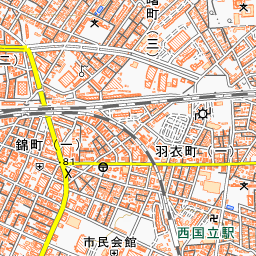
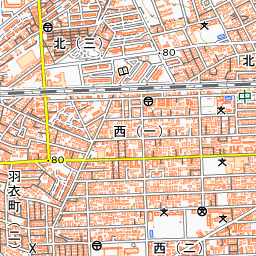
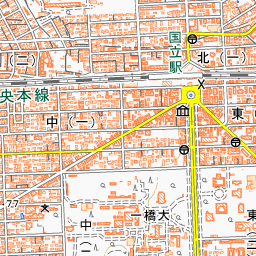
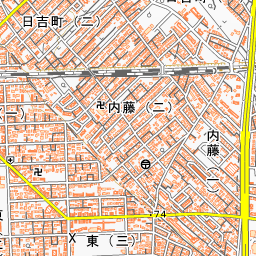
Exit the South Exit of JR Kunitachi Station, and it will appear right before your eyes. Seen from Daigaku-dori Street, which stretches south from the station, the station building marks the end of the street. You can confirm its appearance by walking a short distance down Daigaku-dori Street and looking back. The station square was planned from the beginning of development as a gathering place for people, and pelicans were once kept in the central circular park. At the information counter inside, staff members introduce the town's highlights. Yabo Tenmangu Shrine is located about 2.2 kilometers to the south.
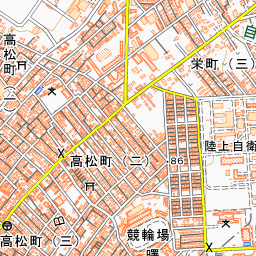
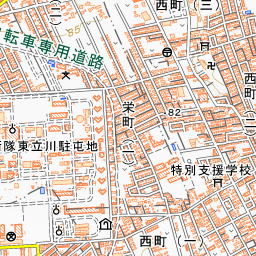
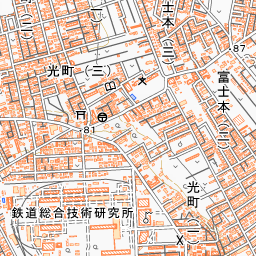

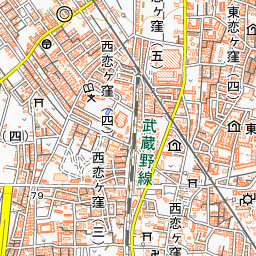
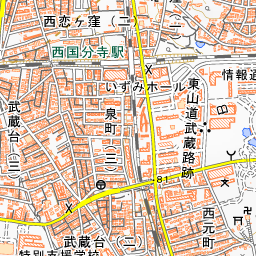
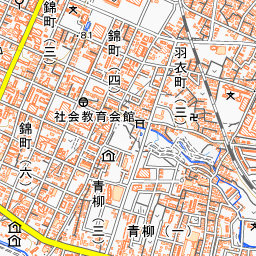
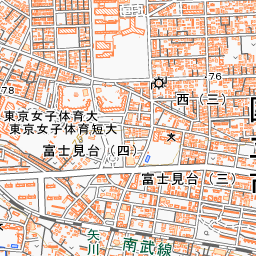
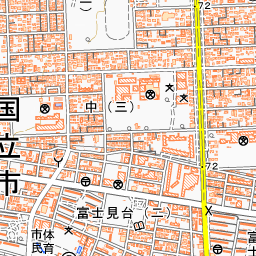
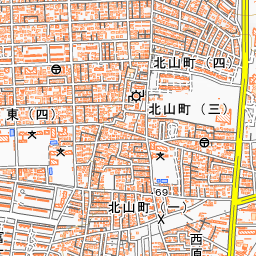
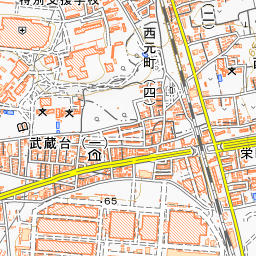
Spot location © OpenStreetMap contributors (ODbL)
Open in Google MapsUse asobot while you walk
- See where you are on the map and find spots nearby
- Listen to the guide's audio in course order, one after another (with subtitles)
- Walk to the next spot while following the map
Open on your phone
Scan to open this spot in asobot on your phone.