 ✨ AI Generated
Zuishin-in Temple
Japanese: 隨心院
Yamashina Ward, Kyoto
This information was written by AI and may contain mistakes. Please check official sources for opening hours, fees, and other details before you go.
Found a mistake? Let us know with “✏️ Something's wrong” on this spot's screen in asobot →
🎧 Audio guide(1:03)
In short
A grand head temple of the Shingon sect's Zentsuji branch. It began in 991 (Shoryaku 2), when High Priest Ningai, an eighth-generation disciple of Kobo Daishi, was granted this land by Emperor Ichijo and founded the temple, which was originally called Gyuhizan Mandara-ji. This area corresponds to Ono-go, where the Ono clan flourished, and Zuishin-in Temple is said to be the site of the residence of the early Heian waka poet Ono no Komachi.
- Items and Historic Sites Associated with Komachi: Handed down inside the hall is the Fumihari Jizo Statue, said to have been made using love letters sent to Komachi as backing paper, and remaining within the grounds are the Fumizuka Mound, where a thousand love letters are said to have been buried, and the Kesho Well, which Komachi is said to have used for makeup
- Important Cultural Property Buddhist Statues: Enshrined in the main hall are the principal image, a seated statue of Nyoirin Kanzeon Bosatsu, a seated statue of Kongo Satta by Kaikei, and a seated statue of Amida Nyorai said to be by Jocho; all of them are Important Cultural Properties
- Ono Plum Garden and Hanezu Odori: Approximately 200 plum trees are planted, including pale pink hanezu plums known for their late blooming, as well as white and red plums. Every year on the last Sunday of March, the "Hanezu Odori" is held, based on the legend that Fukakusa no Shosho paid visits for a hundred nights out of love for Komachi
History and Highlights
Zuishin-in Temple is a grand head temple (daihonzan) of the Shingon sect's Zentsuji branch. In 991 (Shoryaku 2), High Priest Ningai, an eighth-generation disciple of Kobo Daishi, was granted this land by Emperor Ichijo and founded the temple, which was originally called Gyuhizan Mandara-ji. This name comes from the story that High Priest Ningai learned in a dream that his deceased mother had been reborn as a cow; he kept that cow, and when it died shortly thereafter, he drew the sacred images of the Mandala of the Two Realms on its hide and made it the principal image. Because High Priest Ningai performed rituals praying for rain at Shinsenen Garden nine times and it rained each time, he was also called the Rain Priest (Ame Sojo).
Later, Zuishin-in was built as a sub-temple of Mandara-ji, and in 1229 (Kanki 1), it received an imperial decree designating it as a monzeki (a temple whose head priest was of imperial or noble lineage) from Emperor Gohorikawa, coming to be known as Zuishin-in Monzeki. Although the halls were lost in warfare, the main hall was rebuilt in 1599 (Keicho 4), and after that, head priests entered the monzeki from the Kujo and Nijo families.
This area corresponds to Ono-go, where the Ono clan—which produced Ono no Imoko and Ono no Takamura—flourished, and Zuishin-in Temple is said to be the site of the residence of Ono no Komachi, a waka poet of the early Heian period. The grounds are designated as a National Historic Site.
Sights and Experiences
- Items and Historic Sites Associated with Komachi: Handed down inside the hall are the Fumihari Jizo Statue, said to have been made using love letters sent to Komachi as backing paper, and the "Gokusaishiki Umeiro Komachi Ezu," a set of four fusuma sliding door paintings dedicated in 2009 by the painting unit Daruma Shoten. Remaining within the grounds are the Fumizuka Mound, where a thousand love letters are said to have been buried, and the Kesho Well, which Komachi is said to have used for makeup.
- Important Cultural Property Buddhist Statues: Enshrined in the main hall are the principal image, a seated statue of Nyoirin Kanzeon Bosatsu, a seated statue of Kongo Satta by Kaikei, and a seated statue of Amida Nyorai said to be by Jocho; all of them are Important Cultural Properties.
- Ono Plum Garden and Hanezu Odori: In the Ono Plum Garden, approximately 200 plum trees are planted, including pale pink hanezu plums known for their late blooming, as well as white and red plums. "Hanezu" is an ancient word referring to a pale pink color. Every year on the last Sunday of March, the "Hanezu Odori" is held, based on the legend that Fukakusa no Shosho paid visits for a hundred nights out of love for Komachi, and local elementary school girls perform the dance dressed as Komachi and the Shosho.
Tips for Exploring
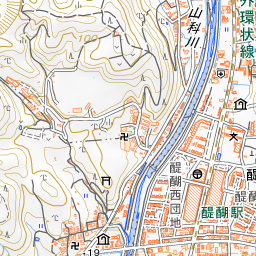
It is about a 5-minute walk from Ono Station on the Tozai Subway Line. In the temple precincts, there are flowering trees and foliage such as cherry blossoms, rhododendrons, azaleas, autumn foliage, and ginkgo, offering changing scenery throughout the year. About 800 meters west-northwest is Kaju-ji Temple.
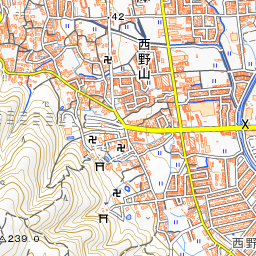
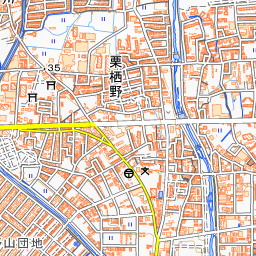
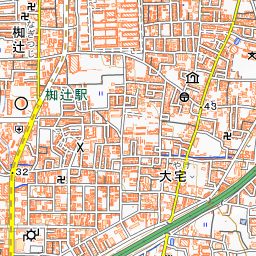
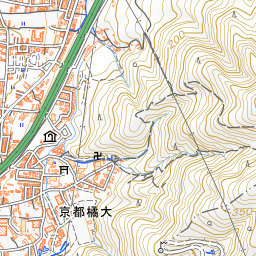
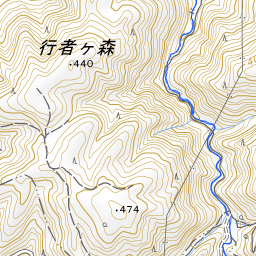
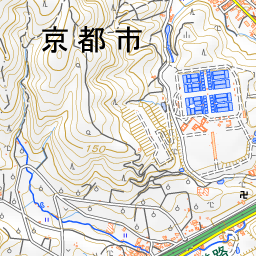
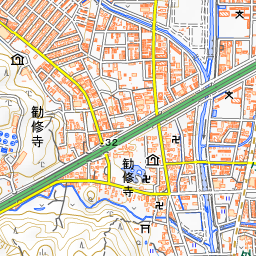
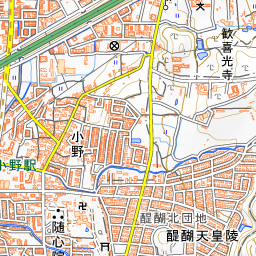
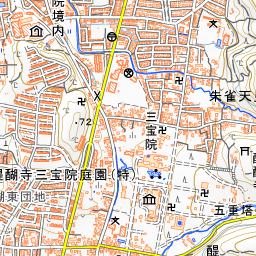
Spot location © OpenStreetMap contributors (ODbL)
Open in Google MapsGuides that include this spot (1)
Use asobot while you walk
- See where you are on the map and find spots nearby
- Listen to the guide's audio in course order, one after another (with subtitles)
- Walk to the next spot while following the map
Open on your phone
Scan to open this spot in asobot on your phone.