 ✨ AI Generated
Kaisenkyo Rotating Bridge
Japanese: 廻旋橋
Miyazu, Kyoto
This information was written by AI and may contain mistakes. Please check official sources for opening hours, fees, and other details before you go.
Found a mistake? Let us know with “✏️ Something's wrong” on this spot's screen in asobot →
🎧 Audio guide(1:16)
In short
The Kaisenkyo Rotating Bridge is an unusual bridge that rotates 90 degrees each time a boat passes, connecting Amanohashidate with the mainland where the Monjudo Hall stands. It was built in 1923 as a manually operated bridge, and as more large boats began passing, it was converted to an electric system in May 1960.
- A bridge that rotates 90 degrees: When boats pass, the bridge rotates 90 degrees to clear the waterway. On busy days, it rotates about 50 times a day, and it has also become a popular photo spot
- Freely crossable under normal conditions: When it is not rotating, pedestrians can walk across freely. Passage is closed while it is rotating, and it may not rotate depending on boat operating conditions
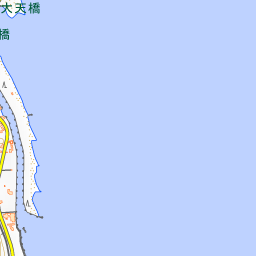
- Entrance to the sandbar: Across the bridge is the sandbar section known as Shotenkyo, which is also connected by a bridge to the sandbar of Daitenkyo further ahead, allowing you to walk toward the pine grove of Amanohashidate
History and Highlights
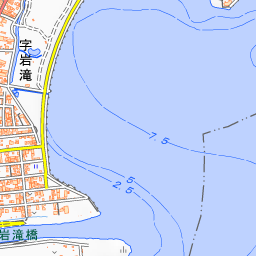
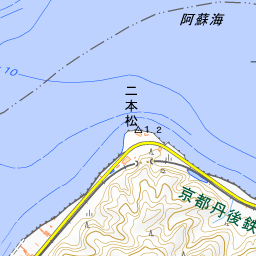
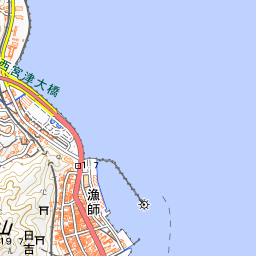
The Kaisenkyo Rotating Bridge is an unusual bridge that rotates 90 degrees each time a boat passes, connecting Amanohashidate with the mainland where the Monjudo Hall stands. In materials from Kyoto Prefecture, it is also referred to as Shotenkyo. The outer sea of Miyazu Bay and the inner Aso Sea connect through a narrow section of the Monju Waterway, where this bridge is located.
As the sandbar of Amanohashidate extended, the waterway connecting Miyazu Bay and the Aso Sea became easily clogged with sand, posing serious problems for boat traffic. Therefore, in 1914, Kyoto Prefecture severed the sandbar extending southward at its midpoint to secure a navigation route, excavating and widening the narrow channel to complete the Monju Waterway. In 1923, a manually operated rotating bridge was built, but as more large boats began passing beneath the bridge, it was converted to an electric system in May 1960.
Highlights for Viewing and Experiencing
- A bridge that rotates 90 degrees: When boats traveling between the Aso Sea and Miyazu Bay pass through, the bridge rotates 90 degrees to clear the waterway. On busy days, it rotates about 50 times a day, delighting visitors and serving as a popular photo spot.
- Freely crossable under normal conditions: When it is not rotating, pedestrians can walk across freely. Passage is closed while it is rotating, but Kyoto Prefecture's guide notes that waiting can also be considered part of the Amanohashidate experience.
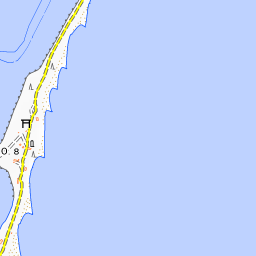
- Entrance to the sandbar: After crossing the Kaisenkyo Rotating Bridge, you reach the sandbar section known as Shotenkyo. Shotenkyo is connected by another bridge to the sandbar section called Daitenkyo further ahead, allowing visitors to walk toward the pine grove of Amanohashidate.
Tips for Exploring
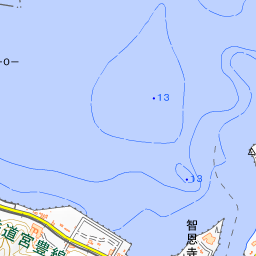
It is about a 5-minute walk from Amanohashidate Station on the Kyoto Tango Railway. The bridge rotates irregularly when large vessels pass, and it also turns when sightseeing boats pass through. It may not rotate depending on boat operating conditions. Nearby stands the Chie-no-wa stone lantern, and it is approximately 150 meters to Chion-ji Temple and about 200 meters to Amanohashidate Onsen Chie-no-Yu.


Use asobot while you walk
- See where you are on the map and find spots nearby
- Listen to the guide's audio in course order, one after another (with subtitles)
- Walk to the next spot while following the map
Open on your phone
Scan to open this spot in asobot on your phone.