 ✨ AI Generated
Adashino Nenbutsu-ji Temple
Japanese: 化野念仏寺
Ukyo Ward, Kyoto
This information was written by AI and may contain mistakes. Please check official sources for opening hours, fees, and other details before you go.
Found a mistake? Let us know with “✏️ Something's wrong” on this spot's screen in asobot →
🎧 Audio guide(1:04)
In short
Adashino Nenbutsu-ji Temple is a Jodo sect temple at the foot of the mountains in Okusaga, deep within Arashiyama. Adashino has been considered a burial ground since the Heian period. According to temple tradition, the temple is said to have begun about 1,200 years ago, when Kobo Daishi Kukai founded it to memorialize the people buried in this land.
- Sai-no-Kawara: About 8,000 stone Buddhas and stone pagodas stand here. They are the graves of muenbotoke (unconnected spirits) that had been scattered and buried in the fields and mountains of Adashino, gathered by local residents in the mid-Meiji period
- Sento Kuyo Memorial Service: Every year, on the evenings of the last Saturday and Sunday of August, candles are lit and offered to the muenbotoke at Sai-no-Kawara
- Bamboo grove and stupa: A grove of moso bamboo extends into the inner part of the grounds, and on the east side stands a dome-shaped stupa modeled after the Buddhist stupa that remains in Sanchi, India
History and Highlights
Adashino Nenbutsu-ji Temple is a Jodo sect temple located at the foot of the mountains in Okusaga, deep within Arashiyama. Its official name is Kasaizan Tozen'in Nenbutsu-ji, and it is also affectionately known by the name "Adashino Nenbutsu-ji."
Adashino has been considered a burial ground since the Heian period and has been known alongside Toribeno in the east and Rendaino in the north. Initially, wind burial (exposure) was practiced, but it later transitioned to earth burial, and people began to dedicate stone Buddhas and stone pagodas. "Adashi" means fleeting or vain, and in waka poetry, "the dew of Adashino" has been used as an expression signifying the transience of life.
According to temple tradition, its origin traces back approximately 1,200 years ago when Kobo Daishi Kukai founded Gochizan Nyorai-ji Temple to memorialize those buried in this land. Later, Honen Shonin, the founder of the Jodo sect, made it a nenbutsu training center. The current main hall was rebuilt in 1712 (Shotoku 2) by the priest Jakudo, and the principal image enshrined is a seated statue of Amida Nyorai said to be the work of Tankei from the Kamakura period.
Viewing and Experience Highlights
- Sai-no-Kawara: In the middle of the grounds lies the "Sai-no-Kawara," where approximately 8,000 stone Buddhas and stone pagodas stand. These are the graves of people who became muenbotoke (unconnected spirits), which had been scattered and buried in the fields and mountains of Adashino, gathered by local residents in the mid-Meiji period. Arranged to face the central thirteen-story pagoda and the seated statue of Amida Nyorai, they are likened to people listening to the sermon of Amida Buddha in the Pure Land. The name derives from "Sai-no-Kawara" (the riverbed of the underworld).
- Sento Kuyo Memorial Service: Held in the evening on the last Saturday and Sunday of August every year, the Sento Kuyo Memorial Service lights candles in offering to the muenbotoke at Sai-no-Kawara. It originated in the mid-Meiji period as a memorial service for the gathered stone Buddhas and stone pagodas.
- Bamboo Grove and Stupa: A grove of moso bamboo extends into the inner part of the temple grounds, where stairs lead up through the greenery. On the east side of the grounds stands a dome-shaped stupa modeled after the Buddhist stupa remaining in Sanchi, India.
Visiting Tips
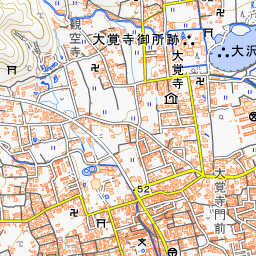
It is about a 5-minute walk after getting off at the "Toriimoto" stop on the Kyoto Bus. The temple is located along the old approach path leading toward Atago-jinja Shrine, and along this road stretches the traditional townscape of Saga Toriimoto. Gio-ji Temple is located about 430 meters to the southeast. As this is a place of memorial honoring those buried in this land, please visit and pray quietly within the grounds.
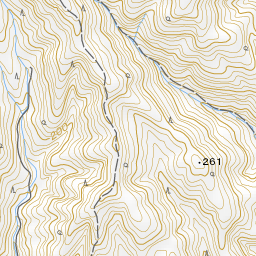
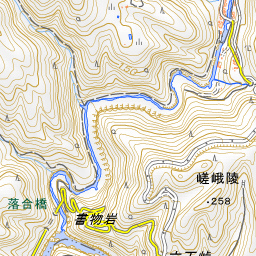
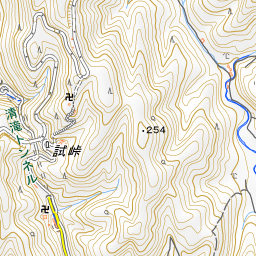
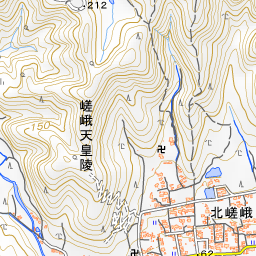
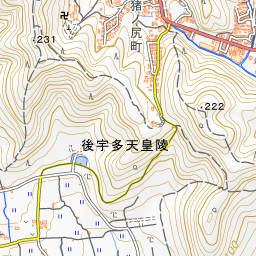
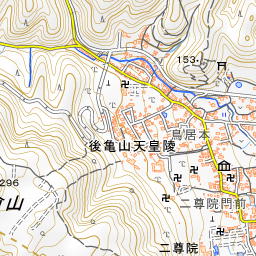
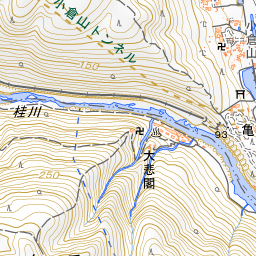
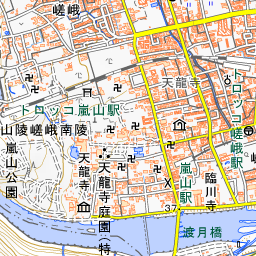
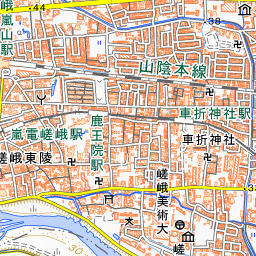
Spot location © OpenStreetMap contributors (ODbL)
Open in Google MapsGuides that include this spot (1)
Use asobot while you walk
- See where you are on the map and find spots nearby
- Listen to the guide's audio in course order, one after another (with subtitles)
- Walk to the next spot while following the map
Open on your phone
Scan to open this spot in asobot on your phone.