 ✨ AI Generated
Shorin-ji Temple
Japanese: 聖林寺
Sakurai, Nara
This information was written by AI and may contain mistakes. Please check official sources for opening hours, fees, and other details before you go.
Found a mistake? Let us know with “✏️ Something's wrong” on this spot's screen in asobot →
🎧 Audio guide(1:10)
In short
Shorin-ji Temple is a temple said to have been founded in the Nara period, located approximately 2.6 kilometers south of Sakurai Station. It is known for its Standing Statue of the Eleven-headed Kannon, designated as a National Treasure. Until it was moved in 1868 (Keio 4), this statue was enshrined at Daigorin-ji Temple, the jinguji (shrine-temple) of Omiwa-jinja Shrine.
- National Treasure Eleven-headed Kannon: A wood-core dry-lacquer statue from the Nara period, standing 209 centimeters tall. It has been compared to the Venus de Milo.
- Large Jizo for Safe Childbirth: The principal image, Koyasu Enmei Jizo, is a stone Buddha statue created in the mid-Edo period by the monk Bunshun.
- Temple Grounds Overlooking Mt. Miwa: From the grounds, visitors can look out over the Yamato Basin, including Mt. Miwa and the Hashihaka Tomb.
History and Highlights
The founding of Shorin-ji Temple is said to date back to 712 (Wado 5) during the Nara period. It is passed down that Joe, the eldest son of Fujiwara no Kamatari, built it as a branch temple of Tanzan Myoraku-ji Temple (now Tanzan-jinja Shrine). It was originally called Henjo-in and was renamed Shorin-ji Temple during the Kyoho era (1716–1736).
The principal image is Koyasu Enmei Jizo. In the mid-Edo period, Bunshun, a monk of the temple, created it to pray for women's safe childbirth. Bunshun spent 4 years and 7 months collecting pious donations through mendicant begging (takuhatsu) to erect this large stone Jizo. It is characterized by fair skin, crescent-shaped eyebrows, and lips that retain traces of crimson. Since then, it has been affectionately regarded as a Jizo for safe childbirth and conception.
What made the temple widely known is its National Treasure Standing Statue of the Eleven-headed Kannon. A prevailing theory holds that it was made in the 760s at the sculpting workshop of Todai-ji Temple. It is a wood-core dry-lacquer statue with a height of 209 centimeters. Originally, it was the principal image of Daigorin-ji Temple, the oldest jinguji of Omiwa-jinja Shrine. It is said to have been moved to Shorin-ji Temple in 1868 (Keio 4) to escape destruction under the anti-Buddhist movement (haibutsu kishaku) triggered by the order separating Shinto and Buddhism. In 1887 (Meiji 20), the American philosopher Fenollosa lifted the ban on this hidden Buddhist image (hibutsu), revealing its form to the public for the first time. Under the new system in 1951 (Showa 26), it was designated among the very first group of National Treasures. The philosopher Watsuji Tetsuro also praised the beauty of this statue in his work Koji Junrei (Pilgrimage to Ancient Temples).
Viewing and Experience Highlights
- Kannon-do Hall for the Eleven-headed Kannon: The Kannon statue is enshrined in the Kannon-do Hall, reached by climbing stairs behind the main hall. Take note of its well-proportioned body, rich facial features, and varied fingertips. This statue has been compared to the Venus de Milo.
- Fenollosa's Zushi (Miniature Shrine): Beside the main hall is a zushi donated for the Kannon statue by Fenollosa and others. It is fitted with pulleys inside, designed to allow the statue to be carried outside in the event of a fire.
- View from the Main Hall: From the main hall, one can see Mt. Miwa, where the Kannon statue was originally located. From the temple grounds, one can also look out over the Hashihaka Tomb, which is also said to be the tomb of Himiko, as well as the area around the Yamanobe-no-Michi Path.
Strolling Tips
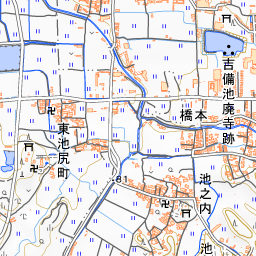
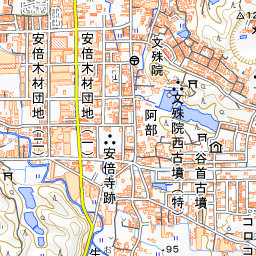
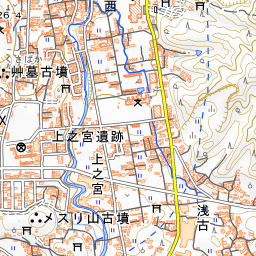
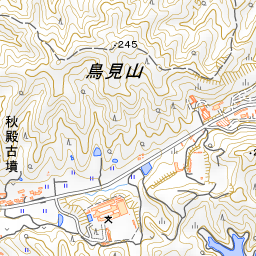
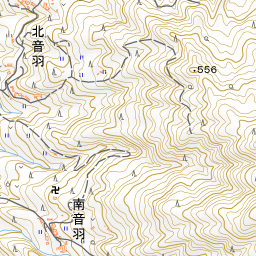
The temple is about 2.6 kilometers south of the Kintetsu and JR Sakurai Station. Take the Nara Kotsu bus bound for Tanzan-jinja Shrine from Sakurai Station and get off at "Shorin-ji," which is right nearby. You can also head toward Tanzan-jinja Shrine on the same bus. When traveling by car, car navigation systems may direct you along a narrow road via the Old Shorin-ji Bridge, so follow the temple's signs to use the parking area beyond the New Shorin-ji Bridge. Abe Monju-in Temple is about 1.6 kilometers to the northwest. On the mountain behind the temple, there is a pilgrimage route, established during the Taisho period and modeled after the Shikoku 88 Temple Pilgrimage, that takes about 1 hour for a full circuit.


Guides that include this spot (1)
Use asobot while you walk
- See where you are on the map and find spots nearby
- Listen to the guide's audio in course order, one after another (with subtitles)
- Walk to the next spot while following the map
Open on your phone
Scan to open this spot in asobot on your phone.