 ✨ AI Generated
Shofuku-ji Temple
Japanese: 正福寺
Higashimurayama, Tokyo
This information was written by AI and may contain mistakes. Please check official sources for opening hours, fees, and other details before you go.
Found a mistake? Let us know with “✏️ Something's wrong” on this spot's screen in asobot →
🎧 Audio guide(1:02)
In short
Shofuku-ji Temple is a temple of the Kencho-ji branch of Rinzai Zen Buddhism, located in Noguchi-cho, Higashimurayama City. The Jizo-do hall on the temple grounds is the only wooden building in Tokyo designated as a National Treasure, and it is known to have been built in 1407. According to the temple's founding legend, it is said to have been founded by Hojo Tokimune. It is also called the Sentai Jizo-do (Hall of One Thousand Jizo), named after the small Jizo statues enshrined inside.
- National Treasure Jizo-do: Along with the Shariden (relic hall) of Engaku-ji Temple in Kamakura, it is a representative surviving example of Zenshuyo (Zen style) architecture.
- Zenshuyo architectural style: Characteristic features can be seen in the upward-curving eaves at the roof corners, the yumi-ranma (bow-shaped transoms), and the kato-mado (cusped windows).
- Sentai Ko-Jizo (One Thousand Small Jizo): These small Jizo statues are said to have been dedicated along with an additional one once a prayer was answered. It is said that their number eventually reached around one thousand.
History and Highlights
Shofuku-ji Temple, bearing the mountain name Kongosan, is a temple of the Kencho-ji branch of Rinzai Zen Buddhism located in Noguchi-cho, Higashimurayama City. According to the temple's founding legend, Hojo Tokimune, the regent of the Kamakura Shogunate, visited this area for falconry and fell critically ill. It is said that after receiving a medicine pill from Jizo Bosatsu (Ksitigarbha Bodhisattva) in a dream, his illness was cured, which led to the founding of the temple. According to temple tradition, it was established in 1278 (the first year of the Koan era).
The Jizo-do on the grounds was also long believed to date from around this time. However, an ink inscription (bokusho-mei) was discovered during dismantling and repair work carried out between 1933 and 1934, revealing that it was built in 1407 (the 14th year of the Oei era) during the Muromachi period.
The Jizo-do was designated as a National Treasure in 1952 under the Law for the Protection of Cultural Properties. It is the only wooden structure in Tokyo designated as a National Treasure and, along with the Shariden of Engaku-ji Temple in Kamakura, is considered a representative example of Zenshuyo architecture.
There is a brief story behind its roof. When researchers recognized the building's value in 1927, the roof was thatched. During the survey for the dismantling and repair, fragments of kokera wooden shingles were found, and the upper roof was restored to a kokera-buki (wood-shingle) roof. Kokera-buki is a roofing method where thin wooden shingles are layered with slight overlaps and secured with bamboo nails.
Viewing and Experience Highlights
- Observe the shapes of the roof and windows: Standing approximately 10 meters tall, this wooden hall draws the eye with a roof whose four corners curve upward significantly. The yumi-ranma with wave-shaped decorations and the kato-mado with rounded upper window frames are also typical features of the Zen style.
- Learn about the story of the Sentai Ko-Jizo: It is said that worshippers would borrow a small Jizo statue to take home, and once their wish came true, they would return it together with another statue they had added. In this way, their number is said to have grown to about one thousand, and statues ranging from about 10 cm to 30 cm in size are lined up. Ink inscriptions on the backs include place names such as Tokorozawa, Kokubunji, and Koganei, indicating how widely this faith spread.
- See the Jowa Itabi (Stone Tablet): One of the largest stone tablets in Tokyo, it stands about 285 centimeters high. It was once used as a bridge girder over the Maekawa River and was referred to as the "Kyomon-bashi" (Sutra Bridge) or "Nembutsu-bashi" (Prayer Bridge). Today, it is housed in a preservation hall within the temple grounds.
Tips for Exploring
Shofuku-ji Temple is about a 10-minute walk from the West Exit of Higashimurayama Station. The exterior of the Jizo-do can be viewed at any time. Public openings of the hall's interior are limited; the city announces openings for the Iris Festival on the second Sunday of June, on August 8 (general open day), and for the Jizo Festival on November 3. Openings may be canceled on rainy days. Because the floor is earthen, please enter wearing flat-soled shoes.
On the second Sunday of June, the day of the opening, Japanese irises reach their peak bloom at Kitayama Park, which is about a 5-minute walk away. If you wish to learn about the interior of the hall on other days, visit the Higashimurayama Furusato Museum, about a 10-minute walk away. There you will find a 1:20 scale model showing the inside of the Jizo-do as well as explanatory videos.
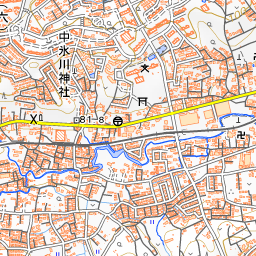
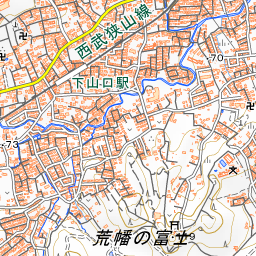
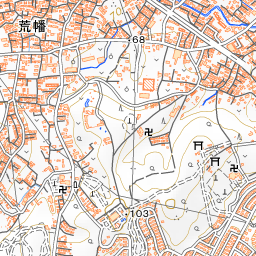
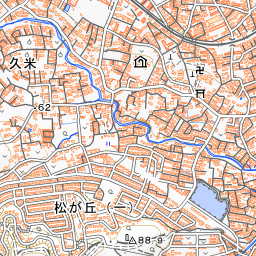
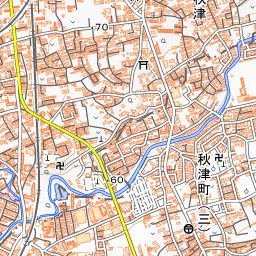
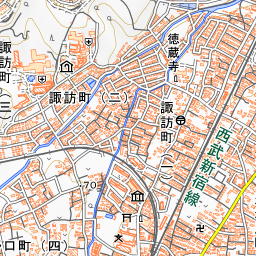
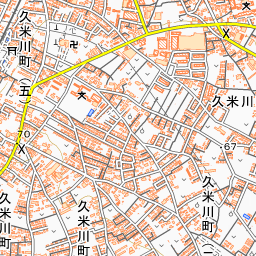
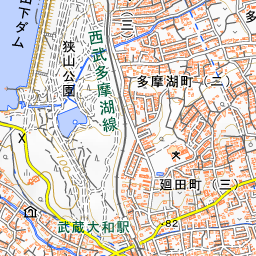
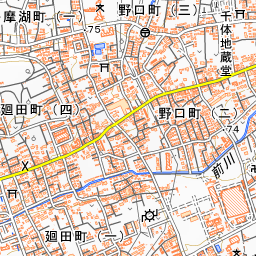
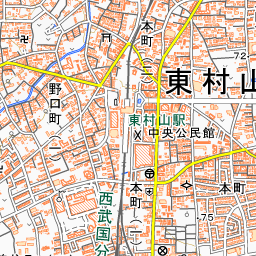
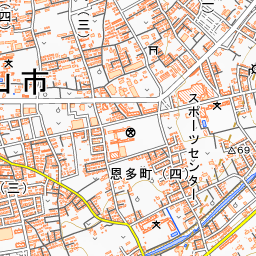
Spot location © OpenStreetMap contributors (ODbL)
Open in Google MapsGuides that include this spot (1)
Use asobot while you walk
- See where you are on the map and find spots nearby
- Listen to the guide's audio in course order, one after another (with subtitles)
- Walk to the next spot while following the map
Open on your phone
Scan to open this spot in asobot on your phone.