 ✨ AI Generated
Shoji-ji Temple (Hana-no-Tera)
Japanese: 勝持寺 (花の寺)
Nishikyo Ward, Kyoto
This information was written by AI and may contain mistakes. Please check official sources for opening hours, fees, and other details before you go.
Found a mistake? Let us know with “✏️ Something's wrong” on this spot's screen in asobot →
🎧 Audio guide(0:59)
In short
A Tendai sect temple at the foot of Mt. Oshio in Oharano. According to temple tradition, it was founded in 679 (Hakuho 8) by En no Gyoja, and Dengyo Daishi Saicho later rebuilt its halls and pagoda. Toward the end of the Heian period, a Hokumen no Bushi palace guard entered the priesthood at this temple and took the name Saigyo, and after the cherry tree that Saigyo planted and cherished, the temple came to be called "Hana-no-Tera."
- Saigyo-zakura and the Temple's Cherry Blossoms and Autumn Foliage: The Saigyo-zakura near the bell tower is the third-generation tree. The grounds have about 100 cherry trees, and about as many Japanese maples also turn color
- Buddhist Statues of Rurikoden Hall: Statues designated as national Important Cultural Properties are enshrined here, including the principal image of Yakushi Nyorai in an unusual posture, pinching medicine from the medicine jar in its left hand with its right hand, and statues of Kongo Rikishi
- Niomon Gate and Kagami-ishi Stone: There are the Niomon Gate, the temple's oldest building, which escaped the fires of the Onin War, and the Kagami-ishi Stone, which Saigyo is said to have used when shaving his head
History and Highlights
Shoji-ji Temple is a temple of the Tendai sect located at the foot of Mt. Oshio in Oharano. According to temple tradition, it was founded in 679 (Hakuho 8) by En no Gyoja on the orders of Emperor Tenmu. In 791 (Enryaku 10), Dengyo Daishi Saicho rebuilt the temple halls and pagoda by order of Emperor Kanmu and carved a statue of Yakushi Ruriko Nyorai (the Medicine Buddha) as the principal image. In 838 (Jowa 5), 49 sub-temples were constructed by order of Emperor Ninmyo, but all of them were destroyed by the flames of war during the Onin War, except for the Niomon Gate. The present buildings were rebuilt after the war.
In 1140 (Hoen 6), toward the end of the Heian period, a warrior of the Hokumen no Bushi (palace guard) serving Retired Emperor Toba entered the Buddhist priesthood at this temple, took the name Saigyo, and built a hermitage. People came to call the single cherry tree that Saigyo planted and cherished "Saigyo-zakura," and they began referring to the temple as "Hana-no-Tera Temple" (the Temple of Flowers).
Sights and Experiences
- Saigyo-zakura and the Temple's Cherry Blossoms and Autumn Foliage: The Saigyo-zakura standing near the bell tower is the third-generation tree descended from the one planted by Saigyo. The temple grounds feature about 100 cherry trees of several varieties; the majority are Yoshino cherry trees, which usually reach full bloom in early April. An almost equal number of Japanese maple trees grow naturally on the grounds, with their foliage typically turning color in mid-November.
- Buddhist Statues of Rurikoden Hall: Rurikoden Hall, which houses the temple treasures, enshrines the principal image of Yakushi Nyorai in an unusual posture—pinching medicine from the medicine jar in its left hand with its right hand—along with a 9.1-centimeter-tall statue of Yakushi Nyorai found inside its cavity, and 3-meter-tall statues of Kongo Rikishi that were originally in the Niomon Gate. All of these are designated as national Important Cultural Properties. Statues of Nikko Bosatsu and Gakko Bosatsu, statues of the Twelve Heavenly Generals, and a statue of the monk Saigyo are also enshrined here.
- Niomon Gate and Kagami-ishi Stone: Standing about 500 meters to the southeast at the start of the approach, the Niomon Gate is the temple's oldest building, having escaped the fires of the Onin War. In front of the Fudo-do Hall are the lustrous Kagami-ishi Stone, which Saigyo is said to have used as a mirror when shaving his head, and a small pond called "Saigyo Sugatami-no-ike."
Tips for Exploring
Take a Hankyu Bus from Hankyu Higashi-Muko Station or JR Mukomachi Station, get off at the final stop, Minamikasuga-cho, and walk about 1.1 kilometers. Oharano-jinja Shrine is located about 400 meters to the east, and Shobo-ji Temple is about 500 meters to the southeast, making it easy to visit them together.
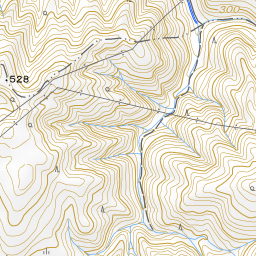
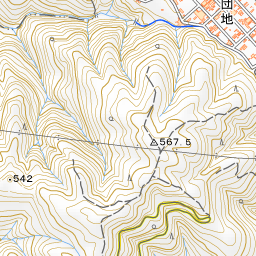


Spot location © OpenStreetMap contributors (ODbL)
Open in Google MapsGuides that include this spot (1)
Use asobot while you walk
- See where you are on the map and find spots nearby
- Listen to the guide's audio in course order, one after another (with subtitles)
- Walk to the next spot while following the map
Open on your phone
Scan to open this spot in asobot on your phone.