 ✨ AI Generated
Rokusonno-jinja Shrine
Japanese: 六孫王神社
Minami Ward, Kyoto
This information was written by AI and may contain mistakes. Please check official sources for opening hours, fees, and other details before you go.
Found a mistake? Let us know with “✏️ Something's wrong” on this spot's screen in asobot →
🎧 Audio guide(1:07)
In short
A shrine dedicated to Minamoto no Tsunemoto, who is considered the founder of the Seiwa Genji clan. The shrine is said to have begun when Tsunemoto left a will stating that his spirit would become a dragon, inhabit the pond of Nishi-Hachijo, and pray for the prosperity of his descendants, asking to be buried here, and his eldest son, Minamoto no Mitsunaka, buried his remains here and built a shrine building in front of the site. The current main hall (honden) and worship hall (haiden) were rebuilt during the era of Tokugawa Tsunayoshi, the fifth shogun of the Edo shogunate.
- Shinryu Pond and Cherry Blossoms: Various varieties of cherry trees are planted around Shinryu Pond in the center of the grounds. The Gyoiko, planted along the pond in 1966 (Showa 41), is a satozakura cherry whose slightly greenish-white petals show a crimson line in the center when in full bloom
- Tanjosui Benzaiten Shrine: It is said that when Mitsunaka was born, Benzaiten was invited over the well from Chikubushima Island in Lake Biwa to pray for a safe delivery, and the water was used for his first bath. On June 13, the Kaicho Festival (public unveiling of the deity) for Benzaiten is held
- Hoei Festival: Because the reconstruction of the main hall and worship hall began in the Genroku era and was completed during the Hoei era, the annual festival in October is also called the "Hoei Festival"
History and Highlights
Rokusonno-jinja Shrine is dedicated to Minamoto no Tsunemoto, who is considered the founder of the Seiwa Genji clan. Tsunemoto was the son of Imperial Prince Sadazumi, the sixth son of Emperor Seiwa. In the imperial court, he was called Rokusonno, combining the "roku" (six) of the sixth son with the "son" (grandchild) of the emperor's grandchild. Later, he was granted the Minamoto surname, joining the ranks of subjects, and is said to have served as an imperial pursuit-and-suppression commissioner (tsuitoshi) during the Johei and Tengyo Rebellions before being appointed Chinju-fu Shogun (Commander-in-Chief of the Northern Defense).
Tsunemoto built a residence on this land, and before his death, he left a will stating that his spirit would become a dragon, inhabit the pond of Nishi-Hachijo, and pray for the prosperity of his descendants, requesting to be buried here. The shrine is said to have begun when his eldest son, Minamoto no Mitsunaka, buried his remains here and built a shrine building in front of the site. Behind the main hall (honden) is a stone-built sacred tomb.
The current main hall and worship hall (haiden) were rebuilt during the era of Tokugawa Tsunayoshi, the fifth shogun of the Edo shogunate. Because the reconstruction began in the Genroku era and was completed during the Hoei era, the annual festival in October is also called the "Hoei Festival." Many military commanders emerged from Tsunemoto's descendants, including Minamoto no Yoritomo, the Ashikaga, the Nitta, and the Tokugawa.
Highlights for Viewing and Experiencing
- Shinryu Pond and Cherry Blossoms: The pond in the center of the grounds is called Shinryu Pond. Various varieties of cherry trees are planted around the pond, with Somei Yoshino cherry trees occupying the eastern side of the pond.
- Tanjosui Benzaiten Shrine: This auxiliary shrine is located beside Shinryu Pond. It is said that when Mitsunaka was born, Benzaiten was invited from Chikubushima Island in Lake Biwa to the well to pray for a safe delivery, and the water was used for his first bath. On June 13, the Kaicho Festival (public unveiling of the deity) for Benzaiten is held.
- Gyoiko Cherry Blossoms: Along Shinryu Pond beside the approach path, satozakura cherry trees known as Gyoiko were planted on the occasion of the Great Festival commemorating the grounds' refurbishment in 1966. In full bloom, a crimson line appears in the center of their slightly greenish-white petals.
Strolling Tips
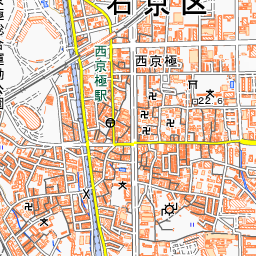
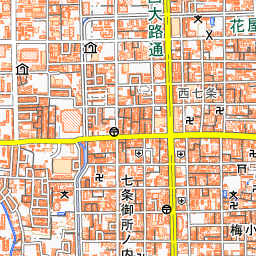
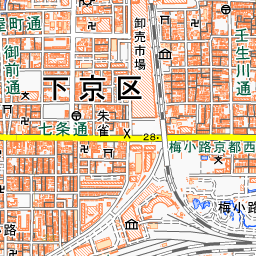
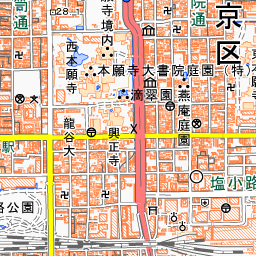
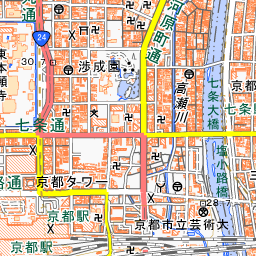
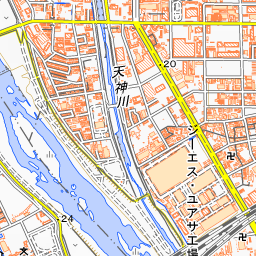
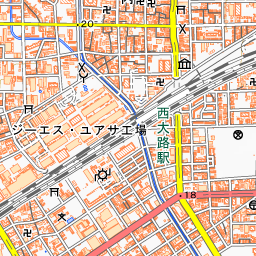
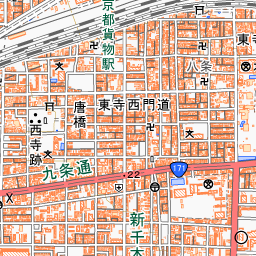
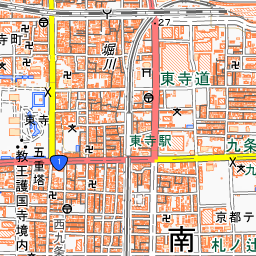
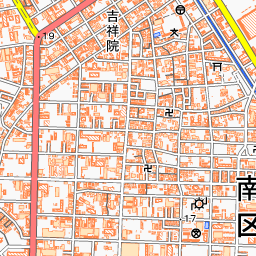
The shrine is located near the Rokusonno-jinja-mae city bus stop. It is about 500 meters south to To-ji Temple and about 300 meters north to Umekoji Park. The shrine's crest is the peony. It is said to originate from Tsunemoto's deep fondness for peonies, having planted a flower garden at his residence that extended all the way to Saga. In ancient times, it was also called Rokunomiya Gongen, and shrine records state that its name appears in the "Rokunomiya" story of Konjaku Monogatarishu, as well as in Akutagawa Ryunosuke's "The Lady of Rokunomiya," which was based on it.
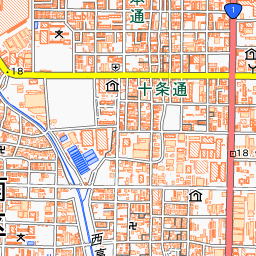
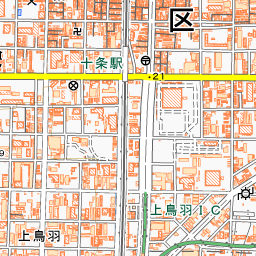
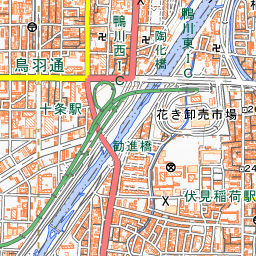
Spot location © OpenStreetMap contributors (ODbL)
Open in Google MapsUse asobot while you walk
- See where you are on the map and find spots nearby
- Listen to the guide's audio in course order, one after another (with subtitles)
- Walk to the next spot while following the map
Open on your phone
Scan to open this spot in asobot on your phone.