 ✨ AI Generated
Ginkaku-ji Temple
Japanese: 銀閣寺
Sakyo Ward, Kyoto
This information was written by AI and may contain mistakes. Please check official sources for opening hours, fees, and other details before you go.
Found a mistake? Let us know with “✏️ Something's wrong” on this spot's screen in asobot →
🎧 Audio guide(1:19)
In short
Ginkaku-ji Temple, formally known as Tozan Jisho-ji Temple, is one of the sub-temples of Shokoku-ji Temple, the head temple of the Rinzai sect's Shokoku-ji branch. It began as Higashiyama-dono, the mountain villa of Ashikaga Yoshimasa, the eighth shogun of the Muromachi shogunate, and in 1994, it was registered as a World Heritage site as part of the "Historic Monuments of Ancient Kyoto."
- Kannonden Hall (Ginkaku): The Ginkaku, a National Treasure, has a first floor called Shinkuden in the shoin style and a second floor called Choonkaku in the Buddhist hall style, with katomado windows
- Togu-do Hall and Dojinsai: The Togu-do Hall, along with the Ginkaku, is a National Treasure surviving from the era of Higashiyama-dono. The Dojinsai room inside is said to be the prototype of the four-and-a-half-tatami-mat tea room
- Ginshadan and Kogetsudai: In front of the abbot's quarters are the Ginshadan, white sand piled into stepped terraces, and the Kogetsudai, shaped like a truncated cone
History and Highlights
Ginkaku-ji Temple, officially known as Tozan Jisho-ji Temple, is one of the sub-temples of Shokoku-ji Temple, the head temple of the Rinzai sect's Shokoku-ji branch. It is situated at the foot of Mount Daimonji in Higashiyama, a mountain range stretching along the eastern side of Kyoto.
Its origin dates back to Higashiyama-dono, a mountain villa built by Ashikaga Yoshimasa, the eighth shogun of the Muromachi shogunate. After the Onin War, Yoshimasa began constructing the villa in 1482, built the Togu-do Hall as a private Buddhist chapel in 1486, and raised the pillars and roof frame for the Ginkaku (Silver Pavilion) in 1489. However, Yoshimasa passed away the following year in 1490 without seeing its completion. In accordance with his will, the villa was converted into a Zen temple and named Jisho-ji Temple after his Buddhist posthumous name, Jishoin-den. It is said that the name Ginkaku-ji Temple began to be used during the Edo period in contrast to Kinkaku-ji Temple.
During a war in 1550, the temple buildings were destroyed by fire, leaving only the Ginkaku and Togu-do Hall. Its present appearance is considered to be largely the result of a major renovation in 1615 at the beginning of the Edo period. The Ginkaku and Togu-do Hall are designated as National Treasures, and the garden is a Special Place of Scenic Beauty and a Special Historic Site. In 1994, it was registered as a UNESCO World Heritage site as part of the "Historic Monuments of Ancient Kyoto."
Highlights and Viewing Points
- Kannonden Hall (Ginkaku): Officially named Kannonden Hall, it was constructed modeled after the Ruri-den of Saiho-ji Temple. The first floor is called Shinkuden and is built in the shoin (study) style, while the second floor, named Choonkaku, features katomado (bell-shaped) windows in the Buddhist hall style. It stands on the western side of Kinkyo-chi Pond, which extends east and west.
- Togu-do Hall and Dojinsai: Along with the Ginkaku, the Togu-do Hall is a structure surviving from the era of Higashiyama-dono. Originally a private Buddhist chapel enshrining Amida Nyorai, the Dojinsai room inside is considered the prototype for the four-and-a-half-tatami-mat tea room.
- Ginshadan and Kogetsudai: In front of the abbot's quarters (hojo), there are the Ginshadan, a sea of white sand piled into stepped terraces, and the Kogetsudai, shaped like a truncated cone. While legends claim they were built to reflect moonlight or to wait for the moon to rise, the temple views them as concepts that likely originated during or after the Edo period rather than dating back to the Muromachi period.
Walking Tips
The approach of approximately 50 meters from the main gate to the middle gate is bordered by camellia hedges and bamboo fences known as Ginkakuji-gaki, creating a prelude-like atmosphere to the garden ahead. The visitor route leads from the lower pond garden up the mountain slope, continuing to an observation point and the Ocha-no-i well. Extending from the front of the gate is the Philosopher's Path, where the philosopher Nishida Kitaro walked in contemplation, offering a wonderful walking route to enjoy together.
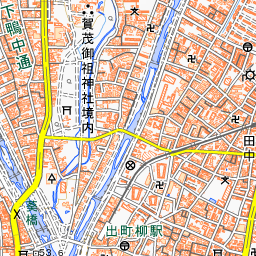
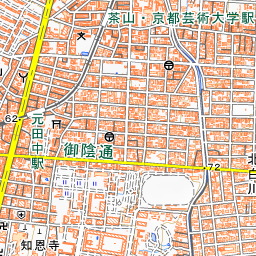
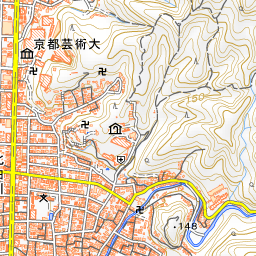
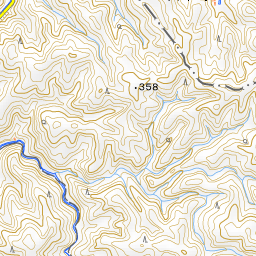

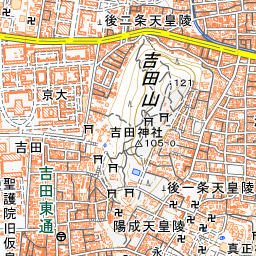
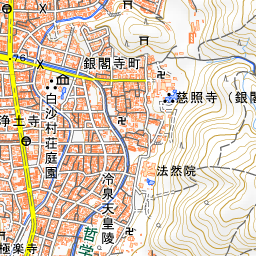
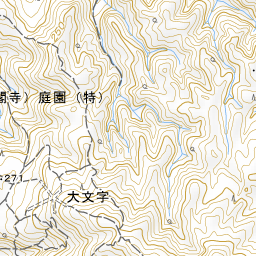
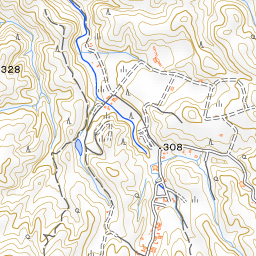

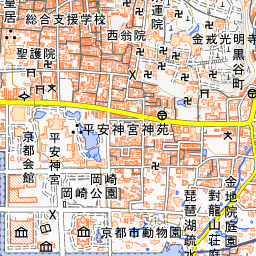
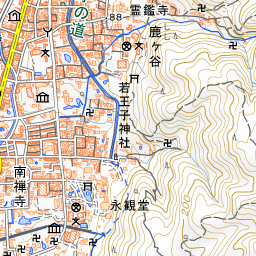
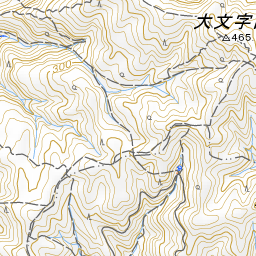
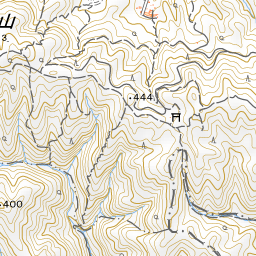
Spot location © OpenStreetMap contributors (ODbL)
Open in Google MapsGuides that include this spot (2)
Use asobot while you walk
- See where you are on the map and find spots nearby
- Listen to the guide's audio in course order, one after another (with subtitles)
- Walk to the next spot while following the map
Open on your phone
Scan to open this spot in asobot on your phone.