 ✨ AI Generated
Buttsu-ji Temple
Japanese: 佛通寺
Mihara, Hiroshima
This information was written by AI and may contain mistakes. Please check official sources for opening hours, fees, and other details before you go.
Found a mistake? Let us know with “✏️ Something's wrong” on this spot's screen in asobot →
🎧 Audio guide(1:07)
In short
Buttsu-ji Temple is the head temple of the Buttsu-ji School of Rinzai Zen, located in the mountains of Takasaka-cho, Mihara City. It is a Zen temple founded in 1397 when Kobayakawa Haruhira welcomed the Zen monk Guchu Shukyu, and at its peak it counted approximately 3,000 branch temples across western Japan. It is the only head temple in western Japan equipped with a Zen training hall (sanzen dojo), and it is also known as one of the premier spots for autumn foliage in the prefecture.
- Kyomo Bridge and Sanmon Gate: Crossing Kyomo Bridge, which spans the mountain stream "Katsuryusui" in front of the temple, visitors will find buildings such as the Sanmon gate, the Hatto (Dharma Hall), the Hondo (Main Hall), and the Kuri (monks' living quarters)
- Unryu-zu in the Butsuden: The ceiling of the Butsuden (Buddha Hall), the central structure of the temple, features the Unryu-zu (painting of a dragon in the clouds). The Butsuden and Hondo, which are usually not open to the public, can be viewed during the special autumn viewing period
- Jizo-do and Kaisan-do: Ascending the stone steps lined with cedar trees on the opposite bank of the mountain stream leads to the Kaisan-do (Founder's Hall) and the Jizo-do, an Important Cultural Property of Japan, recalling the atmosphere of the temple's founding era
History and Highlights
Buttsu-ji Temple is the head temple of the Buttsu-ji School of Rinzai Zen, located in the mountains of Takasaka-cho, Mihara City. It was founded as a Zen temple in 1397 (Oei 4) when Kobayakawa Haruhira welcomed the Zen monk Guchu Shukyu, choosing a scenic spot along the Buttsu-ji River described as a "land of fine mountains and waters." The temple's name derives from the posthumous title "Buttsu Zenji," given to the master under whom Guchu Shukyu studied in China, who was designated as the honorary founding abbot.
The temple prospered under the devotion of the Kobayakawa family, counting 88 sub-temples (tatchu) within its grounds and approximately 3,000 branch temples across western Japan at its peak. It fell into decline following the Onin War, and while it partially recovered during the time of Kobayakawa Takakage, it gradually lost its former grandeur. In 1905 (Meiji 38), it became independent from Tenryu-ji Temple as the Buttsu-ji School of Rinzai Zen, continuing to this day as the only head temple in western Japan equipped with a Zen training hall (sanzen dojo).
Highlights and Experiences
- Kyomo Bridge and Sanmon Gate: The mountain stream flowing before the temple has long been called "Katsuryusui" and was regarded as the boundary barrier (kekkai) of the main precinct of Buttsu-ji Temple. Crossing Kyomo Bridge, which spans this stream, visitors will find buildings such as the Sanmon gate, the Hatto (Dharma Hall), the Hondo (Main Hall), and the Kuri (monks' living quarters). Following a fire during the Kansei era (1796), the Sanmon gate was rebuilt during the Bunka era under the patronage of the Asano family, the lords of the Hiroshima Domain.
- Unryu-zu in the Butsuden: The Butsuden (Buddha Hall) is the central structure of the temple, enshrining the Shakyamuni Triad and also serving as the Dharma Hall. It was rebuilt in 1809 (Bunka 6). The Unryu-zu (painting of a dragon in the clouds) on the ceiling was created in 1810 (Bunka 7) by an artisan-painter from Bitchu Matsuyama. Dragons are guardian spirits of Buddhist law, and because they summon clouds and bring rain, it is believed to hold the meaning of protection against fire. The Butsuden and Hondo, which are usually not open to the public, can be viewed during the special autumn viewing period.
- Jizo-do and Kaisan-do: Ascending the stone steps lined with cedar trees on the opposite bank of the mountain stream leads to the Kaisan-do (Founder's Hall) and the Jizo-do, which is designated as an Important Cultural Property of Japan, recalling the atmosphere of the temple's founding era. The Jizo-do was built as the Buddha hall of Ganki-in, and a wooden seated statue of Jizo Bosatsu is enshrined inside.
Walking Tips
Buttsu-ji Temple is one of the premier spots for autumn foliage in the prefecture. The best time to view the leaves is from early to mid-November, when they turn diverse shades of yellow, vermilion, and red. An admission fee is required during the autumn foliage season, and traffic regulations are enforced on nearby roads. Within the precincts, there is also the former site of Shigetsu-an, where Sesshu is said to have stayed, and the haiku poet Santoka left the verse: "Opening it up / the whole mountain / covered in green." A Zazen meditation gathering suitable even for beginners is held every month. The temple is about 40 minutes by bus bound for Buttsu-ji from JR Mihara Station, and about 20 minutes by car from the Mihara-Kui Interchange on the Sanyo Expressway. Touring by car in combination with the Mihara Castle Ruins or Sankeien Garden near Hiroshima Airport is also convenient.
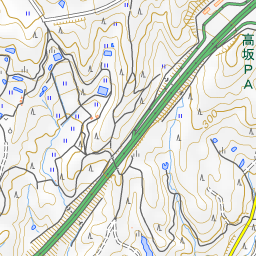
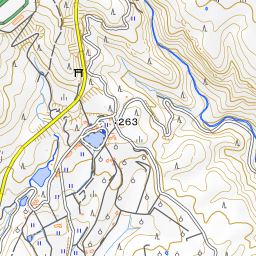
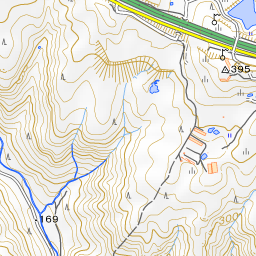
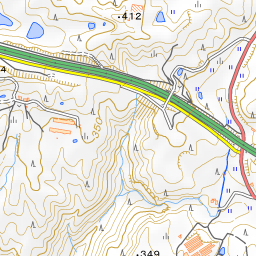
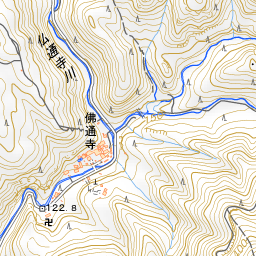
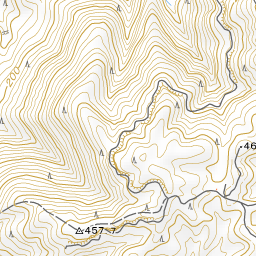
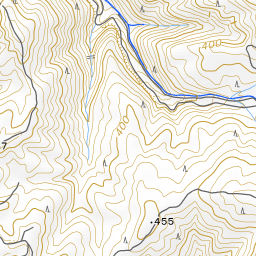
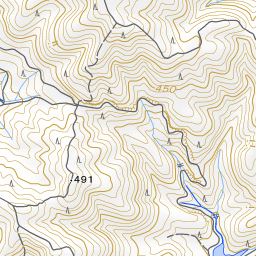
Spot location © OpenStreetMap contributors (ODbL)
Open in Google MapsGuides that include this spot (1)
Use asobot while you walk
- See where you are on the map and find spots nearby
- Listen to the guide's audio in course order, one after another (with subtitles)
- Walk to the next spot while following the map
Open on your phone
Scan to open this spot in asobot on your phone.