 ✨ AI Generated
Isshin-ji Temple
Japanese: 一心寺
Tennoji Ward, Osaka
This information was written by AI and may contain mistakes. Please check official sources for opening hours, fees, and other details before you go.
Found a mistake? Let us know with “✏️ Something's wrong” on this spot's screen in asobot →
🎧 Audio guide(1:07)
In short
A temple of the Jodo sect, whose origins are said to date back to 1185 (Bunji 1). It is said to have originated when Honen Shonin practiced Nissokan, a meditative practice of envisioning the Pure Land of Ultimate Bliss while gazing at the setting sun, at a hermitage on this site. Since the first Okotsubutsu was created in 1887 (Meiji 20), it has been affectionately known as the "temple of the Okotsubutsu," a temple open to the general public, accepting the remains of the deceased regardless of religious sect.
- Okotsubutsu: Statues of Amida Nyorai created by combining the cremated remains brought to the temple over ten-year periods; eight statues are currently enshrined in the ossuary. This religious custom is designated an Intangible Folk Cultural Property of Osaka City
- Tomb of Honda Tadatomo: The grave of Honda Tadatomo, who died in the Summer Campaign of the Siege of Osaka. According to lore, his dying words were "One must refrain from alcohol," and he is revered as a sacred figure who helps people give up drinking
- Sanmon Gate and Nio Statues: The modern sanmon gate and Nio statues are notable features of this temple. The original gate was lost in an air raid in 1945, and the current gate was rebuilt in 1997
History and Highlights
Isshin-ji Temple is a temple of the Jodo sect of Buddhism. Its origins are said to date back to 1185, when Honen Shonin, the founder of the Jodo sect, is said to have practiced Nissokan at a hermitage on this site called "Arahaka no Shinbessho." Nissokan is a meditative practice of envisioning the Pure Land of Ultimate Bliss while gazing at the setting sun. The hermitage was called "Genku-an" after Honen Shonin's original name, and was later renamed Isshin-ji Temple.
In 1600, the year of the Battle of Sekigahara, the funeral of Senchiyo, the eighth son of Tokugawa Ieyasu, was held at this temple. The head priest who served as the officiant was Honyo Zonmu Shonin, who hailed from Mikawa, the same home province as Ieyasu. From that time on, the temple developed strong ties with Ieyasu, and temple history records that Ieyasu set up his main encampment on this site during the Winter Campaign of the Siege of Osaka in 1614.
From the end of the Edo period, the temple bustled as the "temple of Segaki" for conducting Segaki memorial services year-round without interruption. Since the first Okotsubutsu was created in 1887, it has also been affectionately known as the "temple of the Okotsubutsu." It is a temple open to the general public, accepting the remains of the deceased regardless of religious sect.
Sights and Experiences
- Okotsubutsu: These are statues of Amida Nyorai created by combining the cremated remains of deceased individuals brought to the temple over ten-year periods. Starting with the first statue in 1887, one has been crafted every ten years. Although the six statues made before World War II were lost to war damage, eight statues are currently enshrined in the ossuary. This religious custom was designated an Intangible Folk Cultural Property of Osaka City in 2005.
- Tomb of Honda Tadatomo: Within the temple precincts lies the grave of Honda Tadatomo, who died in the Battle of Tennoji-Okayama during the Summer Campaign of the Siege of Osaka. According to lore, his dying words were "One must refrain from alcohol," and he is revered as a sacred figure who helps people give up drinking.
- Sanmon Gate and Nio Statues: The modern sanmon gate and Nio statues are notable features of this temple. The original gate was the Tamatsukuri-mon Gate relocated from the San-no-maru (third bailey) of Osaka Castle and was known as "Kuromon" (Black Gate), but it was lost in an air raid in 1945. The current gate was rebuilt in 1997.
Tips for Visitors
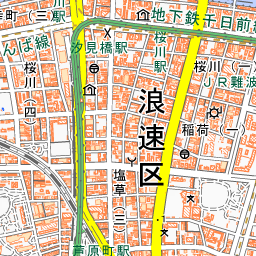
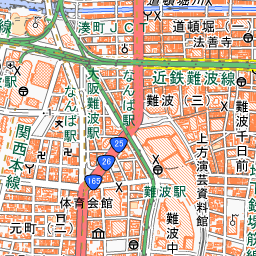
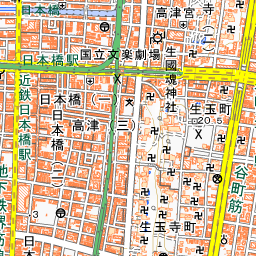
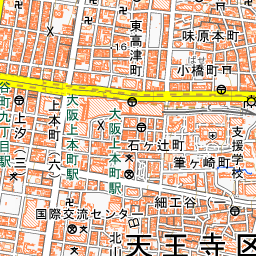
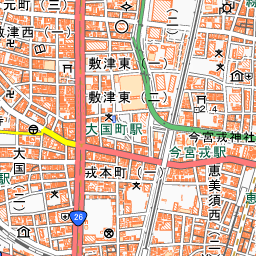
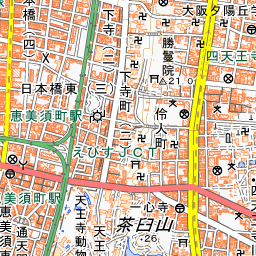
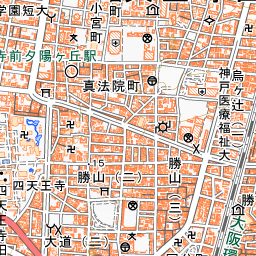
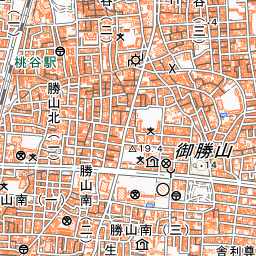
The temple is within walking distance from JR and subway Tennoji Station, the Tanimachi Line's Shitennoji-mae Yuhigaoka Station, and Kintetsu's Osaka-Abenobashi Station. If arriving by car, the "Isshinji-mae" intersection on National Route 25 serves as a landmark, but there is no parking lot for visitors. About 190 meters to the north is Yasui-jinja Shrine, which has ties to Sanada Yukimura. In the basement of the Sansenbutsu-do hall, there is also a theater called "Isshinji Theater Kura," where rakugo and music performances are held inside the temple grounds.


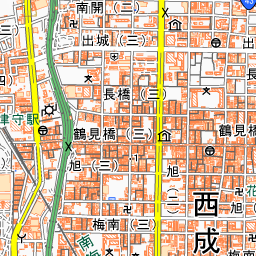

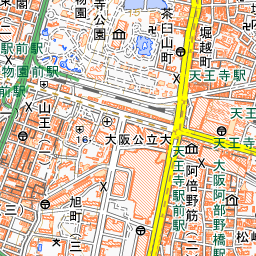

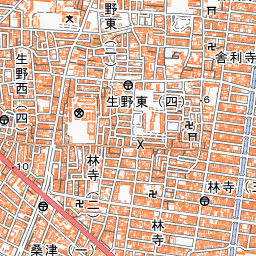
Spot location © OpenStreetMap contributors (ODbL)
Open in Google MapsGuides that include this spot (2)
Use asobot while you walk
- See where you are on the map and find spots nearby
- Listen to the guide's audio in course order, one after another (with subtitles)
- Walk to the next spot while following the map
Open on your phone
Scan to open this spot in asobot on your phone.