 ✨ AI Generated
Ishikiri Tsurugiya-jinja Shrine
Japanese: 石切劔箭神社
Higashiosaka, Osaka
This information was written by AI and may contain mistakes. Please check official sources for opening hours, fees, and other details before you go.
Found a mistake? Let us know with “✏️ Something's wrong” on this spot's screen in asobot →
🎧 Audio guide(1:06)
In short
A shrine situated at the foot of Mt. Ikoma, affectionately known as "Ishikiri-san." It enshrines two parent-and-child deities, Nigihayahi no Mikoto, a grandchild of Amaterasu Omikami, and his son, Umashimade no Mikoto, and it was already recorded as "Ishikiri Tsurugiyanomikoto-jinja Niza" in the Engishiki Jimmyocho, compiled in 927 (Encho 5). It is also known as "Denbo no Kami-san," a deity that cures swellings, boils, and other ailments, and structures including the main sanctuary (honden) and the worship hall (haiden), constructed in 1931 (Showa 6), were registered as National Registered Tangible Cultural Properties in March 2025 (Reiwa 7).
- Ohyakudo Mairi: Worshippers walk back and forth between the front of the honden and the Ohyakudo-ishi (hundred-times stone) near the torii gate. Holding Ohyakudo-himo strings, they bend down one string each time they complete a round to keep count, and it is said that the count does not have to be one hundred, and can be whatever number you decide for yourself
- Emaden with Sword and Arrow: Built on the line connecting the torii gate and the honden, this building also serves as a gate, and with a sword and arrow adorning the center of its roof, it symbolizes the shrine. It is registered as a National Registered Tangible Cultural Property along with the honden and other structures
- Sacred Tree and Shrine Treasures: The sacred camphor tree, said to be about 500 years old, is a Natural Monument of Higashiosaka City. Sacred treasures such as swords and bronze mirrors in the treasure storehouse of the Hozumiden are opened to the public during the Spring Grand Festival and Autumn Grand Festival. The Heian-period tachi sword "Ishikirimaru" is an Important Art Object
History and Highlights
Ishikiri Tsurugiya-jinja Shrine is a shrine situated at the foot of Mt. Ikoma and is affectionately known as "Ishikiri-san." It enshrines two parent-and-child deities: Nigihayahi no Mikoto, who is a grandchild of Amaterasu Omikami, and his son, Umashimade no Mikoto. The shrine name "Ishikiri Tsurugiya" (stone-cutting sword and arrow) is said to express the great power of the enshrined deities, capable of cutting through and piercing even solid rock.
Because the shrine pavilions and treasure storehouse were burned in past warfare, the details of its founding history are not fully known. Even so, it was already recorded under the name "Ishikiri Tsurugiyanomikoto-jinja Niza" in the Engishiki Jimmyocho, which was compiled in 927. According to records summarizing oral traditions passed down through the priestly family, the shrine's origin dates back to the second year of Emperor Jimmu's reign, when Nigihayahi no Mikoto was enshrined on Miyayama in Mt. Ikoma.
Ishikiri Tsurugiya-jinja Shrine is also known as "Denbo no Kami-san." In Kansai dialect, denbo refers to swellings and boils, and the shrine has been venerated as a deity that cures such ailments. It is also said that this denbo originally referred to denpo, the secret esoteric teachings handed down since ancient times in the priestly family. The current shrine buildings were constructed in 1931, and in March 2025, structures including the main sanctuary (honden) and the worship hall (haiden) were registered as National Registered Tangible Cultural Properties.
Highlights and Experiences
- Ohyakudo Mairi: This ritual involves walking back and forth between the front of the honden and the Ohyakudo-ishi (hundred-times stone) near the torii gate. Worshippers hold Ohyakudo-himo strings, bending down one string each time they complete a round to keep count. It is said that the count does not have to be exactly one hundred, and can be whatever number you decide for yourself.
- Emaden with Sword and Arrow: Built on the line connecting the torii gate and the honden, the Emaden (votive plaque hall) also serves as an entrance gate. Featuring a sword and arrow adorning the center of its roof, this building symbolizes the shrine and is registered as a National Registered Tangible Cultural Property along with the honden and other structures.
- Sacred Tree and Shrine Treasures: The sacred camphor tree, said to be about 500 years old, is designated as a Natural Monument of Higashiosaka City. The treasure storehouse in the Hozumiden houses sacred treasures such as swords and bronze mirrors, which are opened to the public during the Spring Grand Festival and Autumn Grand Festival. The Heian-period tachi sword "Ishikirimaru" is recognized as an Important Art Object.
Travel Tips
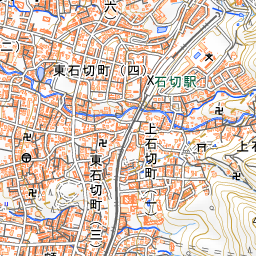
It is about a 15-minute walk from Ishikiri Station on the Kintetsu Nara Line, and about 10 minutes from Shin-Ishikiri Station on the Kintetsu Keihanna Line. If walking from Ishikiri Station, you will pass through the downhill Ishikiri Sando Shopping Street before reaching the shrine grounds. The shopping street lined with fortune-telling booths and shops selling local specialties is introduced in that dedicated spot guide. Kaminosha is located about a 15-minute climb from the main shrine toward Mt. Ikoma, making it possible to visit both. At the foot of Mt. Ikoma, you can also find Hyotanyama Inari-jinja Shrine and Hiraoka-jinja Shrine.
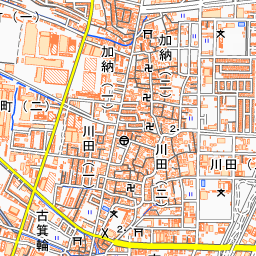
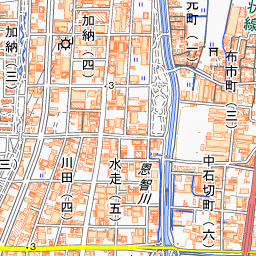
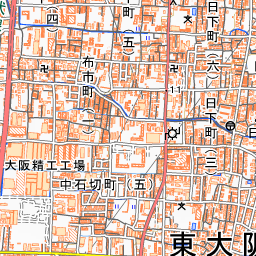
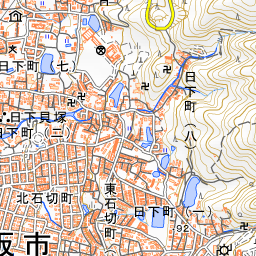
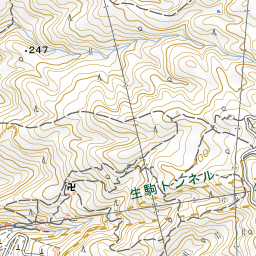
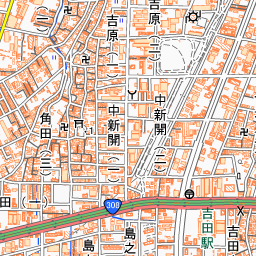
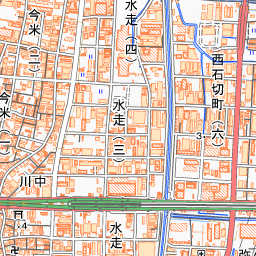
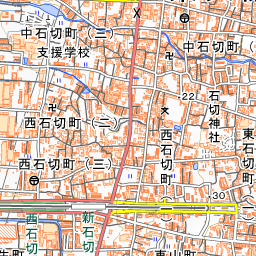
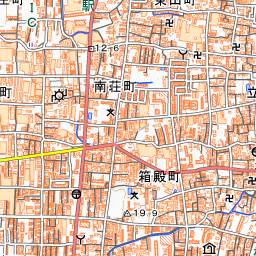
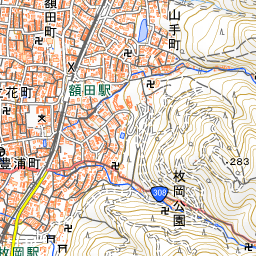
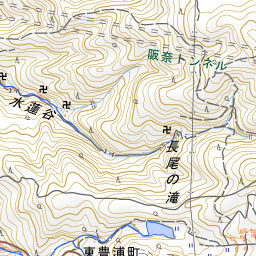
Spot location © OpenStreetMap contributors (ODbL)
Open in Google MapsGuides that include this spot (1)
Use asobot while you walk
- See where you are on the map and find spots nearby
- Listen to the guide's audio in course order, one after another (with subtitles)
- Walk to the next spot while following the map
Open on your phone
Scan to open this spot in asobot on your phone.