
Tanabe Castle Ruins
Japanese: 田辺城跡
Maizuru, Kyoto
This information was written by AI and may contain mistakes. Please check official sources for opening hours, fees, and other details before you go.
Found a mistake? Let us know with “✏️ Something's wrong” on this spot's screen in asobot →
🎧 Audio guide(1:09)
In short
The site of Tanabe Castle, built by Hosokawa Fujitaka (Yusai), a warlord of the Sengoku period who was also renowned as a waka poet, and now Maizuru Park. The place name Maizuru derives from "Bukaku-jo" (Maizuru Castle), an alternate name for Tanabe Castle.
- The Siege of Tanabe and Kokin Denju: In 1600 (Keicho 5), 15,000 troops of the Western Army besieged the Hosokawa force of only 500 holding the castle. The siege lasted as long as 52 days, but because Yusai was a successor of "Kokin Denju," the siege was lifted by imperial decree from Emperor Goyozei
- Castle Gate and Tanabe Castle Museum: The second floor of the castle gate, rebuilt in 1992 (Heisei 4), houses the museum, which introduces the successive castle lords and the history of Tanabe Castle and life in its castle town
- Shinshu-en Garden and the Pine of Kokin Denju: The name of Shinshu-en, the garden in the Ninomaru, comes from the lower line of one of Yusai's poems. An information board records that the secret texts were entrusted to the imperial envoy at this spot
History and Highlights
Tanabe Castle Ruins is the site of Tanabe Castle, built by Hosokawa Fujitaka (Yusai), a renowned warlord and waka poet of the Sengoku period (Warring States period), and is now maintained as Maizuru Park. In 1582 (Tensho 10), the year the Honno-ji Incident occurred, Fujitaka handed over headship of the family to his son Tadaoki, shaved his head, took the name Yusai Genshi, and began full-scale construction of Tanabe Castle. The fortress is a hirajiro (flatland castle). Because the planned construction site was a marshland into which multiple rivers flowed, a major engineering project called segae was undertaken to drastically divert the riverways, creating the new Isazu River. The place name Maizuru derives from "Bukaku-jo" (Maizuru Castle), an alternate name for Tanabe Castle.
In 1600 (Keicho 5), approximately two months before the Battle of Sekigahara, 15,000 troops allied with Ishida Mitsunari of the Western Army besieged the Hosokawa family's Tanabe Castle, which had sided with the Eastern Army. The Hosokawa force holding the castle numbered only 500. This "Siege of Tanabe" lasted for 52 days, but because Yusai was a designated successor of Kokin Denju—the secret oral transmissions and interpretations of the Kokin Wakashu poetry anthology—the siege was lifted by imperial decree from Emperor Goyozei. Tanabe Castle continued to serve as the residence of the Hosokawa, Kyogoku, and Makino clans and the administrative center of the domain for about 290 years, until it was decommissioned and abandoned in 1873 (Meiji 6).
Viewing and Experience Highlights
- Castle Gate and Tanabe Castle Museum: Rebuilt in 1992 (Heisei 4), the castle gate stands in a different location from the original structure, and its second floor houses the Tanabe Castle Museum. Panels and scale models introduce historical figures including Hosokawa Yusai and successive castle lords, as well as the history of life in Tanabe Castle and its surrounding castle town.
- Shokokan and Tenshudai (Keep Base) Ruins: Inside the park stands the Shokokan, a two-story corner watchtower (sumiyagura) restored in 1940 (Showa 15). While none of the original buildings remain, the ruins of the castle keep base (tenshudai) on the west side of the park evoke traces of the former fortress.
- Shinshu-en Garden and the Pine of Kokin Denju: Shinshu-en, a garden located in the Ninomaru (secondary bailey), was named by the Makino clan, who became domain lords in the Edo period, after the lower line (shimo-no-ku) of a poem Yusai penned alongside the secret documents: "Inishie mo ima mo kawaranu yo no naka ni / kokoro no tane o nokosu kotonoha" (In a world unchanged from past to present, words leave behind the seeds of the heart). The "Pine of Kokin Denju" stands in the garden, and an information board explains that the secret texts were entrusted to the imperial envoy at this very spot.
Walking Tips
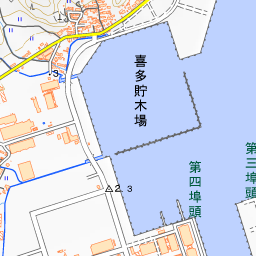
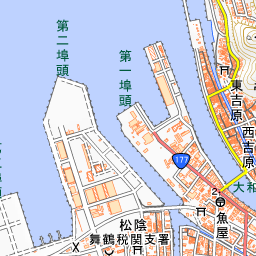
In spring, the park becomes a cherry blossom destination and a place of relaxation for local residents. It is about a 10-minute walk from JR Nishi-Maizuru Station. In May, the "Maizuru Hosokawa Yusai Tanabe Castle Festival," themed around Yusai's siege, is held in Maizuru Park. About 1.3 kilometers to the north lies Yoshiwara Inlet, lined with boathouses and fishing vessels; together with Michi-no-Eki Maizuru Port Toretore Center, situated approximately 1.5 kilometers west-northwest, visitors can explore the castle town and port town of Nishi-Maizuru.
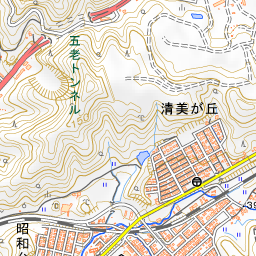
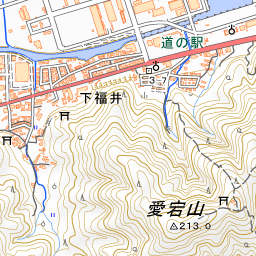
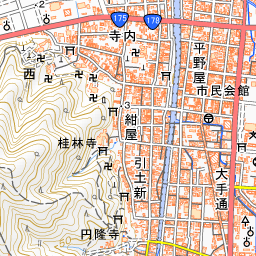
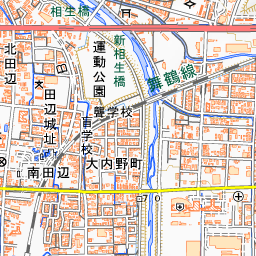
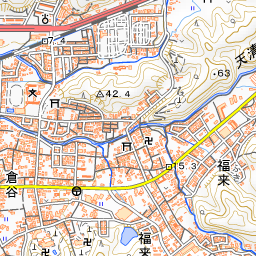
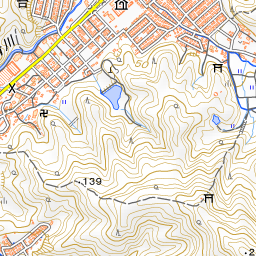
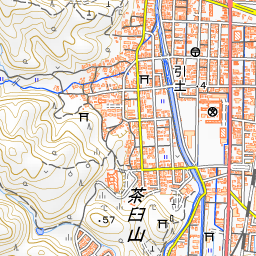
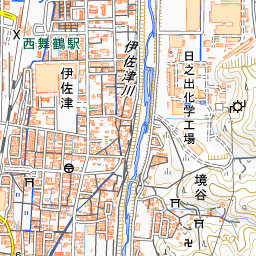
Spot location © OpenStreetMap contributors (ODbL)
Open in Google MapsUse asobot while you walk
- See where you are on the map and find spots nearby
- Listen to the guide's audio in course order, one after another (with subtitles)
- Walk to the next spot while following the map
Open on your phone
Scan to open this spot in asobot on your phone.