 ✨ AI Generated
Mibu-dera Temple
Japanese: 壬生寺
Nakagyo Ward, Kyoto
This information was written by AI and may contain mistakes. Please check official sources for opening hours, fees, and other details before you go.
Found a mistake? Let us know with “✏️ Something's wrong” on this spot's screen in asobot →
🎧 Audio guide(1:07)
In short
A temple of the Ritsu sect of Buddhism, founded in 991 (Shoryaku 2) by the high priest Kaiken of Onjo-ji Temple (Mii-dera Temple), whose principal image is Enmei Jizo Bosatsu. Since ancient times, it has gathered the devotion of common people as a temple for warding off evil and bringing good fortune, and in the late Edo period, the Shinsengumi, who set up their headquarters in Mibu, used the temple grounds as a training field for military tactics.
- Mibu Kyogen and Dainenbutsu-do Hall: A pantomime said to have been started in 1300 (Shoan 2) by Saint Engaku, in which all performers wear masks and act without using any spoken lines. It is a National Important Intangible Folk Cultural Property, and the Dainenbutsu-do Hall, which serves as its stage, is a National Important Cultural Property
- Mibuzuka Mound: It contains a bust and hair monument of Kondo Isami, the graves of Serizawa Kamo and Hirayama Goro, and a joint grave where troop members who died in the Ikedaya Incident are also buried, among others. In 2023, a bust of Hijikata Toshizo was also added
- Setsubun-e Service in February: An event with a tradition spanning more than 900 years, said to have begun through the vow of Emperor Shirakawa
History and Highlights
Mibu-dera Temple is a temple of the Ritsu sect of Buddhism, founded in 991 by the high priest Kaiken of Onjo-ji Temple (Mii-dera Temple). Its principal image is Enmei Jizo Bosatsu, and along with ancient Jizo worship, it has gathered the devotion of common people as a temple for warding off evil and bringing good fortune. In 1962, the main hall was completely destroyed by fire, and many temple treasures, including the original principal image, were lost. However, a standing statue of Enmei Jizo Bosatsu, designated as a National Important Cultural Property, was transferred from Toshodai-ji Temple—the head temple of the Ritsu sect—and serves as the current principal image.
In the Heian period, the temple received the deep faith of Emperor Shirakawa, and the Setsubun-e service held in February, said to have begun through the Emperor's vow, is an event with a tradition spanning more than 900 years. In the late Edo period, the Shinsengumi, who set up their headquarters in Mibu, used the temple grounds as a training field for military tactics, conducting training in martial arts and artillery. The temple also retains anecdotes such as Okita Soji playing with children on the grounds, and Kondo Isami and other troop members watching Mibu Kyogen.
Sights and Experiences
- Mibu Kyogen and Dainenbutsu-do Hall: Mibu Kyogen, formally called "Mibu Dai Nenbutsu Kyogen," is a pantomime said to have been started in 1300 by Saint Engaku, who greatly revived Mibu-dera Temple during the Kamakura period. All performers wear masks and act without using any spoken lines, accompanied by musical accompaniment of gongs, drums, and flutes. In 1976, it was designated as a National Important Intangible Folk Cultural Property. The Dainenbutsu-do Hall, which serves as the stage, was rebuilt in 1856 and is a National Important Cultural Property featuring unusual stage mechanisms such as the kemonodai platform used for tightrope walking acts. Performances are held three times a year: in spring, autumn, and during Setsubun.
- Mibuzuka Mound: Located on an island within the pond in the eastern part of the grounds, this site contains a bust and hair monument of Kondo Isami, the commander of the Shinsengumi; the graves of Serizawa Kamo and Hirayama Goro, who were assassinated at the Yagi Residence; and a joint grave where troop members who died in the Ikedaya Incident are also buried. In 2023, a bust of Hijikata Toshizo was added to commemorate the 160th anniversary of the founding of the Shinsengumi.
- Amida-do Hall and Historical Archive: Behind the Amida-do Hall, rebuilt in 2002, lies the Mibuzuka Mound, while the basement historical archive exhibits temple treasures, Mibu Kyogen artifacts, and historical materials related to the Shinsengumi.
Travel Tips
The Front Gate (Omotemon), which serves as the main gate, was rebuilt in 1799 and is the oldest remaining building at Mibu-dera Temple today. Along Bojo-dori Street in front of the East Gate, the Yagi and Maekawa residences still stand today, allowing visitors to tour both the Yagi Family Residence, considered the birthplace of the Shinsengumi, and the Former Maekawa Residence, which conveys the life at the headquarters. It is about a 10-minute walk from Hankyu Omiya Station or Keifuku Electric Railroad Shijo-Omiya Station. Every year on July 16, a memorial service for the Shinsengumi warriors and others is held to mark the day of the Ikedaya Incident.

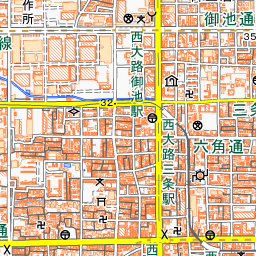

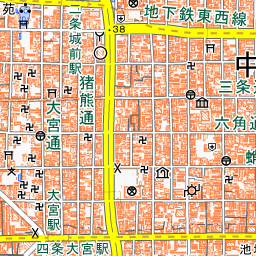


Spot location © OpenStreetMap contributors (ODbL)
Open in Google MapsGuides that include this spot (1)
Use asobot while you walk
- See where you are on the map and find spots nearby
- Listen to the guide's audio in course order, one after another (with subtitles)
- Walk to the next spot while following the map
Open on your phone
Scan to open this spot in asobot on your phone.