 ✨ AI Generated
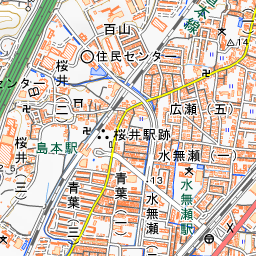
Sakurai-no-Eki Site
Japanese: 桜井駅跡
Shimamoto Town, Osaka
This information was written by AI and may contain mistakes. Please check official sources for opening hours, fees, and other details before you go.
Found a mistake? Let us know with “✏️ Something's wrong” on this spot's screen in asobot →
🎧 Audio guide(1:15)
In short
A national historic site in front of JR Shimamoto Station, said to be the remains of a post station that provided horses and other travel necessities. It is known as the setting of the "Parting at Sakurai" depicted in the Taiheiki. In the first year of Engen (1336), here at Sakurai, Kusunoki Masashige instructed his heir, Masatsura, that continuing to unite the clan and fight even after his father's death in battle would be loyalty and filial piety, and sent him back to Kawachi. It was designated as a national historic site in the 10th year of Taisho (1921), and it is now enjoyed as a historic park.
- Nanko Fushi Ketsuji no Tokoro Monument: Erected in the 9th year of Meiji (1876), this is the oldest monument in the park. The title inscription was brushed by Watanabe Noboru, the lieutenant governor of Osaka Prefecture, and an English text by the British envoy Harry Parkes is engraved on the back
- Nanko Fushi Ketsubetsu no Tokoro Monument: Erected in the 2nd year of Taisho (1913), this monument bears a title inscription written by Army General Nogi Maresuke. The park also features a stone statue depicting the parting of Kusunoki and his son, donated by volunteers in the 16th year of Heisei (2004)
- Emperor Meiji Gyosei Monument: Erected in the 6th year of Showa (1931), it is engraved with a poem said to have been composed by Emperor Meiji at this site, in calligraphy by Fleet Admiral Togo Heihachiro. A poem composed by Rai Sanyo when visiting Sakurai is also engraved on the back
History and Highlights
The Sakurai-no-Eki Site is a national historic site located in front of JR Shimamoto Station, said to be the remains of a post station that provided horses and other travel necessities. It is also thought that the "Ohara Station" mentioned in Shoku Nihongi, the chronicle of the Nara period, as being on the route from the capital to the western provinces may refer to this Sakurai-no-Eki.
This location is known as the setting of the "Parting at Sakurai" depicted in the Taiheiki. In the first year of Engen (1336), Kusunoki Masashige departed Kyoto to confront the massive army of Ashikaga Takauji. At Sakurai, he instructed his heir, Masatsura, that continuing to unite the clan and fight even after his father's death in battle would be true loyalty and filial piety, and sent him back to Kawachi. Masashige subsequently met his end at Minatogawa. This tale became widely known in later generations and was frequently featured as a subject in paintings, poetry, and songs.
The site was developed from the Meiji era through the Showa 10s (1935–1944), during which stone monuments were erected and the grounds were expanded. In the 10th year of Taisho (1921), it was designated as a national historic site, and it is now enjoyed as a historic park. When the Grand Festival Commemorating the 600th Anniversary of Dainanko was held in the 10th year of Showa (1935), a temporary train stop is said to have been established at the site to transport guests.
Highlights for Viewing and Experiencing
- Monument of the Parting of Kusunoki Father and Son (Nanko Fushi Ketsuji no Tokoro Monument): Erected in the 9th year of Meiji (1876), this is the oldest monument in the park. The title inscription was brushed by Watanabe Noboru, the lieutenant governor of Osaka Prefecture, and an English text by the British envoy Harry Parkes is engraved on the back.
- Monument of the Parting of Kusunoki Father and Son (Nanko Fushi Ketsubetsu no Tokoro Monument): Erected in the 2nd year of Taisho (1913), the title inscription on this monument was written by Army General Nogi Maresuke. The park also features a stone statue depicting the parting of Kusunoki and his son, donated by volunteers in the 16th year of Heisei (2004).
- Emperor Meiji Gyosei Monument: Erected in the 6th year of Showa (1931), it is engraved with a poem said to have been composed by Emperor Meiji at this site, in calligraphy by Fleet Admiral Togo Heihachiro. A poem composed by Rai Sanyo when visiting Sakurai is also engraved on the back.
Tips for Strolling
Across from the site is the Shimamoto Municipal Historical and Cultural Museum. Formerly known as the Reitenkan, it was built just before the start of World War II as a memorial hall for the Sakurai-no-Eki Site, and the building is a national registered tangible cultural property. A replica of the National Treasure portrait of Emperor Go-Toba from Minase-jingu Shrine is also kept here. Walking about 930 meters to the northeast brings you to Minase-jingu Shrine, which can be explored along with the old Saigoku Kaido that continues toward Yamazaki.


Guides that include this spot (1)
Use asobot while you walk
- See where you are on the map and find spots nearby
- Listen to the guide's audio in course order, one after another (with subtitles)
- Walk to the next spot while following the map
Open on your phone
Scan to open this spot in asobot on your phone.