 ✨ AI Generated
Kiko-ji Temple
Japanese: 喜光寺
Nara City, Nara
This information was written by AI and may contain mistakes. Please check official sources for opening hours, fees, and other details before you go.
Found a mistake? Let us know with “✏️ Something's wrong” on this spot's screen in asobot →
🎧 Audio guide(1:08)
In short
Kiko-ji Temple belongs to the Hosso Sect and was founded by Gyoki, a high-ranking Buddhist monk of the Nara period who dedicated himself to the construction of the Great Buddha at Todai-ji Temple. Gyoki passed away at this temple. According to legend, the main hall was built as a prototype for the Great Buddha Hall of Todai-ji Temple, which is why it is called the "Trial Great Buddha Hall" (Kokoromi no Daibutsuden).
- Trial Great Buddha Hall: The present main hall was rebuilt in 1544 and stands approximately 17 meters high. It is designated as an Important Cultural Property.
- Principal Image of Seated Amida Nyorai: A wooden statue from the Heian period, this large Buddhist image measures 2.33 meters in height. It is designated as an Important Cultural Property.
- Temple of Lotuses: About 80 varieties across 250 pots of lotuses are cultivated on the temple grounds, blooming in summer. The flowers open in the morning and close in the afternoon.
History and Highlights
Kiko-ji Temple is a temple of the Hosso Sect. This surrounding area has long been known as Sugawara no Sato, a scenic spot celebrated in waka poetry.
In 721, Gyoki received a donation of land here and built the temple the following year. Named after the area, it was originally called Sugawara-dera. Among the temples built by Gyoki, this was the only one situated inside Heijo-kyo, serving as an important base for his missionary work and social welfare activities.
In 748, when Emperor Shomu visited and prayed at this temple, a mysterious light is said to have emanated from the principal image. The emperor was greatly delighted, declaring it a "temple of joyful light," and tradition says he bestowed upon it the name "Kiko-ji." On February 2 of the following year, 749, Gyoki passed away at this temple at the age of 82.
The original main hall from the time of founding is said to have burned down due to war in 1499. The main hall was rebuilt in 1544, but during the Genki era (1570–1573) the temple was again caught up in war, and many of its halls were lost, though the main hall survived.
From the Meiji period onward, the temple fell into severe disrepair and was on the verge of abandonment. Restoration efforts began in 1990, and through the solicitation of "Iroha Shakyo" (sutra copying), the Nandaimon (South Great Gate) was rebuilt in 2010.
Highlights of Appreciation and Experience
- Trial Great Buddha Hall: Due to the legend that Gyoki built this main hall prior to the founding of Todai-ji Temple, the hall is referred to as the "Trial Great Buddha Hall." The current main hall stands about 17 meters tall, featuring architectural techniques such as mokoshi (pent roofs) in a revival style conscious of the Nara period, and is designated as an Important Cultural Property. At dusk in spring and autumn, you may encounter the sight of the setting sun shining through the western windows and illuminating the principal image.
- Principal Image of Seated Amida Nyorai: This wooden statue from the Heian period is a juroku-butsu (measuring approximately 16 shaku when standing, or about 2.33 meters seated). With its serene facial expression and flowing drapery lines, it exemplifies the Jocho Style representative of the Heian period, and is designated as an Important Cultural Property. Kanzeon Bodhisattva and Seishi Bodhisattva are enshrined on either side.
- Lotuses and Bentendo: Lotuses have been cultivated on the grounds since 1995, now numbering about 80 varieties across 250 pots. Lotus flowers open in the morning and close in the afternoon. Bentendo Hall, built within the Benten Pond, is said to have been consecrated in the Kamakura period when Eison of Saidai-ji Temple invited the deity from Enoshima Benzaiten.
Walking Tips
The Nandaimon is a two-story gate 12 meters in height, and as you pass through, you will be greeted by Nio statues created by Nakamura Shinya. For the main hall, it is recommended to first view the large roof from the outside before worshipping the principal image inside. The Gyoki-do hall enshrines a seated statue of Gyoki Bodhisattva, with Sentai Jizo (one thousand Jizo statues) lining the interior walls.
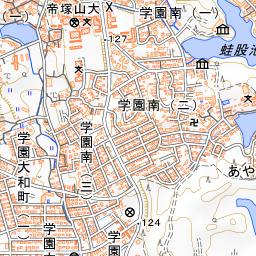
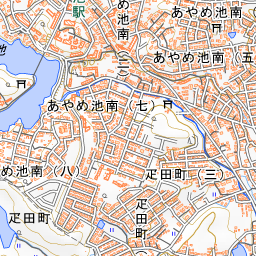
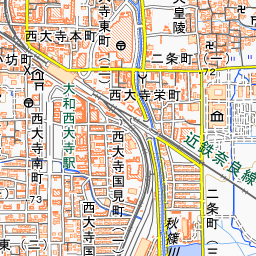
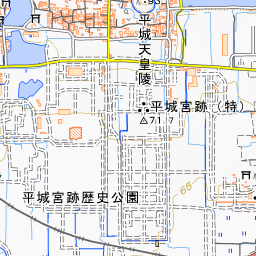
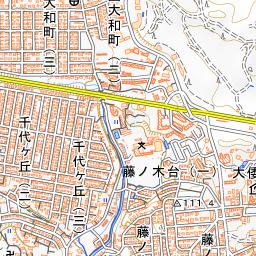
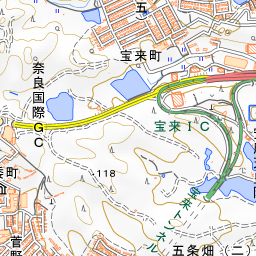
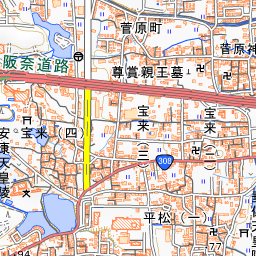
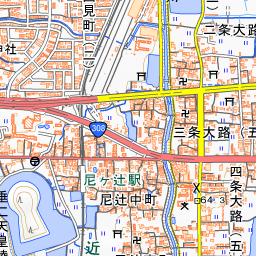
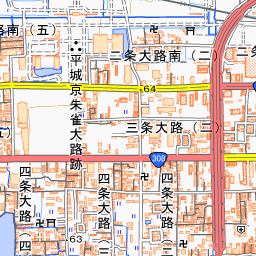
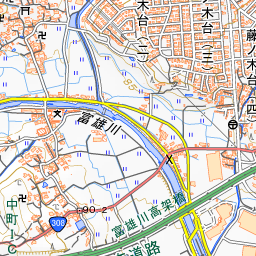
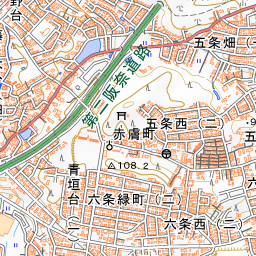
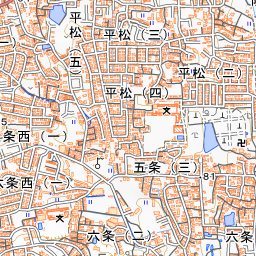
It is a 10-minute walk from Kintetsu Amagatsuji Station. The Mausoleum of Emperor Suinin is located about 640 meters to the southeast, and Saidai-ji Temple is about 950 meters to the north, making them convenient to visit together.

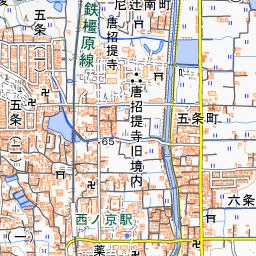
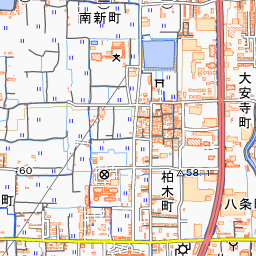
Spot location © OpenStreetMap contributors (ODbL)
Open in Google MapsGuides that include this spot (1)
Use asobot while you walk
- See where you are on the map and find spots nearby
- Listen to the guide's audio in course order, one after another (with subtitles)
- Walk to the next spot while following the map
Open on your phone
Scan to open this spot in asobot on your phone.