 ✨ AI Generated
Yoshino Mikumari-jinja Shrine
Japanese: 吉野水分神社
Yoshino Town, Nara
This information was written by AI and may contain mistakes. Please check official sources for opening hours, fees, and other details before you go.
Found a mistake? Let us know with “✏️ Something's wrong” on this spot's screen in asobot →
🎧 Audio guide(1:09)
In short
Yoshino Mikumari-jinja Shrine is an ancient shrine situated in the Kami-Senbon area of Mt. Yoshino. It enshrines a deity that governs the distribution of water, and the name "mikumari" shifted over time to "mikomori," leading the shrine to also be called Komori-no-miya. It is revered as a guardian deity of child-granting, safe childbirth, and children, and is one of the component assets of the World Heritage site "Sacred Sites and Pilgrimage Routes in the Kii Mountain Range."
- Shrine buildings rebuilt by Hideyori: Toyotomi Hideyoshi is said to have been blessed with his son Hideyori after praying here, and the current shrine buildings were rebuilt by Hideyori. The honden (main hall), heiden (hall of offerings), haiden (hall of worship), romon (tower gate), and kairo (corridors) are designated as national Important Cultural Properties.
- Buildings surrounding a central courtyard: Passing through the romon gate reveals a central courtyard surrounded by the honden, heiden, and haiden.
- Spring weeping cherry blossoms: In spring, weeping cherry trees bloom within the shrine grounds.
History and Highlights
Yoshino Mikumari-jinja Shrine is an ancient shrine situated in the Kami-Senbon area of Mt. Yoshino. It is an old shrine recorded in the Jinmyocho (register of shrines) of the Engishiki, and constitutes one of the component assets of the World Heritage site "Sacred Sites and Pilgrimage Routes in the Kii Mountain Range."
The main enshrined deity is Ame no Mikumari no Okami, who governs the distribution of water. Other deities, such as Tamayorihime no Mikoto, are also enshrined alongside. Together with the Mikumari shrines of Uda, Katsuragi, and Tsuge, it is one of four Mikumari shrines situated in the north, south, east, and west of Yamato Province, with Yoshino corresponding to the south.
In ancient times, the deity was worshiped as the god of Aonegamine, located at the southern edge of Mt. Yoshino. The Shoku Nihongi contains a record stating that in the second year of Emperor Monmu (698), a horse was offered to pray for rain.
Eventually, the word "mikumari" evolved into "mikomori," and the shrine came to be revered as a protector deity of children. Also known as Komori-no-miya, it continues to be devoutly worshiped for child-granting, safe childbirth, and the protection of children.
It is said that Toyotomi Hideyoshi also prayed here for a child and was blessed with Hideyori. The current shrine structures were rebuilt by Hideyori. Built in the Momoyama style, the honden (which unites three shrine structures into a single building), along with the heiden, haiden, romon, and kairo, are designated as national Important Cultural Properties. The sacred object, a wooden seated statue of Tamayorihime no Mikoto, dates to the Kamakura period and is a National Treasure. It is not open to the public under normal circumstances.
Highlights to Experience
- Buildings surrounding a central courtyard: Passing through the romon brings you to an inner courtyard. Surrounding this courtyard are the romon to the north, the honden on elevated ground to the west, the heiden to the south, and the haiden to the east.
- Honden featuring three gables: The front of the honden features three chidori hafu (dormer gables) aligned side by side. Originally three separate shrine halls standing in a row, they were joined together under a single roof. The bracket complexes and other elements are brightly painted in rich colors, and the kaerumata (frog-leg struts) vividly display the characteristics of the Momoyama period.
- Spring weeping cherry blossoms: Weeping cherry trees bloom within the grounds in spring. This coincides with the blooming of the cherry trees in Kami-Senbon, typically occurring from early to mid-April.
Tips for Visiting
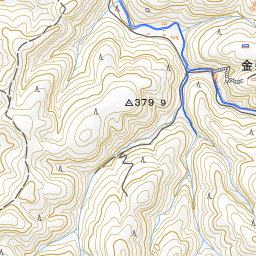
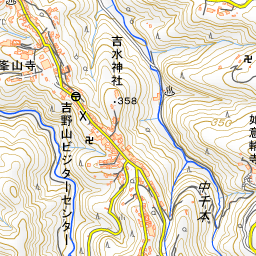
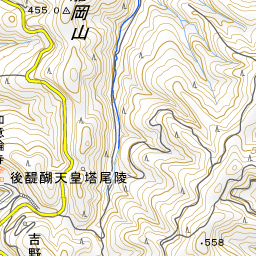
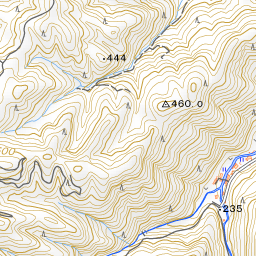
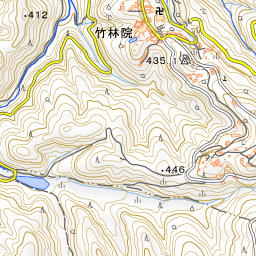
It is a 30-minute walk from the Chikurin-in-mae bus stop. The shrine's torii gate faces the Omine Okugake-michi, a pilgrimage path leading from Yoshino through Mt. Omine to Kumano Hongu. Following this path about 1.5 kilometers to the south leads to Kinpu-jinja Shrine in Oku-Senbon. Chikurin-in Temple is located about 1.2 kilometers to the northwest.
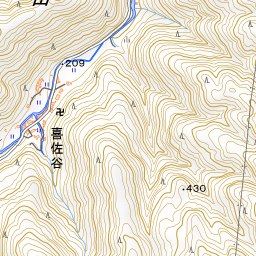
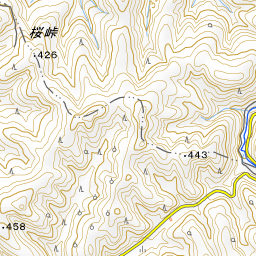
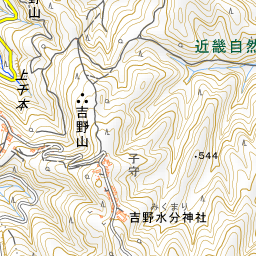
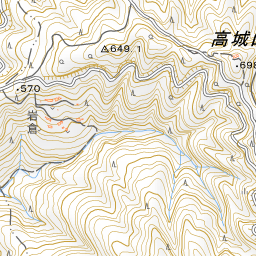
Spot location © OpenStreetMap contributors (ODbL)
Open in Google MapsGuides that include this spot (1)
Use asobot while you walk
- See where you are on the map and find spots nearby
- Listen to the guide's audio in course order, one after another (with subtitles)
- Walk to the next spot while following the map
Open on your phone
Scan to open this spot in asobot on your phone.