 ✨ AI Generated
Uji Bridge
Japanese: 宇治橋
Uji, Kyoto
This information was written by AI and may contain mistakes. Please check official sources for opening hours, fees, and other details before you go.
Found a mistake? Let us know with “✏️ Something's wrong” on this spot's screen in asobot →
🎧 Audio guide(0:55)
In short
A bridge spanning the Uji River, counted as one of the "Three Ancient Bridges of Japan," along with Seta no Karahashi and Yamazaki Bridge. It is said to have been first built in 646 by Doto, a monk of Gango-ji Temple in Nara, but the Shoku Nihongi records that it was built by the monk Dosho, so it is not certain who built it. The current bridge was completed in March 1996, with Japanese cypress railings topped with bronze giboshi (ornamental pole caps).
- The overhanging "San-no-ma": Located between the third set of pillars from the western end, it is said to be a remnant of where the guardian deity Hashihime was enshrined, or the place where Toyotomi Hideyoshi had water drawn for the tea ceremony
- Ritual of Drawing Famous Water: The Uji Tea Festival in October begins with the "Ritual of Drawing Famous Water" from San-no-ma
- Statue of Murasaki Shikibu at the western end: There is a statue of Murasaki Shikibu reading a text, dressed in junihitoe (twelve-layered robes), and you can enjoy the view of Uji Bridge spanning the river behind the statue
History and Highlights
Uji Bridge is a bridge spanning the Uji River and is counted as one of the "Three Ancient Bridges of Japan," alongside Seta no Karahashi and Yamazaki Bridge. It is said to have been first built in 646 (the second year of the Taika era) by the monk Doto of Gango-ji Temple in Nara, and its origins are engraved on the "Uji Bridge Broken Monument" (Ujibashi Danpi) located at Hashidera Hojoin Temple at the eastern end. This monument is a designated National Important Cultural Property. On the other hand, the Shoku Nihongi records that it was the monk Dosho who built Uji Bridge, so it is not certain who originally constructed it.
Uji Bridge spanned the point where the ancient Hokuriku Road, as well as the Nara Highway during the medieval and early modern periods, crossed the Uji River, serving as an important gateway to the capital. The Uji River frequently flooded, repeatedly washing the bridge away and necessitating its rebuilding. It was also the stage for the bridge battle depicted in The Tale of the Heike, and it has been celebrated in many poems since the Kokin Wakashu. During the Edo period, the Tsuen teahouse at the eastern end served as the bridge keeper.
The current bridge was completed in March 1996 (Heisei 8); it is 155.4 meters long and 25 meters wide. Constructed with Japanese cypress railings topped with bronze giboshi (ornamental pole caps), it was built to harmonize with the surrounding scenery while preserving the historic appearance of Uji Bridge.
Viewing and Experience Highlights
- The Overhanging "San-no-ma": Between the third set of pillars from the western end, there is a section projecting upstream called "San-no-ma." It is said to be the remnant of where the guardian deity Hashihime was enshrined, or the place where Toyotomi Hideyoshi had water drawn for tea ceremonies. The upstream view from here is magnificent.
- Ritual of Drawing Famous Water: The Uji Tea Festival in October begins with the "Ritual of Drawing Famous Water" from San-no-ma. It is a festival held around Uji Bridge in memory of the tea ancestors.
- Statue of Murasaki Shikibu at the Western End: At the western end of Uji Bridge stands a statue of Murasaki Shikibu reading a text while dressed in junihitoe (twelve-layered ceremonial robes). The "Uji Chapters" of The Tale of Genji begin with the Hashihime chapter and conclude with the Yume no Ukihashi chapter. Visitors can enjoy the view of Uji Bridge spanning the river behind the statue.
Walking Tips
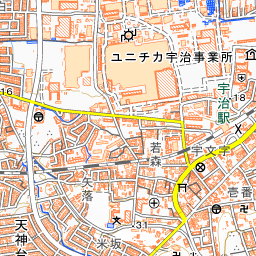
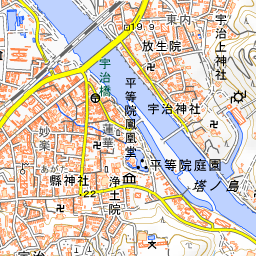
It is just outside Uji Station on the Keihan Uji Line, and about a 10-minute walk from Uji Station on the JR Nara Line. Crossing Uji Bridge leads to the Byodo-in Omotesando approach, which leads to Byodo-in Temple. Nearby are Byodo-in Temple, Taiho-an Teahouse, Kyoto Prefectural Uji Park, Uji-jinja Shrine, Ujigami-jinja Shrine, The Tale of Genji Museum, Uji City, and Chazuna, making the bridge an ideal starting point for exploring Uji.
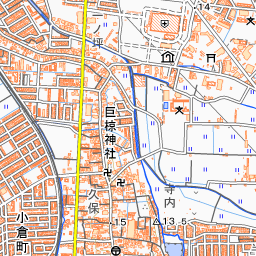
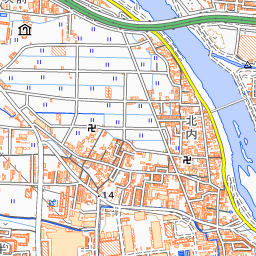
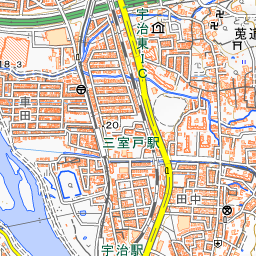
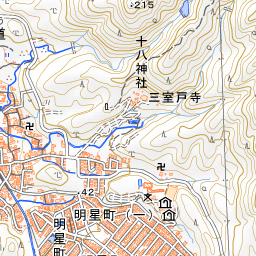
Spot location © OpenStreetMap contributors (ODbL)
Open in Google MapsGuides that include this spot (1)
Use asobot while you walk
- See where you are on the map and find spots nearby
- Listen to the guide's audio in course order, one after another (with subtitles)
- Walk to the next spot while following the map
Open on your phone
Scan to open this spot in asobot on your phone.