 ✨ AI Generated
Ushijima-jinja Shrine
Japanese: 牛嶋神社
Sumida City, Tokyo
This information was written by AI and may contain mistakes. Please check official sources for opening hours, fees, and other details before you go.
Found a mistake? Let us know with “✏️ Something's wrong” on this spot's screen in asobot →
🎧 Audio guide(1:01)
In short
Ushijima-jinja Shrine is known as the general tutelary shrine of Honjo. It is said to have originated around the Jogan era (859–877) and was also called Ushigozen-sha during the Edo period. True to its name, stone statues of cattle are located on the grounds.
- Nade-ushi: A stone ox known for the belief that rubbing a part of the ox corresponding to an afflicted part of one's own body will heal illness. It is said to heal not only the body but also the mind, and its surface has become shiny and dark from being stroked.
- Miwa Torii: In front of the main hall stands a Miwa torii (triple torii gate), which is rare nationwide.
- Sacred Cattle and Komainu Guardian Dogs: In the inner area of the grounds, a pair of sacred cattle face each other, believed to have been dedicated instead of komainu guardian dogs. There are also two pairs of Edo-period komainu.
History and Highlights
Ushijima-jinja Shrine is known as the general tutelary shrine of Honjo. It is said that around the Jogan era (859–877), Jikaku Daishi met, at a thatched hermitage, an old man who was a manifestation (gongen) of Susanoo-no-Mikoto, leading the shrine to be called Ushigozen. During the Edo period, it was also referred to as Ushigozen-sha.
The shrine was once situated on the north side of Sumida Park. Following the Great Kanto Earthquake, it was relocated to its current site in 1932 (Showa 7) due to park construction. The present shrine building is a wooden structure completed in this year, 1932. Around the roof projection (kohai) over the front steps of the hall, a dragon is carved in the central bay, and flying dragons are carved in the bays on both sides.
The most popular feature within the grounds is the stone Nade-ushi (rubbing ox). The dedication monument for the Nade-ushi is inscribed with the year Bunsei 8 (1825), showing that it has attracted devotion since the Edo period. The author Hori Tatsuo, who spent his childhood in Mukojima, wrote in his work Yonen Jidai ("Childhood"), "I was very fond of that ox with its somewhat melancholic gaze."
Viewing and Experience Points
- Nade-ushi: With the belief that rubbing the ox in the same place where one feels unwell will cure an ailment, it is said to heal the mind as well as the body. Because it is constantly being rubbed, its surface is smooth and glossed black.
- Miwa Torii: In front of the main hall stands a Miwa torii (triple torii gate), a rarity nationwide. In addition, a stone Myojin torii gate inscribed with the year Bunkyu 2 (1862) stands at the western boundary of the grounds.
- Sacred Cattle and Two Pairs of Komainu: Inside the tamagaki fence at the inner part of the grounds, a pair of stone sacred cattle face each other with stern expressions. They are believed to have been dedicated in place of komainu guardian dogs in connection with the shrine's popular name. There are also two pairs of Edo-period komainu on the grounds; the pair inscribed with Kyoho 14 (1729) is considered the oldest surviving komainu pair in the ward. Beside the other pair, inscribed with Bunsei 10 (1827), there are also komainu pups.
Tips for Exploring
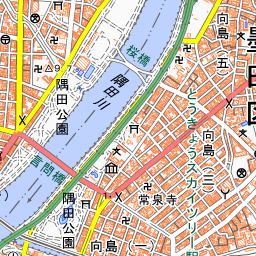
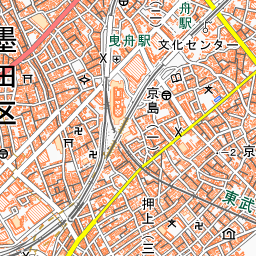
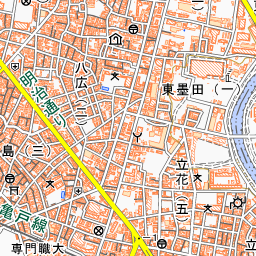
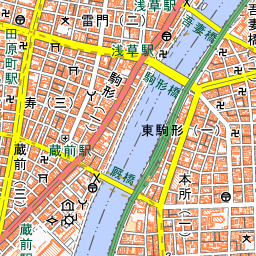
It is about a 7-minute walk from Tokyo Skytree Station on the Tobu Skytree Line. About 230 meters to the southwest is TOKYO mizumachi, and about 620 meters to the southeast is Tokyo Skytree. Visiting along with Mimeguri-jinja Shrine, located about 290 meters to the northeast, is a great way to tour the shrines of Mukojima along Sumida Park. For details about the cherry blossoms and gardens of Sumida Park, please see the description of Sumida Park.
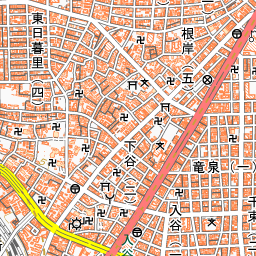
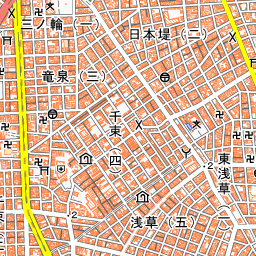
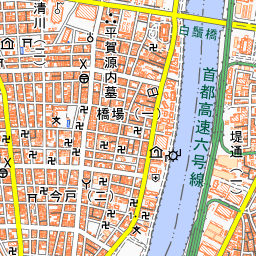


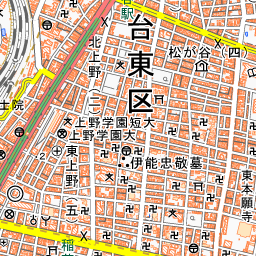


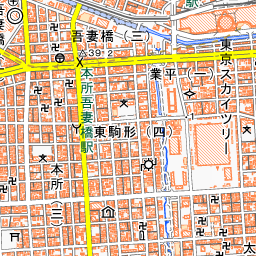
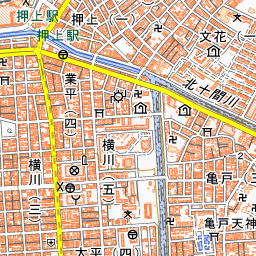

Spot location © OpenStreetMap contributors (ODbL)
Open in Google MapsGuides that include this spot (1)
Use asobot while you walk
- See where you are on the map and find spots nearby
- Listen to the guide's audio in course order, one after another (with subtitles)
- Walk to the next spot while following the map
Open on your phone
Scan to open this spot in asobot on your phone.