 ✨ AI Generated
Miyama Kayabuki-no-Sato
Japanese: 美山かやぶきの里
Nantan, Kyoto
This information was written by AI and may contain mistakes. Please check official sources for opening hours, fees, and other details before you go.
Found a mistake? Let us know with “✏️ Something's wrong” on this spot's screen in asobot →
🎧 Audio guide(1:03)
In short
A settlement in Kita, Miyama-cho, Nantan City, Kyoto Prefecture, where many thatched-roof houses remain. Situated at the uppermost reaches of the Yura River along the Wakasa Kaido road, 39 out of the 50 residences in the settlement still have thatched roofs. It was selected as a national Important Preservation District for Groups of Traditional Buildings in December 1993. Because it is a settlement where people live, please be respectful of their daily lives while walking around.
- Kitayama Style Houses: Houses with hip-and-gable roofs (irimoya-zukuri), admired for the beauty of their chigi (roof-fork decorations) and hafu (gables). Characteristics also include a four-room grid layout (ta-no-ji), wooden walls and doors, and a raised dirt-floor area known as an age-niwa
- Kaya Fields Protecting the Roofs: Across the Yura River from the settlement lie the kaya fields, where the miscanthus reed (kaya) used for thatching is harvested. Every year from late November, residents work together to cut the reeds, bind them, and let them dry for about six months. The roofs require re-thatching every 20 to 25 years
- Simultaneous Water Cannon Inspection: To prepare against fires, 62 water cannons are installed. A simultaneous inspection is carried out twice a year, in May and December, during which all the water cannons in the settlement operate at once and actually spray water into the air
History and Highlights
Miyama Kayabuki-no-Sato is a settlement located in Kita, Miyama-cho, Nantan City, Kyoto Prefecture, where many thatched-roof houses remain. Situated at the uppermost reaches of the Yura River along the Wakasa Kaido road, 39 out of the 50 residences in the hamlet still have thatched roofs. Most of these houses were built between the Edo period and the Meiji period.
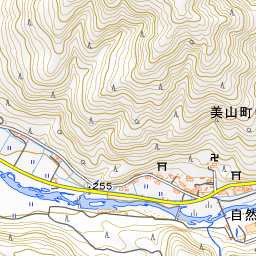
Surrounded on all sides by mountains, facing the clear waters of the Yura River to the south, and backed by the mountain range to the north, the settlement spreads across a terraced slope. Residential plots surrounded by stone walls around the main buildings, fields, village paths running between the properties, stone pagodas, and small stone shrines blend harmoniously with the thatched roofs. In recognition of the integration of buildings crafted with traditional techniques and the historic satoyama landscape, the area was selected as a national Important Preservation District for Groups of Traditional Buildings in December 1993.
This is not a commercial tourist destination lined with shops, but an active settlement where people live. The 39 thatched houses are private homes where residents continue their daily lives, and it is precisely because people live here that this scenery is preserved. At the foot of the mountain stands Chii Hachiman-jinja Shrine, which has long been venerated as the central shrine for the nine villages of Chii; its grounds are designated as a Kyoto Prefecture Cultural Property Environmental Conservation District, and its main hall is a Kyoto Prefecture designated and registered tangible cultural property.
Viewing and Experience Highlights
- Kitayama Style Houses: The thatched-roof houses in the settlement feature hip-and-gable roofs (irimoya-zukuri) and represent what is known as the "Kitayama Style," admired for the beauty of their chigi (roof-fork decorations) and hafu (gables). Characteristics of the Kitayama Style also include a four-room grid layout (ta-no-ji), wooden walls and doors, and a raised dirt-floor area known as an age-niwa.
- Kaya Fields Protecting the Roofs: Across the Yura River from the settlement lie the kaya fields, where the miscanthus reed (kaya) used for thatching is harvested. Every year from late November, residents work together to cut the reeds, bind them, and let them dry for about six months. The thatched roofs require re-thatching every 20 to 25 years.
- Simultaneous Water Cannon Inspection: To prepare against fires, 62 water cannons are installed throughout the settlement. A simultaneous inspection is carried out twice a year, in May and December, during which all the water cannons in the settlement operate at once, actively spraying water into the air.
Travel Tips
The settlement is a place where residents live. Please be respectful of their daily lives while walking around. Except for residents and authorized personnel, cars and motorcycles are not permitted to enter the settlement, so please park your vehicle in the parking lot in front of the village. When visiting by train and bus, take the Nantan Municipal Bus from JR Hiyoshi Station and get off at "Kita (Kayabuki-no-Sato)." The interior structure of a thatched house and tools from traditional rural life can be viewed at the Miyama Folk Museum within the village. Inside the hamlet, Kayabuki-no-Sato Noda Shoten offers sightseeing pamphlets and provides visitor information for the settlement.
Guides that include this spot (1)
Use asobot while you walk
- See where you are on the map and find spots nearby
- Listen to the guide's audio in course order, one after another (with subtitles)
- Walk to the next spot while following the map
Open on your phone
Scan to open this spot in asobot on your phone.