 ✨ AI Generated
Byakugo-ji Temple
Japanese: 白毫寺
Nara City, Nara
This information was written by AI and may contain mistakes. Please check official sources for opening hours, fees, and other details before you go.
Found a mistake? Let us know with “✏️ Something's wrong” on this spot's screen in asobot →
🎧 Audio guide(1:07)
In short
Byakugo-ji Temple stands on high ground at the western foot of Mt. Takamado, offering a sweeping view of the city of Nara from its grounds. Legend has it that the temple was built on the site of a mountain villa belonging to Prince Shiki. It is also known for its ancient five-colored camellia tree and autumn bush clovers.
- Views from the grounds: Take in panoramic views stretching across the Nara Basin.
- Buddhist statues in the treasure house: Eight Buddhist statues designated as Important Cultural Properties are enshrined here, including the seated statue of the principal image, Amida Nyorai, and a seated statue of King Enma.
- The five-colored camellia and bush clovers on the stone steps: The five-colored camellia, a Prefectural Natural Monument, is counted among the Three Famous Camellias of Nara. In autumn, blooming bush clovers adorn the stone steps along the approach.
History and Highlights
Byakugo-ji Temple is located at the foot of Mt. Takamado, which connects to the south of Mt. Kasuga. There are several theories regarding its founding. A legend remains that it was built on the site of a mountain villa of Prince Shiki, son of Emperor Tenji, and it is said to have begun in 715 (Reiki 1), after the prince's death, when the villa site was turned into a temple. It is also said to have been a sub-temple of Iwabuchi-dera Temple, which was once located near Mt. Takamado.
In the Kamakura period, it was restored by Eison, who revived many temples. After his disciple Dosho brought back printed copies of the Song Dynasty edition of the Buddhist canon (Issai-kyo) from China, it was also called "Issai-kyo-ji" and flourished as a place of folk faith. Although it fell into decline after losing its buildings to the fires of war in the Muromachi period, it was restored around the Kanei era of the Edo period by Kukei of Kofuku-ji Temple.
The current main hall is a Nara City Designated Cultural Property. Showing characteristics of the early Edo period in its details, it is believed to be the building from the time of that restoration. Built in the "sangen-shimen" style, with an aisle (hisashi) surrounding all four sides of a central core (moya) three bays wide, it is an example of a Nanto (southern capital) temple main hall continuing traditions since the Nara period.
Mt. Takamado is featured in many poems in the Man'yoshu. One such poem reads: "The autumn bush clovers on the fields of Takamado—are they blooming and scattering in vain, with no one to see them?" In autumn, the stone steps of the approach are colored by bush clover blossoms, and the site is also known as a bush clover temple.
Viewing and Experience Points
- Seated statue of King Enma in the treasure house: Eight Buddhist statues designated as Important Cultural Properties are housed in the treasure house, including the seated statue of the principal image Amida Nyorai and the seated statue of King Enma. King Enma is the ruler of the underworld who judges the sins of the dead committed in life, and the statue is full of power. On the ennichi (holy day) of January 16, a Buddhist service praying for good health is held.
- The ancient five-colored camellia: A Prefectural Natural Monument of Nara and one of the Three Famous Camellias of Nara. It is said to have been transplanted from Kita-in, a sub-temple of Kofuku-ji Temple, during the Kanei era (1624–1645). Its flowers bloom around late March to early April.
- Panorama from the grounds: Nearby, trees, gates, and stone steps come into view, beyond which spreads the Nara cityscape, with the Ikoma mountain range stretching far in the distance. You can look out over the expanse of the Nara Basin. There is a viewing space in the grounds, with benches provided.
Travel Tips
By bus, it is about a 10-minute walk from the "Byakugo-ji" bus stop, but services are infrequent. It takes about 15 minutes from the "Takabatake Jutaku" bus stop, and about 20 minutes from the "Takabatakecho" bus stop on the city loop bus. There is no parking lot. Shin-Yakushi-ji Temple is about 730 meters northwest, and the Irie Taikichi Memorial Museum of Photography Nara City is about 740 meters northwest. Visits can easily be combined with a walk around the Takabatake neighborhood. The Issai-kyo Buddhist Memorial Service on April 8 is mentioned in a traditional phrase, "Though the cold is said to end by the equinox, it still lingers until the Issai-kyo," and is also said to be an event heralding the arrival of spring in Nara.


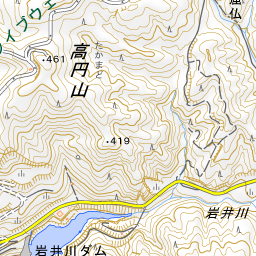
Spot location © OpenStreetMap contributors (ODbL)
Open in Google MapsGuides that include this spot (1)
Use asobot while you walk
- See where you are on the map and find spots nearby
- Listen to the guide's audio in course order, one after another (with subtitles)
- Walk to the next spot while following the map
Open on your phone
Scan to open this spot in asobot on your phone.