 ✨ AI Generated
Miyazu Catholic Church
Japanese: カトリック宮津教会
Miyazu, Kyoto
This information was written by AI and may contain mistakes. Please check official sources for opening hours, fees, and other details before you go.
Found a mistake? Let us know with “✏️ Something's wrong” on this spot's screen in asobot →
🎧 Audio guide(1:07)
In short
A wooden church standing in the town center of Miyazu. Its chapel is a national Important Cultural Property under the name Miyazu Senja Sei Yohane Tenshudo. It was built in 1896, designed by Father Louis Relave and constructed by local craftsmen. It is still a place of prayer, and visitors can view the interior only on the open chapel days announced by the church.
- Tatami-matted congregation seating: The seating has been covered with tatami since the church was built, conveying the atmosphere of missionary work in the Meiji period to the present day
- Wooden rib vault ceiling: The ceiling has a structure often seen in European cathedrals. The colonnades use Japanese zelkova cut in the mountains of the Tango Peninsula
- Colored glass windows and Japanese-style touches: The colored glass with komon-like patterns, the sliding doors, the white walls, the wooden pillars, and the tatami together create a calm atmosphere, like being in the main hall of a Buddhist temple
History and Highlights
Miyazu Catholic Church is a wooden church standing in the town center of Miyazu. The chapel is designated as a national Important Cultural Property under the name "Miyazu Senja Sei Yohane Tenshudo" (St. John the Baptist Catholic Church of Miyazu). It is still used as a place of prayer today, and visitors can view the interior only on open chapel days announced by the church. The church requests that visitors refrain from touring the building while services such as Mass, weddings, or funerals are being held.
The chapel was designed by Father Louis Relave, who was sent by the Paris Foreign Missions Society to conduct missionary work in the Tango region, and was built by local craftsmen in 1896 (Meiji 29). "Senja Sei Yohane" refers to St. John the Baptist. The exterior is based on Romanesque architecture topped with a tiled roof, and the front facade was rebuilt following the North Tango Earthquake of 1927 (Showa 2). The church introduces the building as Japan's oldest wooden Catholic chapel where Mass is still celebrated today. The national designation commentary also describes it as one of the oldest surviving wooden Catholic church buildings outside of Nagasaki. It was designated as a Tangible Cultural Property of Kyoto Prefecture in 2021, and as a national Important Cultural Property in January 2024.
Viewing and Experience Highlights
- Tatami-Matted Congregation Seating: The seating area where parishioners sit has been covered with tatami mats since the church was built. While many churches built after the lifting of the ban on Christianity later switched to chair seating, this church has preserved its tatami, conveying the atmosphere of missionary work during the Meiji period to the present day.
- Wooden Rib Vault Ceiling: The ceiling features a rib vault structure frequently seen in European cathedrals. The church suggests that this level of refinement was likely achieved because it was constructed by the shipwrights of Miyazu, a town that once flourished through the Kitamaebune cargo shipping trade. Japanese zelkova cut from the mountains of the Tango Peninsula was used for the colonnades that separate the nave from the side aisles.
- Colored Glass Windows and Japanese-Style Appointments: The windows feature colored glass with patterns resembling komon (fine repeating stencils) fitted into wooden frames, creating a stained-glass-like effect. The front doors and windows are sliding screens, which, combined with the white walls, wooden pillars, and tatami, create a serene atmosphere reminiscent of a temple's main hall. All the holy statues inside the chapel, including their pedestals and canopies, were brought from France.
Travel Tips
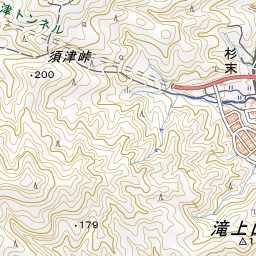
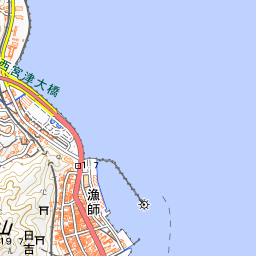
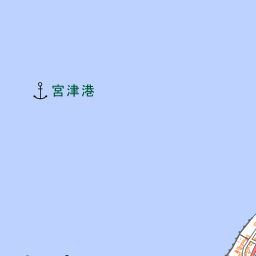
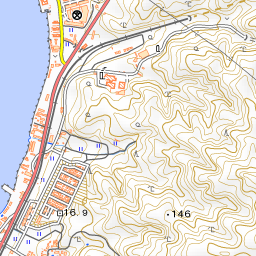
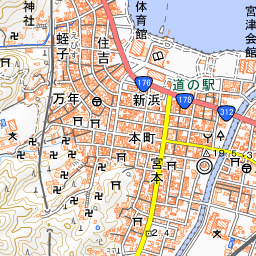
The church is about an 8-minute walk from Miyazu Station on the Kyoto Tango Railway. As open days are announced through the church's notices, please check before visiting. According to information from the Amanohashidate Tourism Association, the exterior cannot currently be viewed due to seismic retrofitting work, but the interior can be toured on designated open days. Please tour quietly inside the chapel so as not to disturb those who are praying; eating, drinking, and photography are not permitted. Entry beyond the partition into the sanctuary (altar area) is also not allowed. Visitors may take part in Mass as long as they remain seated and refrain from private conversation. Located about 470 meters to the northwest is the Former Mikami Family Residence, an Important Cultural Property, which can be visited together on a walking tour of Miyazu.



Spot location © OpenStreetMap contributors (ODbL)
Open in Google MapsUse asobot while you walk
- See where you are on the map and find spots nearby
- Listen to the guide's audio in course order, one after another (with subtitles)
- Walk to the next spot while following the map
Open on your phone
Scan to open this spot in asobot on your phone.