 ✨ AI Generated
Katsura Imperial Villa
Japanese: 桂離宮
Nishikyo Ward, Kyoto
This information was written by AI and may contain mistakes. Please check official sources for opening hours, fees, and other details before you go.
Found a mistake? Let us know with “✏️ Something's wrong” on this spot's screen in asobot →
🎧 Audio guide(1:07)
In short
Katsura Imperial Villa is a mountain villa founded as an estate for the imperial branch family by Imperial Prince Toshihito, the younger brother of Emperor Goyozei and the first head of the Hachijonomiya family. The second-generation head, Imperial Prince Toshitada, established roughly the form seen today by around 1662. Having never suffered from fires since its founding, it preserves almost the exact appearance of when it was built, and today it is managed by the Imperial Household Agency. Visiting requires an application to the Imperial Household Agency, and in addition to advance applications, same-day registration is also accepted on site.
- Shoin buildings and the moon-viewing platform: From the east, the Koshoin, Chushoin, Music Room, and Shin Goten stand in a row arranged in a staggered, geese-in-flight (ganko) pattern. Projecting out over the pond from the Koshoin is the Tsukimidai, a slatted bamboo platform for viewing the moon
- Teahouses of varied character: The Shokin-tei Teahouse is the highest-ranking teahouse at Katsura Imperial Villa, renowned for the bold blue-and-white checkered design on the tokonoma alcove and fusuma sliding doors of the primary room. The Shokatei, Shoiken, and Gepparo teahouses each have their own distinct character
- A garden that changes with every step: The central pond has five islands, spanned by earthen, wooden, and stone bridges. As you follow the garden path, the scenery shifts, as the pond disappears from sight and then spreads out before your eyes
History and Highlights
Katsura Imperial Villa is a mountain villa founded as an estate for the imperial branch family by Imperial Prince Toshihito, the younger brother of Emperor Goyozei and the first head of the Hachijonomiya family. Prince Toshihito acquired this land in the early 17th century and began construction around the first year of the Genna era (1615). In about several years, he completed the Katsura Villa, which maintained an elegant dignity while being simple. Following the prince's death, the villa experienced a period of disrepair, but the second-generation head, Imperial Prince Toshitada, undertook its restoration and expansion. By around the second year of the Kanbun era (1662), he had built the Chushoin (Middle Shoin), Shin Goten (New Palace), Gepparo, Shokin-tei Teahouse, Shokatei, and Shoiken, establishing roughly the form seen today. The Hachijonomiya family later changed its name to the Katsuranomiya family, which ended in the 14th year of the Meiji era (1881). In the 16th year of the Meiji era (1883), the villa came under the jurisdiction of the Imperial Household Ministry and came to be called Katsura Imperial Villa. Having never suffered from fires since its founding, it preserves almost the exact appearance of when it was built. Today, it is managed by the Imperial Household Agency alongside Kyoto Imperial Palace and Shugakuin Imperial Villa.
Points for Appreciation and Experience
- Shoin Buildings and the Moon-Viewing Platform: The Koshoin (Old Shoin), Chushoin, Music Room, and Shin Goten stand in a row arranged in a staggered, diagonal geese-in-flight (ganko) pattern from east to west. Projecting out over the pond from the Koshoin is the Tsukimidai, a slatted bamboo platform designed for viewing the moon. The Katsuradana shelves in the Shin Goten, together with the Kasumidana Shelves of Shugakuin Imperial Villa and the Daigodana shelves of Sanbo-in Temple, are referred to as the "Three Great Shelves of the Realm."
- Teahouses of Varied Character: The Shokin-tei Teahouse is the highest-ranking teahouse at Katsura Imperial Villa, built in the thatched-roof irimoya (hip-and-gable) style. It is renowned for its bold blue-and-white checkered design on the tokonoma alcove and fusuma sliding doors of the primary room. The other teahouses each have their own distinct character, including the Shokatei, built on the highest point in the grounds in the style of a mountain-pass teahouse; the Shoiken, styled like a rustic country dwelling; and the Gepparo, set on an elevation beside the pond well-suited for moon viewing.
- A Garden that Changes with Every Step: The central pond features an intricately indented shoreline, with earthen, wooden, and stone bridges spanning five central islands. As you follow the garden path, the scenery shifts—at times the pond disappears from sight, and at others it spreads out before your eyes. Other highlights include the Suhama, a pebble beach paved with flat black stones featuring a stone lantern at its tip resembling a cape lighthouse; an island and stone bridge said to be modeled after Amanohashidate; and the nobedan (paved stone paths), which are compared to the formal, semi-formal, and informal (shin, gyo, so) styles.
Tips for Visiting
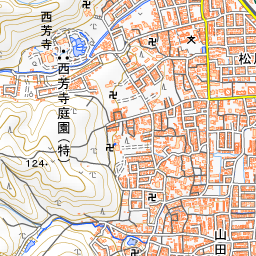
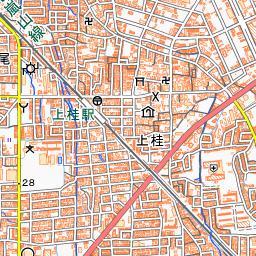
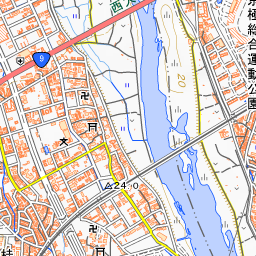
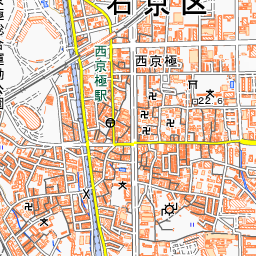
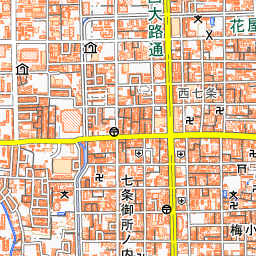
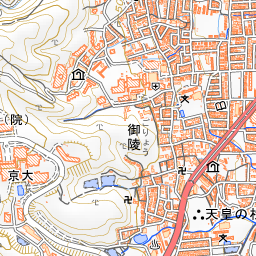
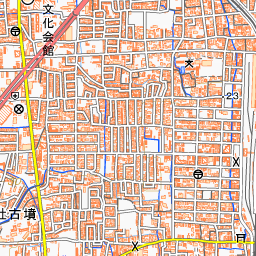
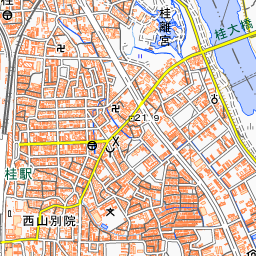
Visiting requires an application with the Imperial Household Agency, which can be made in advance or accepted on-site on the day of the visit. As the paths consist of gravel, steps, and many stepping stones, be sure to wear comfortable walking shoes. To protect the garden, staff may ask visitors to change into provided footwear. It is about a 20-minute walk from Katsura Station on the Hankyu Kyoto Line.

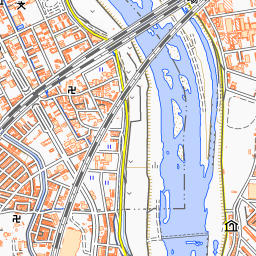
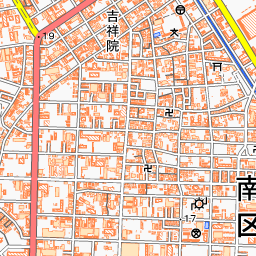
Spot location © OpenStreetMap contributors (ODbL)
Open in Google MapsUse asobot while you walk
- See where you are on the map and find spots nearby
- Listen to the guide's audio in course order, one after another (with subtitles)
- Walk to the next spot while following the map
Open on your phone
Scan to open this spot in asobot on your phone.