 ✨ AI Generated
Hozan-ji Temple
Japanese: 宝山寺
Ikoma, Nara
This information was written by AI and may contain mistakes. Please check official sources for opening hours, fees, and other details before you go.
Found a mistake? Let us know with “✏️ Something's wrong” on this spot's screen in asobot →
🎧 Audio guide(1:15)
In short
Hozan-ji Temple is a head temple (daihonzan) of the Shingon Risshu sect, located halfway up the eastern side of Mount Ikoma. The temple was founded in 1678 by Tankai. Its principal image is Fudo Myo'o (Acala), but Kangiten enshrined in the Shoten-do Hall is deeply revered, earning the temple the familiar nickname "Ikoma Shoten." During the Edo period, it attracted devotion from Osaka merchants as a deity of business.
- Hannyakutsu: Temple halls such as the main hall and the Shoten-do Hall stand against the backdrop of a large rock face known as Hannyakutsu.
- Shishikaku: A Western-style building erected in the Meiji period as a guest hall; built by a shrine carpenter, it features tiled roofs and Japanese-style tatami rooms, and is designated as a National Important Cultural Property.
- The Approach and Torii Gate: The approach leading to the temple features approximately 1,000 stone steps, and despite being a Buddhist temple, a torii gate stands along it.
History and Highlights
Hozan-ji Temple is a head temple (daihonzan) of the Shingon Risshu sect located in Monzen-cho, Ikoma City. Situated halfway up the eastern slope of Mount Ikoma, its official name is Toshidasan Daisho Mudo-ji. Although its principal image is Fudo Myo'o, Kangiten worshipped in the Shoten-do Hall commands deep faith, and the temple is affectionately called "Ikoma Shoten."
According to tradition, Mount Ikoma was opened in 655 by En no Gyoja as a training ground for Shugendo, and it is said that Kukai also trained here. The mid-slopes of Mount Ikoma also served as a training area for Katsuragi Shugen. In 1678, Tankai arrived here and founded the temple. Tankai enshrined Miroku Bosatsu (Maitreya) in Hannyakutsu and erected the Shoten-do Hall in 1686, developing the temple's grounds.
In 1699, it became a prayer site upon the birth of an imperial prince to Emperor Higashiyama, and from then on, it came to be regarded as a chokugan-ji (temple under imperial decree). During the Edo period, it drew the faith of Osaka merchants as a guardian of commerce, and prayers were also offered by the imperial court and the Tokugawa shogunate family. In 1918, Japan's first commercial cable car opened, used by visitors making pilgrimages to Ikoma Shoten.
Viewing and Experience Highlights
- Hannyakutsu and the Main Hall: The towering rock face behind the main hall is Hannyakutsu. It is the remnant of a prehistoric volcano, and tradition says that En no Gyoja enshrined the Prajnaparamita Sutra (Hannya-kyo) written in Sanskrit script here in 664, which is the origin of the name Hannyakutsu. The sight of the main hall, Shoten-do Hall, Tahoto pagoda, and Emado hall standing in a row against this sheer cliff is magnificent.
- The Western-Style Guest Hall, Shishikaku: Shishikaku is a two-story Western-style structure built in the Meiji period as a guest hall, and is designated as a National Important Cultural Property. It was crafted by the shrine carpenter Yoshimura Matsutaro, who reportedly learned by observing Western architecture in Kobe and Yokohama. While featuring Western elements like a spiral staircase and colored glass doors, it also incorporates Japanese roof tiles and tatami rooms, harmonizing Western and Japanese styles.
- Torii Gate on the Approach: A torii gate stands on the temple approach because Kangiten, who is enshrined here, is a Tenbu (deva) guardian deity of Buddhism. Because this deity abhors spiritual impurity, it is customary for worshippers to pass through the torii gate to purify themselves before praying.
Tips for Exploring
Transfer to the cable car at Kintetsu Ikoma Station, get off at Hozanji Station, and walk for about 10 minutes. The entrance to the approach is near Kintetsu Ikoma Station, allowing you to walk up the approximately 1,000 stone steps. You can also stop by shops along the approach. Temple market days (ennichi) are held on the 1st and 16th of every month. Continuing further up the mountain by cable car brings you to Ikoma Sanjo Amusement Park, located about 900 meters to the southwest.
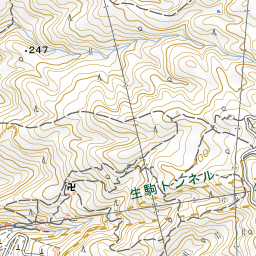
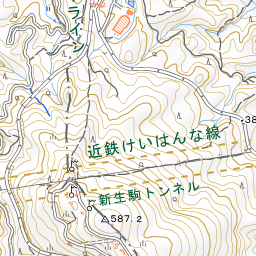
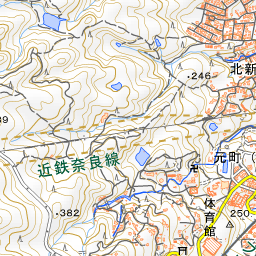
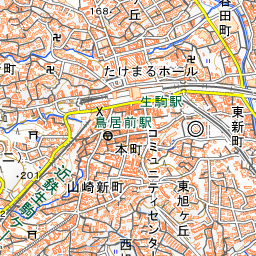
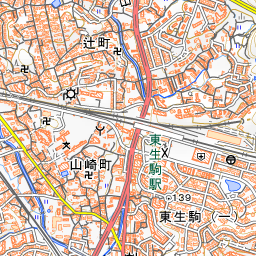
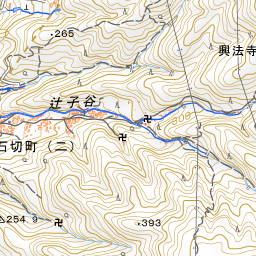
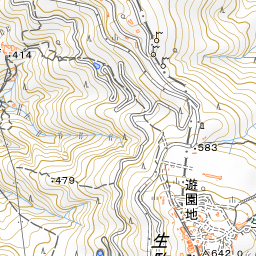

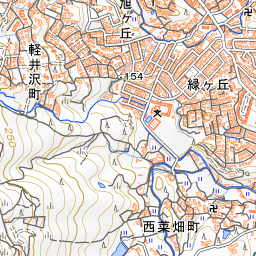
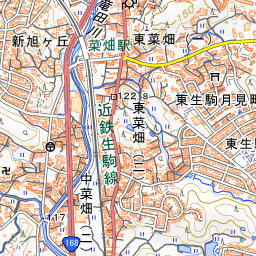
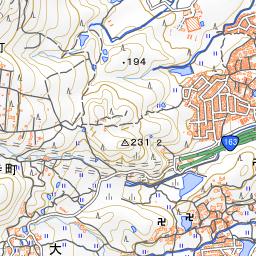
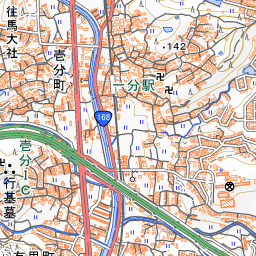
Spot location © OpenStreetMap contributors (ODbL)
Open in Google MapsGuides that include this spot (1)
Use asobot while you walk
- See where you are on the map and find spots nearby
- Listen to the guide's audio in course order, one after another (with subtitles)
- Walk to the next spot while following the map
Open on your phone
Scan to open this spot in asobot on your phone.