 ✨ AI Generated
Jiko-in Temple
Japanese: 慈光院
Yamatokoriyama, Nara
This information was written by AI and may contain mistakes. Please check official sources for opening hours, fees, and other details before you go.
Found a mistake? Let us know with “✏️ Something's wrong” on this spot's screen in asobot →
🎧 Audio guide(1:09)
In short
Jiko-in Temple is a temple of the Daitoku-ji branch of the Rinzai Zen sect, built in 1663 as a family temple for his father by Katagiri Sekishu, a daimyo who became the founder of the Sekishu school of tea ceremony. Rather than a conventional temple, the entire grounds were designed as a single venue for tea gatherings. The thatched shoin (drawing hall) and tearooms are Important Cultural Properties, and the garden is designated as a National Historic Site and Place of Scenic Beauty.
- Thatched Shoin: A building with a thatched exterior reminiscent of a farmhouse, featuring lowered ceilings and lintels to create a calming ambiance when seated.
- Pruned Garden: With almost no stones used, the entire temple grounds are shaped into a garden through rounded clipped satsuki azaleas and trimmed trees.
- Two Tearooms: It houses a tearoom of two tatami mats plus a daime mat (nijo-daime), regarded as Sekishu's representative tea gathering space, and a three-tatami tearoom also known as the "Kan-chashitsu" (Quiet Tearoom).
History and Highlights
In 1663, Katagiri Sadamasa, the second lord of the Koizumi Domain, built this temple within his domain as a family temple for his father, Sadataka, who was the first domain lord. Sadamasa was a tea master known by the name Sekishu. It is a temple of the Daitoku-ji branch of Rinzai Zen, established with Monk Gyokushu invited from Daitoku-ji in Kyoto as the founding priest.
Sekishu was born in 1605 in Ibaraki, Settsu Province, as the son of Sadataka, the younger brother of Katagiri Katsumoto. He learned the chanoyu tea ceremony from Kuwayama Sosen, who followed the lineage of Sen no Doan, the eldest son of Sen no Rikyu. In 1665, Sekishu became the tea ceremony instructor to the fourth shogun, Tokugawa Ietsuna. Sekishu's teachings later spread as the "Sekishu school." In his later years, he lived quietly at this temple and passed away here in 1673.
Jiko-in Temple preserves an entire suite of spaces for entertaining guests with tea, leading from the gate along the pathway to the building, through the tatami rooms and garden, and across the roji garden path into a small tea gathering space. For more than 300 years, it has maintained the scene exactly as staged by this single tea master.
Points for Appreciation and Experience
- Ibaraki Castle Tower Gate: When Ibaraki Castle, where Sekishu was born, was dismantled following the "One Castle per Province" decree, Sekishu received this gate and made it the temple's main entrance gate. Its roof was replaced with thatch to match the shoin. A two-story gate with thatch on both upper and lower roofs is rare across the country. It was also favored by the author Shiga Naoya.
- Shoin and Garden: The shoin, with its farmhouse-like thatched exterior, features lowered ceilings and lintels to offer a tranquil atmosphere when seated. Sitting in the shoin reveals a garden of rounded clipped satsuki azaleas and mixed hedges of several dozen types of trees. Using almost no stones, the entire temple grounds were shaped as a garden designed to harmonize with the surrounding scenery, incorporating the distant eastern mountains of Yamato as borrowed scenery. The shoin is an Important Cultural Property, and the garden is a National Historic Site and Place of Scenic Beauty.
- Tearooms and Chozubachi: The two-tatami-plus-daime tearoom features a "teishudoko" layout, where the alcove (tokonoma) is placed behind the temae-datami (the host's mat), and is considered Sekishu's signature tea room. Among surviving tearooms whose era and creator can be verified, it is said to be the oldest, and is an Important Cultural Property. There is also a three-tatami tearoom known as the "Kan-chashitsu." The four water basins (chozubachi and tsukubai) created by Sekishu to accompany the shoin and tearooms are also designated as Important Cultural Properties.
Tips for Exploring
The slope that branches off from the paved road and leads up to the first gate is the front approach (omote-sando) of Jiko-in Temple. Ascend the several-dozen-meter slope and pass through the thatched Ibaraki Castle Tower Gate toward the shoin. To the east of the shoin lies a pond traditionally called "Jiko-in Hasuike" (Lotus Pond). On the ceiling of the main hall, built in 1984, is an ink painting of a cloud dragon.
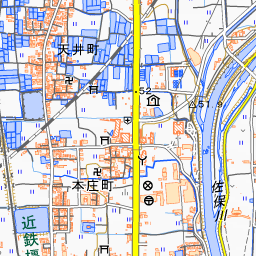
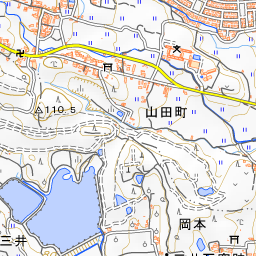
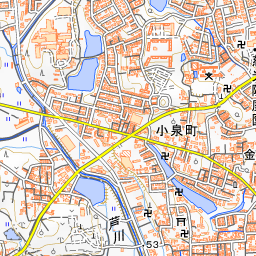
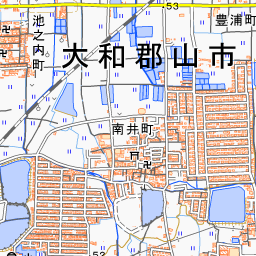
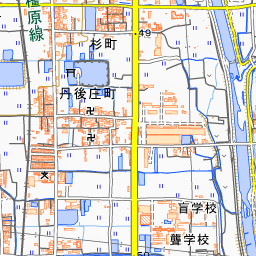
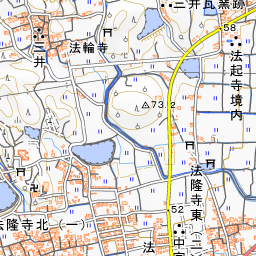
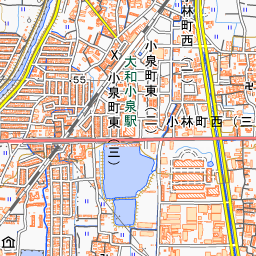
It is about an 18-minute walk from JR Yamato-Koizumi Station. Hoki-ji Temple is located about 1.5 kilometers to the southwest, making it convenient to visit together.
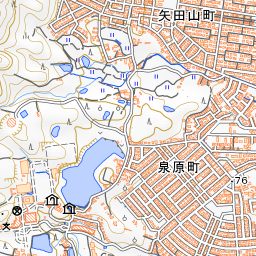
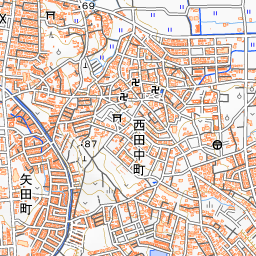

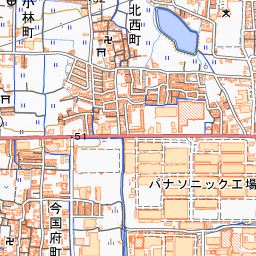
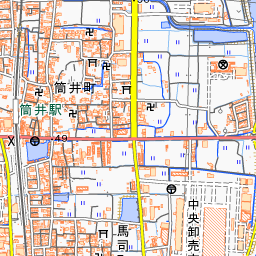
Spot location © OpenStreetMap contributors (ODbL)
Open in Google MapsGuides that include this spot (1)
Use asobot while you walk
- See where you are on the map and find spots nearby
- Listen to the guide's audio in course order, one after another (with subtitles)
- Walk to the next spot while following the map
Open on your phone
Scan to open this spot in asobot on your phone.