 ✨ AI Generated
Isonokami-jingu Shrine
Japanese: 石上神宮
Tenri, Nara
This information was written by AI and may contain mistakes. Please check official sources for opening hours, fees, and other details before you go.
Found a mistake? Let us know with “✏️ Something's wrong” on this spot's screen in asobot →
🎧 Audio guide(1:06)
In short
Isonokami-jingu Shrine is a shrine situated on high ground at the western foot of Mount Ryuo in Tenri City. The precinct is surrounded by dense evergreen trees. Considered one of Japan's oldest shrines, it has been venerated as the ancestral tutelary shrine of the ancient, powerful Mononobe clan. Its National Treasure Haiden (worship hall) is said to be the oldest existing haiden in Japan.
- National Treasure Haiden: Said to be the Shinkaden Hall of the Imperial Palace, donated by Emperor Shirakawa
- Kinsokuchi (Forbidden Land): Located behind the haiden and surrounded by a stone fence carved with "Furu-sha", this is the most sacred area of the shrine
- Roosters in the Precinct: Friendly, multi-colored roosters warmly welcome visitors. Roosters are regarded as divine messengers
History and Highlights
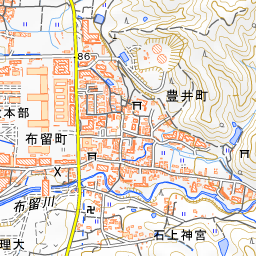
Isonokami-jingu Shrine sits on high ground at the western foot of Mount Ryuo on the eastern edge of the Nara Basin. The precinct is surrounded by dense evergreen trees, with the Furu River flowing to the north. It is one of Japan's oldest shrines and the ancestral tutelary shrine of the Mononobe clan, leaders of the military aristocracy.
The main enshrined deity is Futsu-no-mitama-no-Okami. This name honors the spiritual power residing in the sacred sword "Futsu-no-mitama," which is said to have aided Emperor Jinmu in safely reaching Yamato. Tradition holds that the shrine began in the 7th year of the reign of the 10th emperor, Emperor Sujin, when Ikagashikoo-no-mikoto, an ancestor of the Mononobe clan, moved and enshrined the sword at Isonokami Furu-no-takaniwa on this land.
The shrine originally did not have a honden (main hall). The main deity was enshrined by being buried within the kinsokuchi (forbidden land) behind the haiden. In 1874 (the 7th year of the Meiji period), when Head Priest Kan Masatomo excavated the forbidden land, the sacred sword "Futsu-no-mitama" was discovered along with numerous beads, swords, and spears. Subsequently, the honden was built in 1913 (the 2nd year of the Taisho period).
The prized Shichishito (Seven-Branched Sword) is a National Treasure. According to the current reading of its inscription, it is believed to have been made in 369 CE. It is thought to correspond to the "Nanatsusaya-no-tachi" mentioned in the Nihon Shoki as a gift presented by Baekje.
Viewing and Experience Highlights
- National Treasure Haiden and Romon Gate: The haiden is said to be the Shinkaden Hall of the Imperial Palace, donated by Emperor Shirakawa in 1081 (the 1st year of the Eiho era), making it the oldest existing haiden. The vermilion Romon Gate, built in 1318 (the 2nd year of the Bunpo era), is designated as an Important Cultural Property.
- Kinsokuchi (Forbidden Land): The forbidden land behind the haiden is enclosed by a stone mizugaki (sacred fence) shaped like sword tips and inscribed with "Furu-sha". Measuring 44.5 meters east-to-west and 29.5 meters north-to-south, it is the most sacred place within the holy precinct, and entry is strictly prohibited.
- Roosters and Sacred Cryptomerias: In the precinct, colorful roosters welcome visitors with friendliness. Roosters have long been revered as birds that announce the dawn and are regarded as divine messengers. Several cryptomeria trees around 30 meters tall and over 300 years old stand in the precinct, praised in poetry as the "Sacred Cryptomerias of Isonokami Furu" since the Manyo period.
Travel Tips
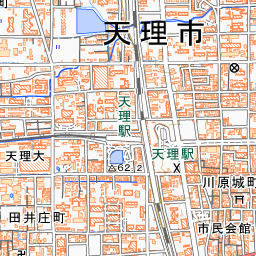
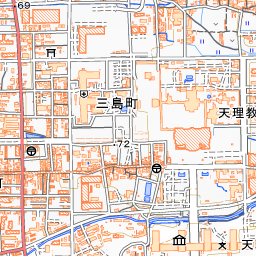
It is about a 30-minute walk from Tenri Station. Right beside the Otorii gate at the entrance to the approach path stands a monument bearing a poem by Kakinomoto no Hitomaro from the Manyoshu. The haiden of the auxiliary Izumo Takeo-jinja Shrine is also a National Treasure, having originally served as the worship hall of the Sumiyoshi Shrine, the guardian shrine of Uchiyama Eikyu-ji Temple. The Yamanobe-no-Michi Path, which retains much of the atmosphere of an ancient road, continues southward from here at Isonokami-jingu Shrine. About 860 meters to the west lies the Tenri University Sankokan Museum, and about 880 meters to the west-northwest is the Tenrikyo Church Headquarters.
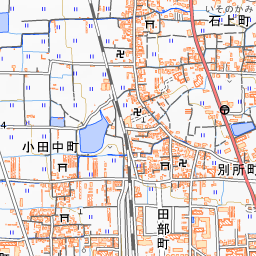
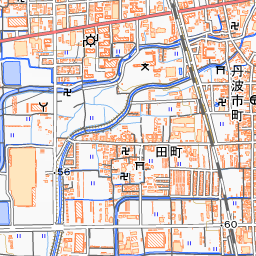
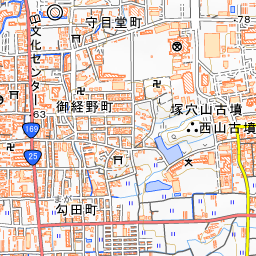
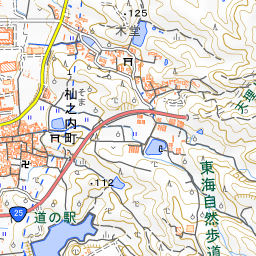
Spot location © OpenStreetMap contributors (ODbL)
Open in Google MapsGuides that include this spot (1)
Use asobot while you walk
- See where you are on the map and find spots nearby
- Listen to the guide's audio in course order, one after another (with subtitles)
- Walk to the next spot while following the map
Open on your phone
Scan to open this spot in asobot on your phone.