 ✨ AI Generated
Domyo-ji Temple
Japanese: 道明寺
Fujiidera, Osaka
This information was written by AI and may contain mistakes. Please check official sources for opening hours, fees, and other details before you go.
Found a mistake? Let us know with “✏️ Something's wrong” on this spot's screen in asobot →
🎧 Audio guide(1:14)
In short
A nunnery of the Omuro branch of the Shingon sect associated with Sugawara Michizane, with the mountain name Rendozan. In ancient times it was called Haji-dera Temple and served as the clan temple of the Haji clan. Kakujuni, a descendant of the Haji clan and an aunt of Michizane, entered this temple, and Michizane also visited frequently. After Michizane's death, Haji-dera Temple was renamed Domyo-ji Temple.
- National Treasure Eleven-Headed Kannon: The principal image, a National Treasure statue of the Eleven-Headed Kannon Bodhisattva, is said to have been carved by Michizane himself while he was staying at this temple. Standing about 1 meter tall, it was carved from a single piece of Japanese cypress (hinoki). It is unveiled to the public on the 18th and 25th of each month
- Birthplace of Domyoji Hoshii: Kakujuni offered rice toward Kyushu every day, and people began drying and storing the leftover offerings in advance, which is the origin of hoshii (dried rice). The temple is known as the birthplace of Domyoji-ko powder, which is used for Kansai-style sakura mochi
- Rock Garden and Main Hall: The temple grounds feature a well-maintained rock garden. The present main hall was completed in 1919, after the temple moved out of the grounds of Domyoji Tenmangu Shrine following the Shinbutsu Bunri (separation of Shinto and Buddhism) in 1872
History and Highlights
Domyo-ji Temple is a nunnery of the Omuro branch of the Shingon sect associated with Sugawara Michizane, with the mountain name Rendozan. It has been preserved for generations by head abbesses who were noblewomen from Kyoto.
In ancient times, it was called Haji-dera Temple and served as the clan temple of the Haji clan. The Haji clan was involved in the construction of ancient kofun burial mounds, the production of haniwa (terracotta clay figures), and imperial funeral ceremonies. It is said that Haji no Muraji Yashima founded it as a clan temple in 594, and according to temple tradition, Yashima offered his own residence, with Prince Shotoku serving as the founder.
Later, Kakujuni, an aunt of Michizane and a descendant of the Haji clan, entered this temple, and Michizane also visited frequently. It is said that in the first year of the Engi era (901), on his way to Dazaifu, where he had been demoted, he stopped by to bid farewell to Kakujuni. This story is depicted in the bunraku and kabuki play "Sugawara Denju Tenarai Kagami." After Michizane's death, Haji-dera Temple was renamed Domyo-ji Temple.
The temple was originally located on the flat ground in the southern part of what are now the grounds of Domyoji Tenmangu Shrine. In 1872, following the Shinbutsu Bunri (separation of Shinto and Buddhism), all temple buildings were relocated from the shrine grounds, and the main hall was completed in 1919. Today, it stands on the west side of the shrine.
Points for Viewing and Experience
- National Treasure Eleven-Headed Kannon: The principal image, a National Treasure statue of the Eleven-Headed Kannon Bodhisattva, is said to have been carved by Michizane himself while he was staying at this temple. Standing about 1 meter tall, it was carved from a single piece of Japanese cypress (hinoki). It is unveiled to the public on the 18th and 25th of each month.
- Birthplace of Domyoji Hoshii: After Michizane was demoted, Kakujuni offered rice toward Kyushu every day and shared the leftover offerings with the people, and the rice became renowned for curing illnesses. As the number of people requesting it grew, they began drying and storing it in advance, which is the origin of hoshii (dried rice). The temple is known as the birthplace of Domyoji-ko powder, which is used for Kansai-style sakura mochi.
- Rock Garden and Main Hall: The temple grounds feature a well-maintained rock garden. The present main hall was completed in 1919, after the temple moved out of the shrine grounds.
Walking Tips
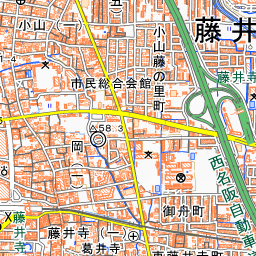
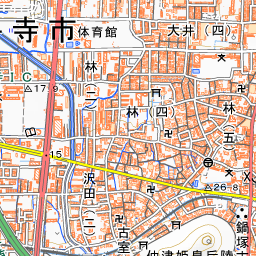
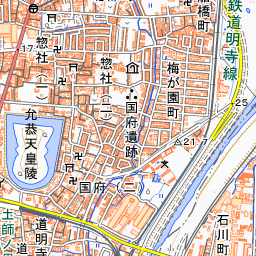
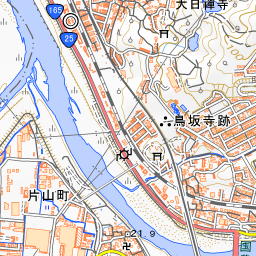
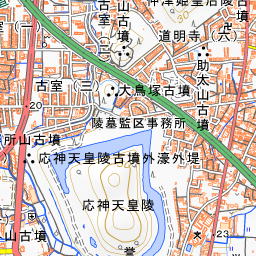
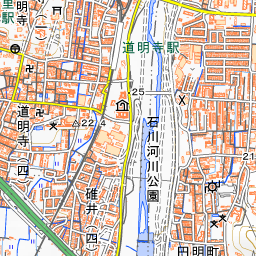
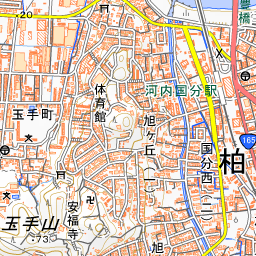
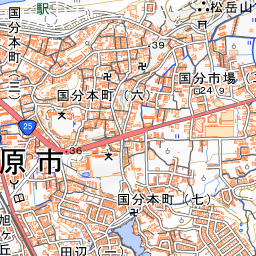
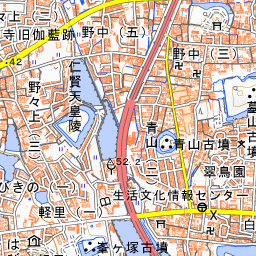
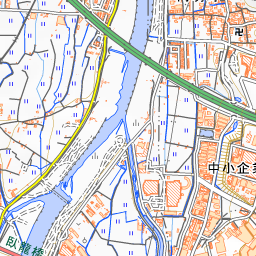
It is about a 7-minute walk from both Hajinosato Station and Domyoji Station on the Kintetsu Minami-Osaka Line. About 130 meters to the east is Domyoji Tenmangu Shrine, which enshrines Michizane, with a plum grove behind its main hall. Proceeding about 910 meters to the southwest will lead to the Kondagobyoyama Kofun Burial Mound, which is regarded as the mausoleum of Emperor Ojin.

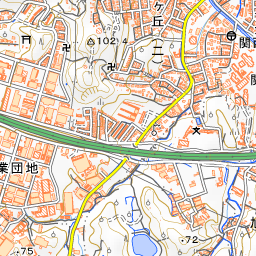
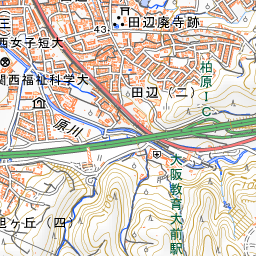
Spot location © OpenStreetMap contributors (ODbL)
Open in Google MapsGuides that include this spot (1)
Use asobot while you walk
- See where you are on the map and find spots nearby
- Listen to the guide's audio in course order, one after another (with subtitles)
- Walk to the next spot while following the map
Open on your phone
Scan to open this spot in asobot on your phone.