 ✨ AI Generated
Mimeguri-jinja Shrine
Japanese: 三囲神社
Sumida City, Tokyo
This information was written by AI and may contain mistakes. Please check official sources for opening hours, fees, and other details before you go.
Found a mistake? Let us know with “✏️ Something's wrong” on this spot's screen in asobot →
🎧 Audio guide(1:09)
In short
Mimeguri-jinja Shrine is located on the east bank of the Sumida River, near the embankment of Mukojima. Its name is said to originate from a legend in which a white fox circled around a sacred statue three times before disappearing, and since the Edo period, it has been revered as the guardian shrine of the Mitsui family.
- The Great Torii Gate Beneath the Embankment: A stone torii gate that has been cherished since the Edo period as a symbol of Bokutei, and has been depicted in paintings and literary works.
- The Mitsukoshi Lion Statue: A bronze lion statue that once stood in front of the Mitsukoshi Ikebukuro store, which closed in 2009, is located within the grounds.
- The Rainmaking Poem Monument: A stone monument inscribed with a poem composed by the haiku poet Takarai Kikaku, known as the "rainmaking poem" because rain fell the following day.
History and Highlights
Mimeguri-jinja Shrine is a shrine situated on the east bank of the Sumida River near the embankment of Mukojima, just across Kototoi-bashi Bridge from Asakusa. According to shrine tradition, it is said to have been founded during the era of Kobo Daishi, in the early Heian period. The enshrined deity is Ukanomitama-no-mikoto, and the shrine has also been known as "Mimeguri Inari."
The origin of the shrine's name comes from the following legend. During the Bunna era (1352–1356), a Buddhist monk from Miidera Temple in Omi Province found a dilapidated small shrine (hokora) at this location while on a pilgrimage and attempted to repair it. From the ground emerged an urn containing a sacred statue riding a white fox. It is said that a white fox appeared out of nowhere, circled the sacred statue three times, and disappeared.
During the Kyoho era, the Mitsui family designated Mimeguri-jinja Shrine as their guardian shrine in Edo. This was because Mukojima lay to the northeast—the direction known as the "demon gate" (kimon)—when viewed from the Mitsui family's headquarters in Edo Honcho. Furthermore, because the kanji character for "meguri" (囲) contains the character for "i" (井) found in Mitsui (三井), it was thought that "Mimeguri connects to Mitsui and protects Mitsui." Even today, the main store and branch stores of Mitsukoshi enshrine divided spirits from this shrine. The main sanctuary at the center of the grounds is a gongen-zukuri style hall believed to have been built in 1862 (Bunkyu 2).
Highlights of Appreciation and Experience
- The Great Torii Gate Beneath the Embankment: Located in the western part of the grounds, this Myojin-style stone torii gate has been called "The Great Torii Gate Beneath the Embankment" since the Edo period, serving as a symbol of Bokutei. From the opposite bank of the Sumida River, the Bokutei embankment, and passing boats, only the upper crossbeams (the shimaki and kasagi) of the torii can be seen. This view created a characteristic Mukojima scenery, which was depicted in paintings, literary works, and kabuki backdrops.
- The Lion Statue and the Three-Pillared Torii Gate: The bronze lion statue that once stood at the entrance of the Mitsukoshi Ikebukuro store, which closed in 2009, has been relocated to the shrine grounds. There is also a stone three-pillared torii gate (mihashira torii), accompanied by a notice on the grounds stating that it was "relocated from the Mitsui residence."
- Kikaku's Rainmaking Poem Monument: In 1693 (Genroku 6), when Edo suffered a severe drought, Takarai Kikaku, a leading disciple of Matsuo Basho, composed a poem on behalf of the people praying for rain: "Yudachi ya ta o mimeguri no kami naraba" (Evening shower! If you are the god who goes around watching over the fields...). It is said that rain fell the day after the poem was offered before the deity. The poem incorporates a pun linking "Mimeguri" with "mimeguri" (going around and looking over), as well as the three syllables "yu-ta-ka" (meaning abundance), expressing a prayer for a bountiful harvest.
Walking Tips
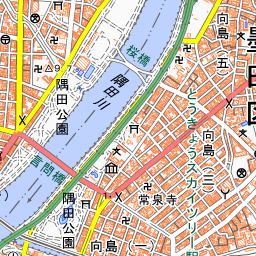
It is about a 10-minute walk from Exit A3 of Honjo-azumabashi Station on the Toei Asakusa Line. Mimeguri-jinja Shrine is one of the stops on the Sumida River Seven Lucky Gods pilgrimage, enshrining the deities Ebisu and Daikoku. Approximately 290 meters to the southwest is Ushijima-jinja Shrine, and about 1.3 kilometers to the northeast is Mukojima-Hyakkaen Gardens, which enshrines Fukurokuju of the Seven Lucky Gods.




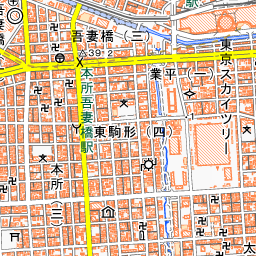
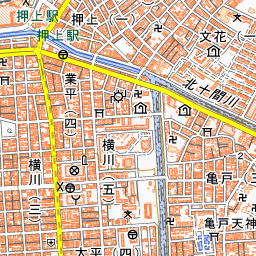

Spot location © OpenStreetMap contributors (ODbL)
Open in Google MapsGuides that include this spot (1)
Use asobot while you walk
- See where you are on the map and find spots nearby
- Listen to the guide's audio in course order, one after another (with subtitles)
- Walk to the next spot while following the map
Open on your phone
Scan to open this spot in asobot on your phone.