 ✨ AI Generated
Suitengu Shrine
Japanese: 水天宮
Chuo City, Tokyo
This information was written by AI and may contain mistakes. Please check official sources for opening hours, fees, and other details before you go.
Found a mistake? Let us know with “✏️ Something's wrong” on this spot's screen in asobot →
🎧 Audio guide(1:06)
In short
Suitengu Shrine is a Shinto shrine that has long been revered as a deity of safe childbirth and is also popularly worshipped for granting the blessing of children. It originated in 1818 when Arima Yorinori, lord of the Kurume Domain, welcomed a divided spirit from his home domain of Kurume to his upper residence in Edo. The shrine was moved to its present location in Nihonbashi Kakigaracho in the 5th year of the Meiji period (1872).
- Kodakara Inu: A statue of a mother dog gazing at her puppy. It is said that stroking your own zodiac sign among the twelve earthly branches surrounding it brings blessings.
- Misuzu Obi Safe Childbirth Amulet: The safe childbirth amulet of Suitengu Shrine is an actual sash made of bleached cotton (sarashi). A legend is associated with it, tracing its origin to an old bell cord used at the shrine.
- Vibrancy on the Day of the Dog: On the Day of the Dog, associated with dogs that have easy births, the shrine grounds become very lively with pregnant women and their families.
History and Highlights
Suitengu Shrine has long been revered as a deity of safe childbirth and is also worshipped by many people for its blessings in conceiving children. Its origins lie in the Kurume Domain in Kyushu, present-day Kurume City, Fukuoka Prefecture. In 1818, the 9th lord of the Kurume Domain, Arima Yorinori, enshrined a divided spirit from his home domain of Kurume within his upper residence in Shiba Akabanebashi so that he could pray even while in Edo during his sankin-kotai (alternate attendance). This was the beginning of Suitengu Shrine in Tokyo.
People constantly threw monetary offerings over the fence into the Suitengu Shrine inside the estate. Consequently, the domain lord opened the gates only on the 5th of every month, allowing the public to visit and worship. A pun combining the Arima family name with the word for "compassionate," "Nasake Arima no Suitengu," became a popular catchphrase among Edo commoners. Suitengu Shrine became deeply beloved by many Edo townspeople regardless of social status. It was moved to Aoyama in the 4th year of Meiji (1871), and in the following year, the 5th year of Meiji (1872), it moved to its current location in Nihonbashi Kakigaracho.
Four deities are enshrined here: Amenominakanushi no Okami, Emperor Antoku, Kenreimon-in, and Nii no Ama. As a commemorative project marking the 200th anniversary of its enshrinement in Edo, the current shrine pavilion was rebuilt over a period of about three years. It has been welcoming worshippers in this new shrine pavilion since April 2016. The pavilion is constructed in a shrine architecture style featuring plain unlacquered wood and incorporates seismic isolation technology.
Viewing and Experience Highlights
- Kodakara Inu: A statue of a mother dog gazing at her lovely puppy. It is surrounded by the twelve animals of the Chinese zodiac, and it is said that stroking the sign of your own birth year brings various blessings such as safe childbirth, conception, and the healthy growth of children.
- Anzan Kosodate Kappa: A statue of a kappa parent and children, with baby kappa clinging to the parent's feet, chest, and shoulder. Kappa are said to be the divine messengers of Suitengu Shrine, and there are also kappa good luck charms used for warding off evil.
- Misuzu Obi: Suitengu Shrine's amulet for safe childbirth is an actual sash of bleached cotton (sarashi). There is a legend that in the past, a pregnant woman who used an old suzu-no-o—a bleached cotton cord used to ring the shrine bell—as a belly band had an exceptionally easy delivery. As this reputation spread, the shrine began distributing bleached cotton sashes as amulets.
Walking Tips
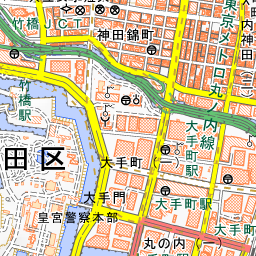
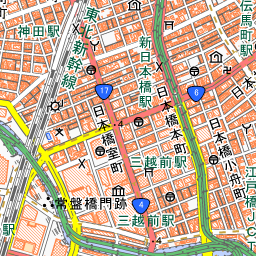
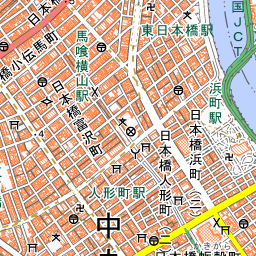
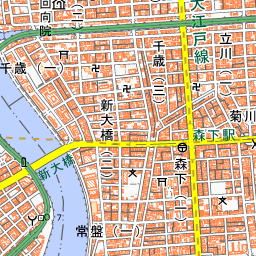
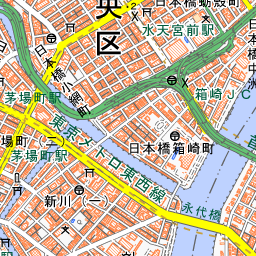
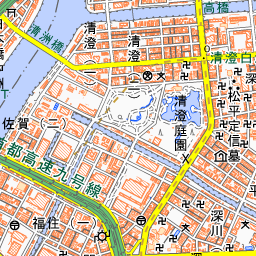
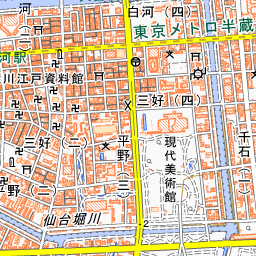
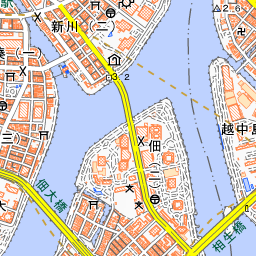
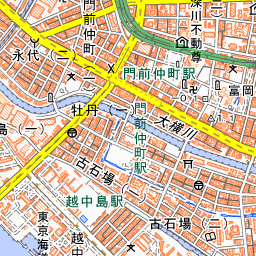
It is a 1-minute walk from Exit 5 of Suitengu-mae Station on the Tokyo Metro Hanzomon Line. A gentle slope leads from the waiting room to the main pavilion. You can look out over the shrine grounds through the large windows, so enjoy the view as you walk. The doors of Hosho Benzaiten on the grounds are opened on the 5th of every month and on the Day of the Snake, allowing visitors to view the sacred statue. Dogs are considered a symbol of safe childbirth because their deliveries are light and smooth, and safe childbirth prayers and belly-wrapping celebrations (obi-iwai) are typically held around the Day of the Dog in the fifth month of pregnancy. For this reason, the shrine grounds become very lively on the Day of the Dog. Ningyocho is about 160 meters to the northwest, Amazake Yokocho is about 290 meters to the north, and Koami-jinja Shrine is about 430 meters to the west.


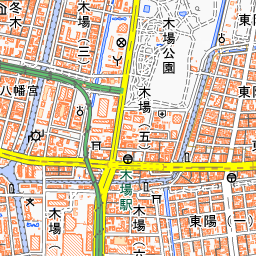
Spot location © OpenStreetMap contributors (ODbL)
Open in Google MapsGuides that include this spot (1)
Use asobot while you walk
- See where you are on the map and find spots nearby
- Listen to the guide's audio in course order, one after another (with subtitles)
- Walk to the next spot while following the map
Open on your phone
Scan to open this spot in asobot on your phone.